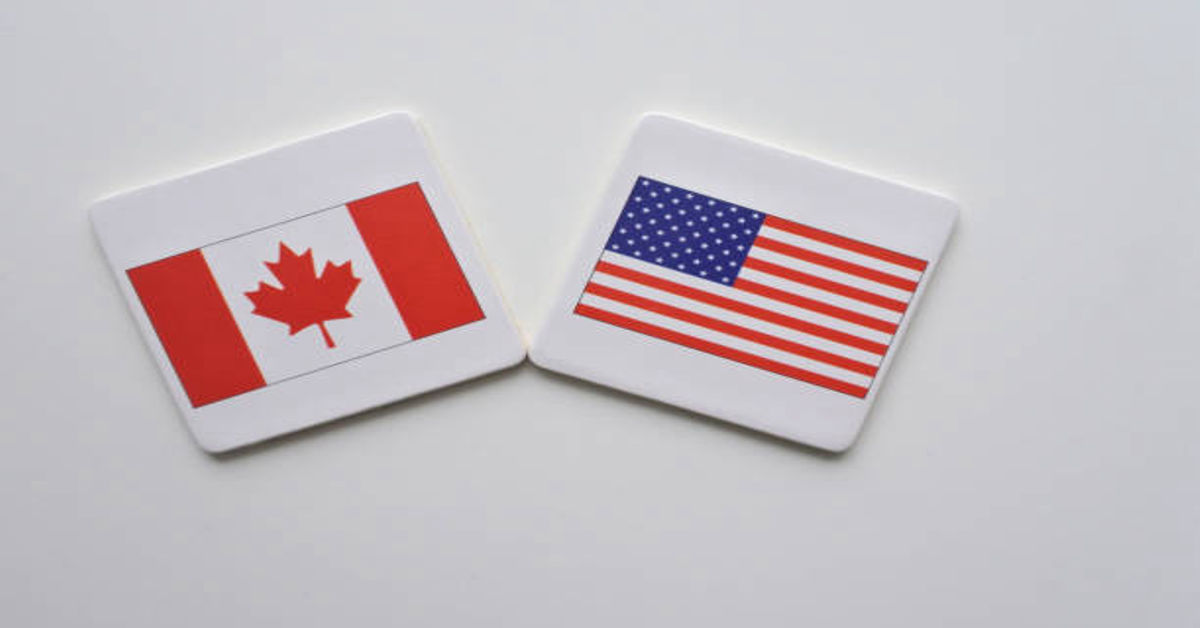
When discussing international politics and modern economics, few topics have captured as much public attention as the relationship between Donald Trump and Canada. The phrase “Trump Canada” represents not just a discussion of a single leader’s policies but a broader examination of how the United States and Canada—two of the most interconnected countries in the world—navigate change, tension, and cooperation.
Donald J. Trump, the 45th President of the United States (2017–2021), reshaped America’s domestic and international policy landscape in profound ways. His “America First” agenda sought to redefine the United States’ economic relationships, especially with its closest neighbors—Canada and Mexico. These policy shifts reverberated throughout North America, influencing trade agreements, cross-border cooperation, environmental policy, immigration laws, and defense partnerships.
The Trump–Canada relationship thus became a reflection of the challenges and realities of globalization: the tension between nationalism and internationalism, protectionism and free trade, and tradition versus transformation.
In this extensive article, we’ll explore every facet of the topic—political, economic, social, and historical—offering a comprehensive understanding of “Trump Canada” as both a term and a phenomenon.
Understanding the Historical Context: U.S.–Canada Relations Before Trump
To understand the Trump–Canada dynamic, one must first appreciate the deep historical foundation of the U.S.–Canada relationship. For over 150 years, these neighboring nations have shared the world’s longest undefended border and have been steadfast allies in defense, trade, and diplomacy.
The Canada–U.S. relationship has always been defined by mutual dependency. The U.S. is Canada’s largest trading partner, accounting for nearly three-quarters of its exports. Meanwhile, Canada provides the U.S. with essential natural resources, energy, and strategic support through defense alliances such as NORAD and NATO.
Prior to Trump’s presidency, both countries generally maintained cooperative relations despite occasional trade disputes (such as softwood lumber or dairy tariffs). The Obama-Trudeau era, for instance, emphasized environmental collaboration and shared global leadership. But when Trump entered the political stage in 2016, that partnership underwent a significant transformation.
Trump’s “America First” Policy and Its Impact on Canada
The foundation of Trump’s political ideology rested on economic nationalism—the idea that the United States should prioritize its own industries, workers, and borders above global cooperation. His “America First” agenda sought to renegotiate trade deals that he viewed as unfair or disadvantageous to American interests.
For Canada, this philosophy marked a shift in tone and policy. Trump’s administration challenged traditional diplomatic courtesies, pushing allies to renegotiate existing agreements and reconsider their economic dependencies on the U.S. While his rhetoric was often direct and controversial, his actions forced many countries, including Canada, to reevaluate their strategies.
Key areas of impact included:
- The renegotiation of NAFTA (North American Free Trade Agreement) into the USMCA (United States–Mexico–Canada Agreement).
- Tariffs on steel and aluminum, affecting Canadian manufacturers.
- New immigration and border security measures.
- Environmental and energy policy divergence.
- Shifts in military and defense cooperation.
Let’s explore these in greater detail.
Renegotiating NAFTA: The Birth of the USMCA
Perhaps the most defining moment in the Trump–Canada economic story was the renegotiation of NAFTA, a trade pact established in 1994 to promote free trade between the U.S., Canada, and Mexico. Trump argued that NAFTA was a “bad deal” for American workers and threatened to withdraw unless it was revised.
The result was the USMCA (United States–Mexico–Canada Agreement), signed in 2018 and enacted in 2020. This modernized version aimed to balance trade relations and introduce stricter rules of origin, especially for automobile manufacturing and agricultural goods.
| Aspect | NAFTA (1994) | USMCA (2020) | Impact on Canada |
|---|---|---|---|
| Automotive Industry | 62.5% regional content rule. | Increased to 75% North American content. | Encouraged domestic production but increased costs. |
| Dairy Market | Limited U.S. access to Canadian dairy. | Expanded access for U.S. dairy producers. | Pressure on Canadian farmers. |
| Digital Trade | Minimal provisions. | Introduced e-commerce and digital data protections. | Benefited Canadian tech firms. |
| Labor & Environment | Few enforcement tools. | Stronger labor and environmental standards. | Promoted fair working conditions. |
| Trade Stability | Permanent until withdrawn. | Sunset review every six years. | Introduced uncertainty but accountability. |
While Canada ultimately benefited from maintaining access to the U.S. market, the negotiation process exposed vulnerabilities in its economic dependency and highlighted Trump’s aggressive bargaining style.
Tariffs and Trade Tensions
Trump’s trade policies often centered around tariffs—taxes on imported goods designed to protect domestic industries. In 2018, his administration imposed 25% tariffs on steel and 10% on aluminum, citing national security concerns under Section 232 of the Trade Expansion Act.
Canada, being one of the top exporters of these materials to the U.S., viewed these tariffs as unfair and retaliated with its own countermeasures on American products like whiskey, ketchup, and motorboats.
| Category | U.S. Tariffs Imposed | Canadian Retaliation | Outcome |
|---|---|---|---|
| Steel/Aluminum | 25% / 10% respectively. | Tariffs on U.S. steel, aluminum, and consumer goods. | Temporary tension; resolved through negotiation. |
| Agricultural Goods | Threat of dairy tariffs. | None; Canada focused on maintaining supply management. | Dairy concessions made in USMCA. |
| Automotive Threats | Potential tariffs on Canadian cars. | Political lobbying prevented enforcement. | Avoided major economic crisis. |
These tariff battles were short-lived but signaled a new reality: even allies were not immune to the Trump administration’s trade enforcement.
Diplomatic Relations Between Trump and Trudeau
The personal relationship between Donald Trump and Canadian Prime Minister Justin Trudeau became a symbol of the broader policy clash between their two nations. Trudeau’s liberal, internationalist values contrasted sharply with Trump’s populist, nationalist stance.
Publicly, there were moments of tension—especially during the 2018 G7 Summit in Quebec, where Trump criticized Trudeau over trade disagreements and withdrew from the summit’s joint communiqué. However, both leaders also demonstrated pragmatic cooperation when necessary, particularly in ensuring the success of the USMCA and managing cross-border COVID-19 measures in 2020.
Despite political differences, the foundation of U.S.–Canada relations remained resilient, proving that strong institutional ties could endure even during periods of leadership contrast.
Energy and Environmental Policy Divergence
Another major area of contrast was energy and environmental policy. While Canada under Trudeau prioritized clean energy, carbon pricing, and climate commitments, Trump’s administration rolled back environmental regulations and withdrew the U.S. from the Paris Climate Agreement.
For Canada, this created a diplomatic dilemma. On one hand, the U.S. remained a key energy trading partner, particularly through oil pipelines like Keystone XL. On the other hand, Canada sought to maintain global leadership in environmental sustainability.
Trump’s approval of the Keystone XL pipeline in 2017 initially pleased Canadian energy producers. However, subsequent political battles and environmental opposition left the project’s future uncertain.
This divergence reflected a deeper philosophical difference:
- Trump viewed energy independence through economic self-interest and deregulation.
- Canada viewed it through environmental stewardship and sustainability.
Despite these differences, both countries continued energy trade, with oil, gas, and electricity forming a critical part of their economic interdependence.
Immigration and Border Policy
Trump’s strict immigration stance—characterized by tighter border controls, travel restrictions, and new visa regulations—had ripple effects in Canada as well. Many international students and skilled workers began viewing Canada as a more welcoming alternative destination, leading to an increase in migration northward.
Canada maintained its inclusive immigration system, which contrasted sharply with Trump’s enforcement-based approach. However, both nations worked together on border security, particularly concerning the Safe Third Country Agreement, which regulates asylum seekers crossing between the two countries.
The COVID-19 pandemic also brought unique cooperation. The U.S.–Canada border was temporarily closed to non-essential travel in 2020, marking one of the rare moments of restriction in their shared history. Still, essential trade and supply chains continued uninterrupted, underscoring the deep trust between the nations.
Military and Security Cooperation
Despite occasional rhetorical clashes, defense cooperation between the U.S. and Canada remained solid. Both countries continued their commitments through NATO and NORAD, jointly defending North American airspace and participating in global missions.
Trump’s criticism of NATO allies for not meeting defense spending targets caused mild friction, but Canada’s contributions to peacekeeping and intelligence sharing maintained goodwill. The enduring NORAD partnership highlighted the strategic interdependence of both nations in continental defense and counterterrorism.
Public Opinion and Cultural Perception
Public perception of Trump in Canada was complex. While his policies were often unpopular among Canadians, some admired his straightforward approach to negotiation and national interest. Canadian media frequently analyzed his leadership style, contrasting it with Trudeau’s diplomacy.
Polls during his presidency indicated that most Canadians preferred stable, multilateral relations. However, Trump’s actions did spur new debates in Canada about economic independence, national resilience, and the need to diversify trade beyond the U.S.
In essence, Trump’s presidency forced Canada to reflect on its own economic structure and global role.
Economic Outcomes for Canada During Trump’s Term
Despite the turbulence, Canada’s economy remained resilient during the Trump years. The renegotiation of NAFTA, while tense, ultimately preserved crucial market access. Moreover, sectors like digital trade, agriculture, and manufacturing adapted to new USMCA rules.
| Sector | Impact Under Trump Administration | Long-Term Outlook |
|---|---|---|
| Manufacturing | Adjusted to new USMCA content rules; moderate recovery post-tariffs. | Stronger regional supply chains. |
| Agriculture | Mixed results; dairy concessions but improved grain trade. | Sustainable but competitive. |
| Energy | Supported by U.S. fossil fuel expansion. | Growth potential tied to U.S. demand. |
| Technology | Benefited from digital trade protections. | Strong cross-border innovation. |
| Tourism | Declined temporarily due to border restrictions. | Recovery expected post-2021. |
Overall, while Trump’s tenure caused short-term uncertainty, it also encouraged Canadian innovation and economic diversification.
The Broader North American Vision
One overlooked result of Trump’s policies was the reinforcement of North American interdependence. The USMCA created stronger regional ties, compelling all three nations—U.S., Canada, and Mexico—to modernize their supply chains and labor policies.
Although the Trump era introduced conflict, it also led to long-term cooperation mechanisms that continue to shape North American competitiveness in the global economy.
Post-Trump Relations: Canada and the United States Moving Forward
Since 2021, the Biden administration has sought to restore traditional diplomacy, yet many Trump-era changes remain embedded in trade and security frameworks. Canada continues to adapt to these shifts while maintaining strong ties with Washington.
The “Trump Canada” legacy persists as a reminder that even between allies, national interests can diverge sharply. However, it also proved that mature democracies can navigate tension through negotiation, respect, and resilience.
Conclusion
The term “Trump Canada” encapsulates more than just a period of U.S.–Canadian history—it symbolizes a pivotal moment when both countries were tested in diplomacy, economy, and identity. Trump’s tenure redefined trade relationships, challenged assumptions about alliances, and forced Canada to assert its independence while maintaining cooperation.
In the end, the U.S.–Canada partnership emerged not weaker, but more aware of its complexities. It demonstrated that even amid political storms, shared geography, culture, and mutual respect can sustain one of the world’s most enduring alliances.
FAQs
1. What does “Trump Canada” refer to?
“Trump Canada” refers to the political, economic, and diplomatic relationship between Donald Trump’s U.S. administration and the Canadian government.
2. How did Trump’s trade policies affect Canada?
His “America First” approach led to renegotiating NAFTA into USMCA, affecting industries like automotive, dairy, and manufacturing.
3. Did Canada benefit from the USMCA?
Yes, while negotiations were tense, Canada preserved market access and gained stronger digital trade protections.
4. Were U.S.–Canada relations damaged during Trump’s presidency?
Relations were strained but not broken; trade and defense cooperation continued through structured diplomacy.
5. How did Trump’s environmental stance differ from Canada’s?
Trump prioritized deregulation and fossil fuels, while Canada focused on carbon reduction and green energy development.