A good Mexico City itinerary doesn’t fit into a weekend, and it will humble anyone who tries to “do” it in a day and a half. It’s a metro area of more than 20 million people sitting at 2,240 meters above sea level, sprawled across neighborhoods that each feel like their own small city. The good news: you don’t need weeks. You need a plan that matches your actual time, and a realistic sense of what to skip.
Quick answer: Most first-time visitors should plan 3 to 5 days in Mexico City. Three days covers the essentials — Centro Histórico, Frida Kahlo’s Casa Azul, and a Teotihuacán day trip. Five days lets you add Xochimilco, Polanco’s museums, and enough downtime to actually enjoy the food without rushing between metro stops.
I’ve pulled together a trip plan below that works whether you have a long weekend or a full workweek off. Stick with me through the practical stuff too — where to base yourself, what things cost, and the altitude issue nobody mentions until you’re gasping on your first flight of stairs.
Mexico City Itinerary: How Many Days Do You Actually Need?
Three days is the minimum for a satisfying first visit. Any shorter and you’ll spend more time in transit than in front of anything worth seeing. Five days is the sweet spot if you want to add Xochimilco or a day trip beyond Teotihuacán without feeling rushed.
A quick gut-check on timing: cooler months (November through February) run mild but occasionally chilly at night, so pack a light jacket. The rainy season stretches from roughly May through October, usually as short afternoon downpours rather than washed-out days. If your dates are flexible, March through May tends to bring the best mix of sunshine and lighter crowds — though if you’re chasing culture over comfort, nothing beats being in the city for Día de los Muertos (Day of the Dead), which runs October 31 through November 2nd, when altars, parades, and marigold-covered streets take over entire neighborhoods.
One planning detail that trips people up: several major sights, including the Frida Kahlo Museum, Templo Mayor, and Chapultepec Castle, are closed on Mondays. If your trip includes a Monday, build your itinerary around that closure rather than discovering it at the ticket counter.
Mexico City Itinerary Basics: Where to Stay (Neighborhood Breakdown)
Where you sleep shapes the whole trip, since Mexico City is too spread out to treat as one walkable unit. Here’s how the main options stack up:
| Neighborhood | Vibe | Best For | Downside |
|---|---|---|---|
| Roma Norte | Trendy, dense with restaurants and bars | First-timers who want to walk to dinner | Pricier, very touristy |
| La Condesa | Leafy, Art Deco, calmer at night | Couples, quieter stays near Chapultepec | Slightly less nightlife than Roma |
| Polanco | Upscale, museums, luxury shopping | Travelers wanting five-star comfort | Further from Centro/Zócalo |
| Centro Histórico | Historic core, right by the Zócalo | History-focused first visits | Feels quiet and less safe after dark |
| Coyoacán | Colonial, artsy, residential | Slower-paced stays, Frida Kahlo fans | Farther from downtown nightlife |
If it’s your first trip, Roma Norte or La Condesa are the easiest bases — both put you within a short Uber ride of nearly everything on this itinerary. Centro Histórico works well if history is your priority and you don’t mind a quieter, less lively evening scene once the shops close.
The 3-Day Mexico City Itinerary
Day 1: Centro Histórico and the Historic Core
Start at the Zócalo (Plaza de la Constitución), one of the largest city squares in the world and the historic heart of the Aztec capital of Tenochtitlán. The Metropolitan Cathedral and Templo Mayor ruins sit right beside it — the temple complex is a genuine reminder that this square was built directly on top of an Aztec ceremonial center.
Walk to the Palacio Nacional to see Diego Rivera’s murals depicting Mexico’s history, then continue down the pedestrian Avenida Francisco I. Madero toward the Palacio de Bellas Artes, a marble concert hall with murals by Rivera, Orozco, and Siqueiros inside. For lunch, look for a spot serving tortilla soup or mole — Azul Histórico, set in a 17th-century courtyard, is a popular choice near the Zócalo.
In the late afternoon, head up Torre Latinoamericana for a panoramic view over the city as the sun sets. Close the night with tacos al pastor or a quiet cantina — Centro has some of the city’s most traditional pulque bars if you want a genuinely local nightcap.
Quick takeaway: Day 1 is walkable end-to-end. Wear comfortable shoes and expect crowds around the Zócalo, especially on weekends.
Day 2: Coyoacán and Frida Kahlo
Take the metro or an Uber south to Coyoacán, a colonial village-turned-neighborhood that’s kept its own identity despite the city growing around it. The main draw is Museo Frida Kahlo (Casa Azul) — Kahlo’s childhood home, later shared with Diego Rivera, now filled with her personal belongings and artwork. Book tickets online well in advance; this is consistently one of the hardest sights in the city to walk into same-day.
Afterward, wander Plaza Hidalgo and Jardín Centenario, then grab lunch at Mercado Coyoacán — tostadas and fresh juice from the market stalls are a local staple. If you have energy left, add an afternoon trajinera ride through the Xochimilco canals: flat-bottomed, brightly painted boats drift past mariachi bands and food vendors on the water. It’s touristy, and some visitors find it overrated for a solo trip, but it’s genuinely fun with a group.
End the evening back in Roma or Condesa for dinner — this is a good night to try a cocktail bar like Licorería Limantour, regularly ranked among the world’s best.
Day 3: Teotihuacán Day Trip
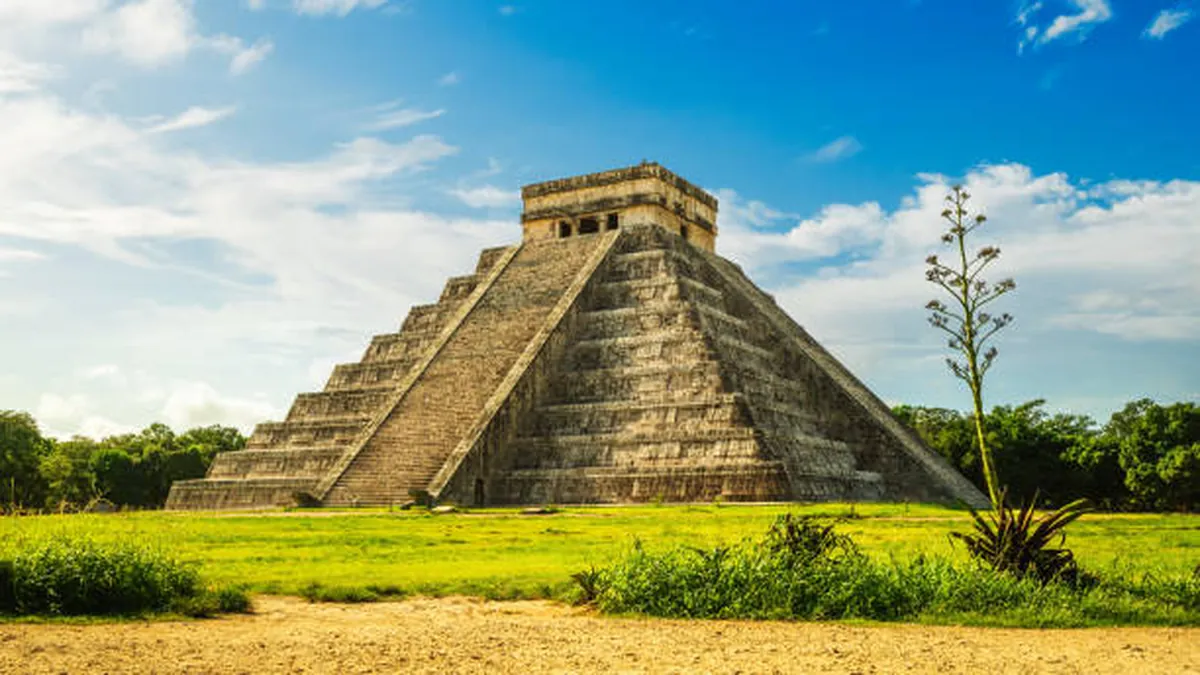
Set aside your final day for Teotihuacán, an ancient Mesoamerican city about 30 miles (roughly an hour’s drive) northeast of the capital. Construction began around 300 BC, and the site once supported a population of some 150,000 — making it the largest pre-Columbian city in the Americas at its peak. Leave before 7am if you’re driving yourself or taking a rideshare; traffic gets punishing after that.
Walk the Avenue of the Dead between the Pyramid of the Sun and Pyramid of the Moon. Note that climbing the pyramids is no longer permitted, but the scale of the site is impressive even from ground level. Many tours now pair the visit with an early hot-air balloon flight over the valley for sunrise views before the ruins open.
Back in the city by early evening, catch a lucha libre match at Arena México for a completely different kind of spectacle — masked wrestlers, dramatic entrances, and a crowd that’s as entertaining as the match itself.
Extending Your Mexico City Itinerary to 5 Days: What to Add
If you’ve got two extra days, don’t just add more museums — spread the pace out. Use Day 4 for Polanco: the Museo Soumaya and Museo Jumex are both excellent for contemporary and pre-Hispanic art, and the neighborhood’s restaurant scene is some of the best in the city. Finish the day with a slow walk through Chapultepec Park, one of the largest urban parks in the Western Hemisphere, and tour Chapultepec Castle if it’s not a Monday.
Save Day 5 for either a second day trip (Puebla, about two hours away, is known for mole poblano and colonial architecture, with the Pueblo Mágico town of Cholula six miles further) or simply a slower day back in Roma/Condesa — browsing bookstores, hitting a food market, and not rushing anywhere. After four days of museums and ruins, this kind of buffer day is what actually makes a five-day trip feel relaxed instead of exhausting.
Getting Around on Your Mexico City Itinerary — and Staying Safe
For short hops within a neighborhood, walking is genuinely pleasant — wide sidewalks, tree cover, and constant street life. For longer distances, Uber is the easiest option for first-timers, especially at night or with luggage. The Metro is fast and costs next to nothing, but it gets extremely crowded at rush hour, so keep bags zipped and in front of you. The Metrobus is a solid middle option for above-ground routes along major avenues.
Budget more travel time than Google Maps suggests — Mexico City traffic can double an estimated drive time without warning.
On safety: the main tourist corridors — Centro Histórico, Roma Norte, Condesa, Polanco, and Coyoacán — are well-traveled and generally safe for visitors, day or night in most cases. Centro is the one exception worth flagging: it’s lively and safe during the day but quieter and less comfortable after dark once shops close. Areas like Iztapalapa, Tepito, and Doctores aren’t part of any typical tourist itinerary and are best avoided. The bigger day-to-day risk for most visitors isn’t dramatic crime — it’s pickpocketing on crowded transit and the usual big-city carelessness with phones and wallets.
What a Mexico City Itinerary Actually Costs (Budget Breakdown)
Mexico City is affordable relative to most major capitals, but costs swing hard depending on where you stay and how you eat.
| Category | Budget | Mid-Range |
|---|---|---|
| Hotel (per night) | $40–70 | $100–200 |
| Meals (per day) | $15–25 | $40–70 |
| Local transport (per day) | $3–8 | $15–25 |
| Museum/attraction entry | $5–15 each | $10–25 each |
| Teotihuacán day trip | $15–30 (self-guided) | $60–100 (guided tour) |
A couple traveling mid-range for five days should budget somewhere in the $1,500–2,200 range total, excluding international flights — though it’s entirely possible to do it cheaper by eating at markets and using public transit over rideshares.
Mexico City Itinerary Tips: Altitude, Air Quality, and Other Things Nobody Warns You About
Mexico City sits at 2,240 meters (about 7,350 feet), noticeably higher than most first-time visitors expect. It’s common to feel a bit winded on stairs or slightly light-headed on your first day — nothing serious for most travelers, but worth pacing yourself for, especially if you’re also managing jet lag. Hydrate more than usual and avoid scheduling anything strenuous, like a big hike, on day one.
Air quality can also be an issue, particularly because the thinner air at altitude changes how pollutants behave. It’s rarely bad enough to disrupt a short trip, but if you have respiratory sensitivities, check the day’s air quality index and keep a mask handy just in case. The clearer months tend to fall between September and December, after the rainy season has washed out more of the smog.
On connectivity: pick up a local SIM or eSIM on arrival — SIM cards are inexpensive (roughly $1–6 USD) and widely available at the airport or any OXXO convenience store, and having reliable data makes navigating rideshares and translation apps far easier.
Best Day Trips From Mexico City
- Teotihuacán (1 hour): Ancient pyramids, UNESCO World Heritage Site, ideal for a half or full day.
- Puebla (2 hours): Colonial architecture, mole poblano, and a relaxed pace — good for a full day or overnight.
- Cholula (2 hours, near Puebla): Famous for its many churches and status as a Pueblo Mágico.
- Tepoztlán (2 hours): Mountain town with a 16th-century monastery and a hike up to El Tepozteco pyramid.
- Xochimilco (45–60 minutes, technically within city limits): Canal boat rides, best enjoyed with a group at sunset.
If you have more than five days, any one of these makes a natural addition without disrupting the core city itinerary above.
Planning Your Mexico City Itinerary
A well-paced Mexico City itinerary comes down to matching your days to what actually matters to you — history and food in Centro, art and calm in Coyoacán or Polanco, and one non-negotiable day trip to Teotihuacán. Book the Frida Kahlo Museum and any Teotihuacán tour before you land, choose a base in Roma Norte or Condesa if you’re unsure, and leave one buffer day if your trip stretches past three.
Start narrowing down your hotel and tour bookings now — the Frida Kahlo Museum and popular Teotihuacán balloon tours sell out days in advance, especially around Day of the Dead.
Find more trip-planning inspiration in our library of travel guides.
FAQ Section
How many days do you need in Mexico City?
Three days covers the essential sights — Centro Histórico, the Frida Kahlo Museum, and Teotihuacán. Five days lets you add Xochimilco, Polanco’s museums, and a slower pace without cutting corners on any of the highlights.
Is Mexico City safe for tourists?
Yes, in the main tourist areas — Centro Histórico, Roma Norte, Condesa, Polanco, and Coyoacán. The main risks are pickpocketing on crowded transit rather than violent crime, and Centro is best visited in daylight rather than late at night.
What is the best neighborhood to stay in for a first visit?
Roma Norte or La Condesa are the easiest first-time bases — walkable, central, and close to most of the itinerary above. Polanco suits travelers wanting luxury, while Centro Histórico suits those prioritizing history over nightlife.
Do I need a car in Mexico City?
No — a car adds stress rather than convenience. Uber, the Metro, and walking cover nearly everything on a typical itinerary, and traffic makes self-driving impractical for short trips.
Is Teotihuacán worth the day trip?
Yes. It’s roughly an hour from the city, and the scale of the pyramids and Avenue of the Dead is hard to appreciate from photos alone. Leave early to beat both the heat and the traffic.
What’s the best time of year to visit?
March through May offers the best mix of mild weather and lighter rain, though visiting during Day of the Dead (late October–early November) offers a cultural experience many travelers rate as the highlight of their trip.
Do I need to speak Spanish?
No. Basic phrases help and are appreciated, but English is common enough in tourist areas, and translation apps cover the rest.
Will the altitude affect me?
Possibly — mild breathlessness or light-headedness on day one is common at 2,240 meters. Hydrate well, pace your first day, and avoid strenuous activity until you’ve adjusted.