
Category: Lifestyle

  • Ilkal: Tradition, Heritage, and the Loom of Karnataka

    Ilkal: Tradition, Heritage, and the Loom of Karnataka

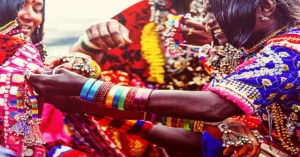
    India is a land of textiles where each region narrates its unique story through fabrics, motifs, and weaving styles. Among these, the Ilkal saree from Karnataka holds a distinguished place. Known for its bold patterns, rich colors, and unique weaving techniques, Ilkal sarees are not just garments but cultural markers of identity, tradition, and craftsmanship. The weaving tradition of it reflects the seamless blend of history, community livelihood, and sustainable craftsmanship. For centuries, the saree has been worn by women across Karnataka, Maharashtra, and parts of Andhra Pradesh, symbolizing elegance and regional pride.

    In this article, we will explore the origin, weaving process, symbolism, socio-economic role, and future of Ilkal sarees, while also highlighting their importance in the broader canvas of Indian textiles.

    Origin and Historical Background of Ilkal

    The town of Ilkal, situated in the Bagalkot district of Karnataka, is the birthplace of this weaving tradition. The art of weaving sarees here is believed to have flourished over 1,200 years ago, with historical references connecting it to the reign of the Chalukya dynasty. Itโ€™s strategic location at the cultural crossroads of Karnataka, Maharashtra, and Andhra Pradesh facilitated the exchange of weaving styles and techniques.

    Cultural Significance in History

    • Ilkal sarees became an integral part of local ceremonies, religious rituals, and social life.
    • The sarees were traditionally woven with natural dyes derived from plants, roots, and minerals, making them eco-friendly.
    • Women considered sarees a part of their bridal trousseau, and gifting an Ilkal was a mark of respect and affection.

    Distinctive Features of Ilkal Sarees

    Ilkal sarees are distinct in their look and construction. Unlike many handlooms where the entire fabric is woven as a single piece, sarees involve a unique joining technique where the pallu (end piece) is woven separately and then attached to the body with precision. This technique, known as โ€œTope Teniโ€, is the hallmark of sarees.

    Main Characteristics

    FeatureDetails
    FabricTraditionally cotton, silk, or a blend of both
    ColorsRich reds, purples, greens, yellows, and blues dominate
    DesignsGeometric patterns, temple borders, and motifs like checks and stripes
    Pallu (Anchu)Bold designs often with red as the base, showcasing durability and vibrancy
    Length & WidthStandard 6 to 9 yards, with broader borders
    Techniqueโ€œTope Teniโ€ for joining body and pallu, unique to Ilkal

    The Weaving Process of Sarees

    Weaving an saree is a labor-intensive process requiring skill, patience, and attention to detail. Each saree can take a few days to several weeks depending on the intricacy of the design and material used.

    Step-by-Step Weaving

    1. Yarn Preparation
      Cotton or silk yarn is first cleaned, dyed, and starched to add strength. The dyeing process, once entirely natural, now also involves chemical dyes for vibrancy.
    2. Warping and Setting the Loom
      The warp is prepared with precise measurement, ensuring evenness across the saree length. Ilkal looms are often pit looms or frame looms.
    3. Body Weaving
      The main portion of the saree is woven with checks, stripes, or plain solid colors. Cotton is often used for comfort and durability.
    4. Pallu Weaving (Anchu)
      The pallu is woven separately with silk or cotton, featuring bold motifs and temple-style patterns.
    5. Joining by Tope Teni
      This ingenious method involves interlocking the pallu with the body at the loom itself, without visible stitches, ensuring strength and continuity.
    6. Finishing
      The saree is washed, dried, and ironed before being sold in local markets or to traders.

    Symbolism in Colors and Motifs

    Ilkal sarees are more than just textiles; they carry deep cultural meanings through their colors and motifs.

    • Red: Symbolizes fertility, auspiciousness, and marriage.
    • Green: Denotes life, nature, and prosperity.
    • Yellow: Associated with sanctity, festivals, and religious rituals.
    • Checks and Stripes: Represent order, symmetry, and balance.
    • Temple Borders: Symbolic of divinity, faith, and community life.

    These motifs and colors have ensured the sareeโ€™s relevance in weddings, religious ceremonies, and cultural festivals for generations.

    Types of Ilkal Sarees

    Over the centuries, sarees have evolved into different types depending on the material, border style, and motifs.

    TypeDescription
    Cotton IlkalLightweight, ideal for daily wear, especially in hot climates
    Silk IlkalLuxurious, heavy pallu, used in weddings and special occasions
    Cotton-Silk BlendPractical balance of comfort and elegance
    Traditional Red IlkalPredominantly red base, often gifted during auspicious ceremonies
    Temple Border IlkalIntricate borders symbolizing heritage and rituals

    Socio-Economic Importance

    Ilkal saree weaving is not just an art form but also a livelihood for thousands of families. Entire households are engaged in this process, from spinning to dyeing and weaving.

    • Employment Generation: Weaving provides jobs to men, women, and artisans in rural Karnataka.
    • Women Empowerment: Many women play active roles in the weaving process, contributing significantly to household income.
    • Market Reach: Sarees are sold across Karnataka, Maharashtra, Andhra Pradesh, and increasingly in global markets.
    • Challenges: Decline in traditional demand, competition from machine-made textiles, and fluctuating raw material costs.

    Government and Institutional Support

    Recognizing the cultural and economic value of sarees, the Government of India granted Geographical Indication (GI) status to sarees, protecting their authenticity and heritage. Cooperative societies and self-help groups have also played an important role in reviving the weaving community by providing:

    • Access to modern dyeing facilities.
    • Training programs for younger generations.
    • Market linkages through exhibitions and fairs.
    • Digital platforms for online sales.

    Sustainability and Eco-Friendly Practices

    With growing awareness of sustainable fashion, sarees are regaining prominence. Their cotton and silk bases are biodegradable, and many weavers are returning to natural dyeing methods to reduce chemical usage. Sustainable weaving not only preserves the environment but also enhances the sareeโ€™s cultural value.

    Future of Ilkal Sarees

    The future of Ilkal sarees depends on balancing tradition with innovation. While authenticity must be preserved, new color combinations, lighter fabrics, and modern marketing strategies can help sarees capture younger audiences. Collaborations with designers, e-commerce platforms, and branding initiatives can ensure this centuries-old craft thrives in the global textile industry.

    Conclusion

    The Ilkal saree is more than a woven garment; it is a living tradition of Karnataka that carries centuries of artistry, community heritage, and cultural values. Its distinct weaving technique, vibrant symbolism, and enduring elegance ensure it remains relevant in both traditional and modern contexts. Preserving sarees is not just about sustaining a textile but also about safeguarding the livelihood of artisans and celebrating Indiaโ€™s diverse cultural tapestry.

    ALSO READ: Assamese BF: A Comprehensive Insight into Love, Culture, and Modern Relationships

    Frequently Asked Questions (FAQs)

    1. What is unique about Ilkal sarees compared to other sarees?
    Ilkal sarees are distinct for their Tope Teni technique, where the body and pallu are woven separately and joined seamlessly.

    2. Which materials are used in weaving Ilkal sarees?
    They are traditionally woven in cotton, silk, or a cotton-silk blend depending on the purpose and occasion.

    3. Where are Ilkal sarees mainly produced?
    They originate from the town of Ilkal in Karnatakaโ€™s Bagalkot district, with weaving spread across surrounding villages.

    4. Are Ilkal sarees suitable for everyday wear?
    Yes, cotton sarees are lightweight and breathable, making them perfect for daily wear in hot climates.

    5. How can one identify an authentic Ilkal saree?
    Authentic Ilkal sarees carry the GI tag, showcase the unique Tope Teni joining, and often feature bold temple borders.

  • Assamese BF: A Comprehensive Insight into Love, Culture, and Modern Relationships

    Assamese BF: A Comprehensive Insight into Love, Culture, and Modern Relationships

    When we use the term Assamese BF (Assamese Boyfriend), it often carries far more meaning than just a romantic label. It reflects a blend of cultural heritage, youthful aspirations, lifestyle practices, and social behaviors shaped by Assamโ€™s rich history and modern evolution. To understand the essence of an Assamese boyfriend, one must look deeper into Assamโ€™s traditions, the mindset of Assamese youth, the values instilled by families, and the evolving landscape of modern relationships in northeastern India. This article takes you through every dimension of this fascinating subject, offering detailed perspectives, comparative tables, cultural nuances, and social insights.

    Understanding the Assamese Identity

    Before delving into the concept of an Assamese BF, it is important to recognize the broader cultural identity of the Assamese people. Assam, located in the northeastern part of India, is renowned for its tea plantations, silk (especially Muga silk), the mighty Brahmaputra River, Bihu festivals, and its diverse ethnic mosaic. Assamese culture is known for its simplicity, warmth, and hospitality, and these qualities naturally extend into relationships.

    An Assamese boyfriend, therefore, is not merely a romantic partner but also a cultural ambassador who carries traditions in his behavior and outlook. The way he interacts, dresses, socializes, and expresses emotions is often influenced by Assamese ethos.

    Characteristics of an Assamese BF

    The Assamese boyfriend is often described as someone who embodies a mixture of traditional values and modern sensibilities. Below are some defining traits:

    1. Respect for Culture: He is generally aware of his roots, participates in festivals like Bihu, and respects traditional norms.
    2. Politeness and Simplicity: Assamese men are often praised for being humble and approachable.
    3. Love for Nature: Growing up around tea gardens, hills, and rivers, they often carry a deep connection with nature.
    4. Modern Yet Grounded: Exposure to urban centers like Guwahati and Shillong has made many Assamese youth cosmopolitan in outlook, yet they retain a connection to their hometown traditions.
    5. Supportive in Relationships: They usually value emotional bonding over materialistic displays.

    Lifestyle of an Assamese BF

    Lifestyle is one of the key factors that shape the identity of an Assamese boyfriend. Whether he belongs to an urban family in Guwahati or a small tea-town, his daily habits and interests reflect both local customs and global influences.

    Lifestyle AspectTypical Assamese BF Characteristics
    FashionMix of casual jeans, t-shirts, and ethnic wear during festivals; love for gamusa as a cultural symbol
    Food HabitsEnjoys rice-based meals, fish curry, pitha, and traditional meat dishes; values homemade food
    Music & ArtsDeep love for Bihu songs, modern Assamese music, Bollywood, and sometimes Western rock influences
    HobbiesPlaying football, cricket, traveling to hills, participating in cultural programs, and photography
    Social MediaActive on Instagram, Facebook, and WhatsApp; shares Assamese memes, music, and travel moments

    Cultural Influence on Relationships

    The Assamese boyfriend is shaped strongly by the culture he belongs to. For instance, Assamese families place a high value on modesty, respect for elders, and maintaining balance between tradition and modernity. Thus, when in a relationship, many Assamese boyfriends prefer long-term bonding over casual flings.

    Festivals like Rongali Bihu and Magh Bihu often provide opportunities for couples to celebrate together. It is common for boyfriends to gift their partners traditional items like mekhela sador or handwoven gamusas. The cultural pride reflected in such gestures makes the Assamese BF stand out as a partner who balances romance with heritage.

    Communication Style in Assamese Relationships

    An Assamese boyfriend often communicates with warmth but avoids excessive flamboyance. Politeness is highly valued in Assamese society, and this reflects in romantic communication as well. Instead of dramatic proposals or overt displays of affection, subtle gestures like helping, being attentive, or remembering small details about a partnerโ€™s likes and dislikes are common.

    This understated style of affection makes relationships feel genuine and emotionally rich rather than superficial.

    The Role of Education and Career

    Education plays a significant role in shaping the mindset of Assamese youth. Assam has institutions like Gauhati University, Assam Engineering College, and Tezpur University, which have produced well-educated young professionals. Many Assamese boyfriends are pursuing careers in IT, education, media, or even traditional fields like agriculture and tea business.

    This diversity in professional life influences their perspectives on relationships. For instance:

    • Urban professionals may have a more cosmopolitan approach, valuing equality and modern lifestyle choices.
    • Traditional career paths often encourage stability, where boyfriends may focus on financial security before settling into marriage.

    Challenges in Modern Assamese Relationships

    Every cultural context comes with its own relationship challenges. For Assamese boyfriends, these may include:

    1. Balancing Tradition and Modernity: While being open to modern dating culture, they often have to respect traditional family expectations.
    2. Distance Relationships: Many Assamese youths migrate to cities like Delhi, Bangalore, or Mumbai for education and jobs, leading to long-distance struggles.
    3. Social Conservatism: Public displays of affection are less accepted, which may restrict couples in expressing themselves freely.
    4. Economic Pressures: Some families prioritize financial stability, which can delay or complicate marriage plans.

    Assamese BF vs Boyfriends from Other Cultures

    To understand what makes an Assamese boyfriend unique, it helps to compare him with boyfriends from other parts of India.

    FeatureAssamese BFNorth Indian BFSouth Indian BFWesternized Urban BF
    Cultural AttachmentDeep respect for Assamese traditionsStrong family and cultural tiesStrong attachment to regional traditionsOften less rooted in specific traditions
    Romantic StyleSubtle, genuine, supportiveExpressive, sometimes flamboyantRespectful, reservedBold, highly expressive
    Lifestyle ChoicesNature-loving, balanced, culturalFashion-forward, socially activeTraditional, discipline-orientedCosmopolitan, global lifestyle
    Family RoleFamily opinions hold strong weightHighly family-influencedFamily often central in decisionsMore independence from family norms

    Symbolism in Assamese Relationships

    Certain cultural objects play symbolic roles in Assamese relationships:

    • Gamusa: Often gifted by boyfriends to girlfriends as a token of love and respect.
    • Bihu Dance: Participating together in Bihu festivities can symbolize unity and joy.
    • Mekhela Sador: Sometimes gifted by a boyfriend during special occasions, representing honor and admiration.

    These symbols highlight the blend of culture and romance in Assamese youth relationships.

    Modern Representation in Media

    Assamese movies, music albums, and web content increasingly depict boyfriends as modern, fun-loving, yet culturally conscious. Social media influencers from Assam often present an authentic picture of modern Assamese couples, showcasing how traditions blend with Instagram-era romance.

    This representation also impacts how Assamese youth perceive relationships, encouraging them to embrace cultural pride while staying modern.

    Healthy Relationship Practices by Assamese BFs

    One of the healthiest aspects of Assamese boyfriends is their approach to balance. Many value open conversation, respect individuality, and avoid unnecessary dominance. This makes relationships healthier and more sustainable.

    • Respect for Partnerโ€™s Freedom: They often encourage educational and career pursuits of their partners.
    • Shared Cultural Celebrations: Joint participation in cultural rituals creates deeper bonding.
    • Emotional Support: Being attentive and emotionally available is often prioritized over materialistic show-offs.

    Future of Relationships in Assam

    With globalization and digital platforms influencing youth, Assamese boyfriends are becoming more adaptable. They now balance local traditions with modern dating culture. This duality makes relationships dynamic yet stable, offering partners both emotional intimacy and cultural richness.

    ALSO READ: HDHub4u: A Complete Informative Guide

    FAQs

    1. What makes an Assamese BF unique compared to others?
    An Assamese boyfriend stands out because of his cultural grounding, humble lifestyle, love for nature, and respectful approach to relationships.

    2. Do Assamese boyfriends follow traditional dating norms?
    Yes, while many adopt modern dating practices, they usually respect family traditions and cultural values during relationships.

    3. How do Assamese BFs express love?
    They express affection through subtle gestures, shared cultural activities, gifting traditional items, and offering consistent emotional support.

    4. Are Assamese boyfriends open to long-distance relationships?
    Many are, since career and education often take them outside Assam. They usually maintain connections through patience and digital communication.

    5. What role does culture play in Assamese relationships?
    Culture plays a central role, influencing gestures of love, family acceptance, festival celebrations, and symbolic exchanges in relationships.

  • Mata Mato: A Comprehensive Exploration

    Mata Mato: A Comprehensive Exploration

    The phrase Mata Mato has often been discussed in multiple contextsโ€”spiritual, cultural, environmental, and even medicinal. Though its literal meaning may differ depending on the region or tradition, it carries rich layers of symbolism and practical usage. In some places, Mata Mato refers to a natural plant or herbal element; in others, it is tied to ancestral rituals, folk practices, or cultural identity. To understand it fully, one must go beyond a surface definition and explore its roots, applications, and relevance in todayโ€™s world.

    This article takes you on a detailed journey of Mata Mato, unpacking its history, cultural connections, health perspectives, symbolic meanings, and practical applications. With carefully structured sections and explanatory tables, the discussion aims to provide clarity and depth for readers seeking a reliable source of knowledge.

    Historical Background of Mata Mato

    History suggests that Mata Mato has existed as a part of indigenous communitiesโ€™ daily life, long before modern documentation began. It was not only seen as a material object but also as a bridge between humanity and nature. Tribal groups preserved its role in oral traditions, passing down stories that reinforced its sacredness.

    • Indigenous Use: Villages often incorporated Mata Mato into healing rituals and seasonal celebrations. Elders would preserve knowledge of its preparation and usage.
    • Cultural Transmission: Over generations, the idea of Mata Mato expanded, blending into folklore, spiritual narratives, and even everyday household practices.
    • Colonial Encounters: When outsiders documented local traditions, Mata Mato was often misinterpreted or simplified, leading to partial loss of its original meaning.

    This historical trajectory shows that Mata Mato is not just an object of study but a living concept, evolving with human civilization.

    Cultural Significance

    One of the strongest dimensions of Mata Mato lies in culture. It stands as a symbol of resilience, healing, and identity. Communities often define themselves by the way they interact with this element, which represents continuity with the past.

    Symbolic Roles

    AspectMeaning in Cultural ContextExample Practices
    SpiritualitySeen as a sacred connector between humans and the divine.Used in meditation or prayer ceremonies.
    HealingBelieved to restore balance and vitality.Herbal tonics or ritual cleansing.
    IdentityMarker of local heritage and pride.Songs, dances, or festivals featuring Mata Mato.
    ProtectionConsidered a shield against negativity or misfortune.Amulets, charms, or household decorations.

    The symbolic versatility of Mata Mato explains why it continues to play a role even in modern settings. It is not just a relic of the past but a living, breathing component of cultural expression.

    Applications in Daily Life

    Beyond symbolic meaning, Mata Mato also has practical applications. Communities developed systems around its use, tailoring it to different aspects of life.

    Traditional Uses

    1. Medicinal Preparations
      • Decoctions or teas to treat common ailments.
      • Application as a natural antiseptic for minor wounds.
      • Ingredient in immunity-boosting remedies.
    2. Culinary Applications
      • Spices or flavoring agents derived from Mata Mato.
      • Nutritional supplements in traditional diets.
      • Used during food preservation methods.
    3. Domestic Utility
      • Natural cleansing agent for homes.
      • Material in crafts, dyes, or weaving.
      • Ritual items kept in households to maintain harmony.
    4. Environmental Uses
      • As part of sustainable farming practices.
      • Promoting biodiversity in community gardens.
      • Protecting soil from erosion in rural landscapes.

    This diversity of applications makes Mata Mato not just a cultural curiosity but a resource with ongoing relevance.

    Health and Wellness Perspectives

    From a holistic health perspective, Mata Mato offers numerous benefits. Many of these insights originate from traditional medicine, but they align with modern wellness concepts as well.

    Health Benefits

    BenefitExplanationRelevance Today
    Immune SupportBoosts natural defenses through antioxidants and micronutrients.Popular in herbal teas and supplements.
    Digestive AidHelps regulate digestion and reduce inflammation.Used in detox diets and gut-friendly remedies.
    Stress ReliefAssociated with calming effects in rituals.Adopted in wellness therapies like aromatherapy.
    Natural HealingApplied externally for wounds, skin infections, or burns.Found in natural skincare products.
    Energy BalanceImproves vitality and reduces fatigue.Recommended in traditional healing systems.

    These benefits suggest that Mata Mato bridges the gap between tradition and modern health practices.

    Environmental Relevance

    In the modern era, sustainability has become a critical concern. Mata Mato naturally ties into this discussion because it embodies the harmony between humans and the environment.

    • Biodiversity: Encourages respect for ecosystems by promoting indigenous plant preservation.
    • Sustainability: Acts as a renewable resource when harvested responsibly.
    • Eco-conscious Practices: Inspires communities to use natural alternatives instead of synthetic chemicals.

    By recognizing Mata Mato as part of the ecological balance, societies ensure that cultural wisdom aligns with global environmental priorities.

    Spiritual and Symbolic Dimensions

    For many people, Mata Mato is more than physical. It is spiritualโ€”a representation of unseen energies, ancestral voices, and divine blessings.

    • In Rituals: Burning, chanting, or offering Mata-Mato during ceremonies symbolizes purification.
    • In Meditation: Serves as a focal point for grounding and centering practices.
    • In Dreams and Symbols: Appears as a motif in folklore, guiding individuals toward transformation or healing.

    The symbolic dimension ensures that Mata-Mato remains alive not only in material use but also in spiritual imagination.

    Challenges and Modern Adaptations

    Despite its significance, Mata-Mato faces challenges in modern society:

    • Commercialization: Overharvesting or mislabeling for profit undermines its integrity.
    • Cultural Erosion: Younger generations may overlook its value due to urbanization.
    • Scientific Skepticism: Lack of standardized research sometimes limits acceptance in medical communities.

    To adapt, communities and researchers are working to:

    • Document indigenous knowledge.
    • Integrate Mata-Mato into sustainable economic models.
    • Educate new generations about its symbolic and practical importance.

    Comparative Insights

    To highlight its relevance, it is useful to compare Mata-Mato with similar cultural or natural elements across the world.

    CultureEquivalent ConceptPurpose
    IndianTulsi (Holy Basil)Spiritual protection, medicinal use.
    ChineseGinsengVitality and energy restoration.
    AfricanBaobabNutrition, symbolism, and community identity.
    Native AmericanSagePurification and ritual use.

    This comparison shows that while Mata-Mato is unique, its spirit resonates universally.

    Conclusion

    Mata Mato is not just a word or practiceโ€”it is an entire worldview. It blends culture, spirituality, wellness, and ecology into one holistic system. From its role in ancient rituals to its applications in modern wellness, it continues to influence lives in subtle yet powerful ways.

    Its endurance is proof that wisdom rooted in tradition can still guide modern generations toward balance, sustainability, and health. To preserve Mata-Mato is to respect both heritage and the environment, ensuring that this knowledge remains relevant for the future.

    ALSO READ: Piercing no Peito: Complete Guide, History, Safety, and Meaning

    FAQs

    1. What is the primary meaning of Mata Mato?
    Mata Mato refers to a cultural and natural element with symbolic, spiritual, and practical uses across different communities.

    2. Is Mata Mato used in traditional medicine?
    Yes, it is often prepared as teas, tonics, or poultices for boosting immunity, healing wounds, and relieving stress.

    3. How does Mata Mato connect to spirituality?
    It is seen as a sacred connector, often used in rituals, meditation, and protective practices.

    4. Can Mata Mato be applied in modern life?
    Yes, through herbal remedies, sustainable practices, wellness therapies, and cultural education, it retains strong relevance today.

    5. Is Mata Mato similar to other cultural plants or symbols?
    While unique, it parallels traditions like Tulsi in India, Sage in Native American practices, and Ginseng in Chinese medicine.

  • Customer Stories for ROX.com: Real Experiences with Luxury Jewelry and Timepieces

    Customer Stories for ROX.com: Real Experiences with Luxury Jewelry and Timepieces

    In a world filled with online shopping platforms and luxury brands, ROX.com has established itself as a symbol of sophistication, trust, and timeless style. Known for its exceptional collection of diamond jewelry and Swiss watches, ROX.com isnโ€™t just about selling luxury itemsโ€”itโ€™s about becoming part of peopleโ€™s most cherished moments. This article explores in depth the rich, inspiring Give me Customer Stories for ROX.com that highlight the emotional connections, trust, and long-term relationships built between ROX and its clientele.

    Through these stories, we come to understand what truly sets ROX apart: more than just its high-quality products, itโ€™s the personalized service, unmatched craftsmanship, and commitment to memorable experiences that make customers return again and again. This isn’t a generic luxury shopping destinationโ€”itโ€™s a lifestyle companion that walks alongside its customers through engagements, anniversaries, career milestones, and personal achievements.

    The Role of Storytelling in Luxury Jewelry

    Before diving into specific Give me Customer Stories for ROX.com, it’s important to understand the significance of storytelling in the luxury jewelry market. Jewelry is never just a product; itโ€™s often deeply symbolic. A diamond ring may mark a lifelong commitment, a gold bracelet might celebrate a personal victory, and a luxury watch can stand as a reward for professional accomplishment.

    At Give me Customer Stories for ROX.com, the focus is not just on selling items but on helping customers tell their stories. These stories add layers of emotional value that go far beyond the material worth of the products. They give jewelry meaning, history, and soul. This emotional connection is what ROX strives to foster and what its customers continuously speak about in their testimonials and shared experiences.

    ROXโ€™s Commitment to the Customer Journey

    From the first time a customer browses the website or enters one of ROXโ€™s boutiques, they are met with a level of care that is rare in the retail world. ROX consultants are trained not just in product knowledge but in empathy, listening skills, and the art of personal touch. Whether someone is buying their first timepiece or choosing an engagement ring, the experience is tailored to be memorable, informed, and pressure-free.

    This attention to detail shows in the stories that customers share. Itโ€™s not uncommon to read about an associate who remembered a coupleโ€™s anniversary, offered personal design suggestions, or even helped plan a surprise proposal. These aren’t one-off occurrencesโ€”they are part of ROX’s core ethos.

    Customer Story 1: A Ring That Sparked Tears and a Lifetime Together

    Laura and Jamie had been together for six years when Jamie decided it was time to propose. He wanted a ring that would not only capture his love but also reflect Lauraโ€™s unique taste in jewelry. Jamie had heard about ROX from a friend and decided to visit one of the boutiques.

    He recounts how he was warmly welcomed, and instead of being rushed, he was encouraged to take his time and even educate himself on different diamond cuts, carat weights, and ring styles. Jamie found himself gravitating toward a vintage-inspired halo setting with a cushion-cut diamondโ€”something he knew Laura would adore.

    The day of the proposal arrived, and as Laura opened the ring box, tears welled up in her eyesโ€”not just because of the proposal itself, but because the ring was so perfect, so her. She later said it felt as if ROX had read her mind. Jamie credits the staff at ROX for not just selling him a ring but for helping him build a memory they would cherish forever.

    Customer Story 2: Celebrating 25 Years of Marriage with a Custom Bracelet

    Helen and Peter were about to celebrate their silver anniversary. Rather than throw a big party, Peter decided to surprise Helen with a custom-made diamond bracelet that would symbolize their journey together. He wanted something that represented both elegance and sentimentality.

    When he approached Give me Customer Stories for ROX.com, he wasnโ€™t sure what he was looking for. But the in-house design team helped him narrow down ideas and even offered to engrave their wedding date onto the clasp of the bracelet. The final result was stunning: a sleek, diamond-encrusted bracelet featuring subtle sapphire accents (Helen’s birthstone), and a personalized touch that made it uniquely hers.

    Helen was overwhelmed. Not only was the bracelet breathtaking, but it felt tailor-made for her in a way that was deeply personal. For Peter, the joy in her eyes was worth every penny and more. It became a centerpiece of her jewelry collection and a constant reminder of their enduring love.

    Customer Story 3: Graduation Gift That Marked a Milestone

    For many families, celebrating educational achievements is a way of honoring hard work and future potential. When Daniel graduated from university with top honors, his parents wanted to commemorate the moment in a meaningful way. They chose a TAG Heuer watch from Give me Customer Stories for ROX.com as a gift that would serve both a functional and symbolic purpose.

    They were impressed with the selection available and appreciated the guidance offered by ROX staff. Instead of being directed to the most expensive model, they were offered options that best aligned with Danielโ€™s style and the significance of the event.

    When Daniel received the watch, it wasn’t just a timepiece to himโ€”it was a badge of honor. Every time he wore it to job interviews, networking events, or celebrations, he carried with him a reminder of his hard work and the support of his family. The watch became an heirloom in the making, destined to carry stories of its own for years to come.

    Customer Story 4: A New Beginning Marked by a Rose Gold Timepiece

    Sarah had gone through a difficult year, having left a long-term relationship and switched careers. After achieving a major promotion in her new job, she wanted to do something bold to celebrate her newfound confidence and independence. She had always admired fine watches and decided to buy one for herself.

    She walked into ROX feeling a bit self-conscious, unsure if she was the kind of person who “deserved” a luxury watch. But the staff didnโ€™t treat her like a hesitant shopper. Instead, they celebrated her story, encouraged her empowerment, and helped her choose a rose gold Omega timepiece that matched her energy perfectly.

    Wearing the watch every day served as a powerful reminder to Sarah: she was in charge of her destiny. It wasnโ€™t about the money she spent; it was about reclaiming her narrative. To this day, she describes her purchase as not just a splurge, but a declaration of strength.

    Customer Story 5: Father and Son Bond Over Rolex Purchase

    James had long admired his fatherโ€™s old Rolex, passed down from his grandfather. When James got his first big bonus as an investment banker, he decided it was time to start his own family tradition. He brought his father along to ROX.comโ€™s Glasgow boutique, hoping to find something that would begin a legacy of its own.

    They ended up choosing matching Rolex modelsโ€”each one engraved with their initials and a shared quote from their familyโ€™s history. It was more than a purchase; it was a bonding experience, made memorable by the thoughtful assistance and shared celebration encouraged by ROXโ€™s staff.

    Now, every time James wears his watch, itโ€™s more than a luxury item. Itโ€™s a token of his familyโ€™s values, achievements, and unbreakable bonds.

    Why Customers Choose ROX Again and Again

    All of these stories may be unique, but they have common threads: attention to detail, deeply personal service, and a sense of authenticity thatโ€™s increasingly rare in todayโ€™s fast-paced retail world. Give me Customer Stories for ROX.com doesnโ€™t treat customers like transactions; it treats them like partners in creating moments that will last a lifetime.

    Some key factors that consistently show up in Give me Customer Stories for ROX.com include:

    • Bespoke design services that allow for customization.
    • Warm, knowledgeable staff who treat customers with care and integrity.
    • Wide selection of globally recognized luxury brands, from Rolex and Cartier to Omega and Hublot.
    • Celebration of milestones, not just as retail opportunities but as genuine life events.
    • Transparency and education, with consultants explaining the value and details of each piece clearly and patiently.

    Building Lifetime Relationships

    Many ROX customers report that they return for multiple purchases over the yearsโ€”not because they are pressured to, but because they want to. Whether it’s for wedding anniversaries, professional promotions, birthdays, or “just because” moments, Give me Customer Stories for ROX.com is often their first choice.

    These return visits often deepen the relationship, with staff remembering previous purchases, following up on personal stories, and even suggesting new collections that match a customerโ€™s evolving style. This sense of continuity is not just good businessโ€”itโ€™s what makes ROX a brand that people feel emotionally invested in.

    Conclusion

    The true value of luxury jewelry and watches lies not in their price tags, but in the stories they carry. ROX.com understands this deeply and has built its entire customer experience around helping people tell, commemorate, and pass down those stories. Whether it’s the sparkle of a diamond engagement ring, the dignified tick of a Rolex, or the tearful joy of a surprise gift, each piece becomes part of a larger narrativeโ€”one of love, resilience, ambition, and connection.

    By spotlighting these heartfelt Give me Customer Stories for ROX.com, it becomes clear that ROX.com offers more than fine jewelryโ€”it offers emotional depth, genuine relationships, and unforgettable experiences.

    ALSO READ: TheMeshGame.com: A New Frontier in Interactive Online Gaming

    FAQs

    1. What types of customer stories does ROX.com feature?
    ROX.com shares stories that reflect the emotional and meaningful moments of its customers, including engagements, anniversaries, career milestones, and personal achievements.

    2. Can I customize jewelry or watches at ROX.com?
    Yes, ROX offers bespoke services where customers can design or modify jewelry and timepieces to reflect their personal stories and preferences, including engraving and gemstone customization.

    3. How does ROX ensure a personalized shopping experience?
    ROX combines expert staff, tailored consultations, and deep listening to understand customer needs, offering a high-touch service both in-store and online.

    4. Does ROX offer gifts for various occasions?
    Absolutely. From graduations and promotions to weddings and anniversaries, ROX has collections curated for a wide range of life milestones.

    5. Are customer stories available to view on the ROX website?
    While ROX often highlights stories in newsletters or boutique interactions, customers are encouraged to share their experiences and may be featured in ROXโ€™s marketing campaigns or testimonials.

  • LetsBuildUp.org/: Building Change, Empowering Communities, and Leading Global Transformation through Collaboration

    LetsBuildUp.org/: Building Change, Empowering Communities, and Leading Global Transformation through Collaboration

    In a world where innovation, information, and action are more accessible than ever, the greatest untapped resource remains human potential. With billions of people across the globe having unique skills, dreams, and experiences, the question isnโ€™t whether change is possibleโ€”itโ€™s how to unite the right minds, tools, and support systems to make it happen. LetsBuildUp.org/ enters this equation as a visionary platform designed to unlock human potential, foster community-driven solutions, and promote sustainable social progress through digital collaboration and education.

    At its heart, LetsBuildUp.org/ is not just a website or a portalโ€”it is a dynamic ecosystem that serves as a catalyst for empowerment, learning, civic engagement, project development, and collective leadership. The platform positions itself as a digital hub for people who are tired of waiting for change and instead want to build itโ€”together.

    This article explores in detail the concept, structure, features, societal implications, and transformative power behind LetsBuildUp.org/. It unpacks the theoretical foundation, technological approach, user benefits, challenges, and its bold potential to reshape how individuals and communities approach problems, collaborate, and build solutions that matter.

    What is LetsBuildUp.org/? A Vision Beyond Technology

    LetsBuildUp.org/ is envisioned as a global platform built on the principles of collective intelligence, practical education, social innovation, and local-to-global activism. Rather than functioning as a one-way content provider, it thrives as a participatory network where usersโ€”called Buildersโ€”can ideate, collaborate, co-create, and implement real-world solutions through digital resources, mentorship, funding pathways, and interactive tools.

    The platform serves as a digital commons for:

    • Aspiring changemakers seeking knowledge and support.
    • Grassroots leaders building community initiatives.
    • Technologists, educators, and professionals offering expertise.
    • Organizations seeking local partners or innovation models.

    From climate activism to mental health, education reform to tech inclusion, the reach of LetsBuildUp.org/ spans across sectors, empowering users to turn intention into impact.

    Core Pillars and Philosophy of LetsBuildUp.org/

    The foundation of LetsBuildUp.org/ is built on four core philosophical and functional pillars:

    1. Empowerment through Education

    Education is the core engine of long-term empowerment. The platform offers modular, interactive, and self-paced courses designed to equip users with practical skills, including:

    • Community organizing
    • Project management
    • Digital literacy
    • Non-profit leadership
    • Sustainable development goals (SDGs)
    • Conflict resolution and dialogue

    Courses are often community-created and peer-reviewed, emphasizing cultural relevance, accessibility, and application. There are no gatekeeping requirementsโ€”just curiosity, passion, and a willingness to build.

    2. Collaboration as a Development Model

    LetsBuildUp.org/ believes that individual ideas thrive through collective input. Thus, the platform enables users to start โ€œBuildUp Projectsโ€โ€”digital project spaces where others can join, contribute ideas, assign tasks, track progress, and share outcomes.

    These project hubs can be:

    • Local initiatives (e.g., community gardens, school reforms)
    • National campaigns (e.g., voter registration, civic education)
    • Global collaborations (e.g., open-source humanitarian tech)

    By offering templates, collaborative documents, video conferencing tools, and cloud-based planning systems, it enables even non-technical users to build movements from the ground up.

    3. Trust, Transparency, and Open Source Governance

    All projects and learning resources on LetsBuildUp.org/ operate under open-source or creative commons models. This ensures that the knowledge remains freely distributable, modifiable, and reusable. Additionally, platform governance is transparent, and key decisions (such as funding prioritization, partnership selection, or feature updates) are voted on by the Builder community.

    This democratic model ensures that power does not concentrate at the top, and that platform evolution reflects user needsโ€”not corporate interests.

    4. Technology as a Human-First Tool

    Technology on LetsBuildUp.org/ is designed to serve humanityโ€”not the other way around. The site is optimized for low-bandwidth environments, mobile-first usage, and accessibility for those with visual or physical impairments. AI tools are used not for surveillance or manipulation, but for guidance, accessibility, and productivityโ€”such as summarizing lengthy texts, translating content, or suggesting collaboration opportunities based on skill sets and interests.

    Features and Functional Architecture of LetsBuildUp.org

    While the soul of LetsBuildUp.org/ lies in its mission, its structure ensures that users can navigate, build, and act with clarity and purpose. Hereโ€™s a breakdown of key functional areas:

    1. Builder Profile and Identity Map

    Each user has a Builder Profileโ€”a dynamic digital identity that showcases their contributions, learning milestones, skills, and collaborative history. Unlike social media platforms, this profile is not meant for vanity or comparison, but for connection and synergy. Users can indicate causes they care about, areas where they need help, and skills theyโ€™re willing to teach.

    A unique โ€œImpact Pathwayโ€ visual map shows users how their efforts are contributing to broader goals, such as SDGs or community well-being metrics.

    2. Project Creation and Collaboration Interface

    The project dashboard is where magic happens. Builders can start new initiatives, set milestones, assign roles, integrate funding options (including donation plugins, microgrants, and partner support), and monitor impact.

    Projects are categorized by sector, geography, and goal type. Each project page acts like a living documentโ€”users can join at any stage and contribute expertise, time, or feedback.

    3. Learning Hub

    The Learning Hub offers a library of bite-sized courses, workshops, certifications, and โ€œSkill Shares.โ€ Some are platform-created; others are peer-taught. Learning includes:

    • Video lectures
    • Scenario-based simulations
    • Mentorship labs
    • Group problem-solving rooms
    • Offline-compatible PDFs and toolkits

    Progress is measured not by tests, but by real-world applicationโ€”whether thatโ€™s launching a campaign, improving a village school, or creating a civic app.

    4. Resource Bank

    To support Builders, the Resource Bank includes:

    • Templates for proposals, grant writing, press releases
    • Case studies of successful community projects
    • Data visualization tools
    • Legal and policy documents relevant to civic action
    • Volunteer match boards and job opportunities in NGOs

    This serves as the toolbox for every Builder, making complex tasks manageable and efficient.

    5. Discussion Circles and Community Pods

    These are digital forums grouped by themes or geography, where Builders can discuss ideas, share news, or host online gatherings. Community Pods may focus on topics like climate resilience in South Asia or youth mental health in urban Africa.

    Moderated by experienced users and experts, these pods foster respectful, action-oriented dialogue.

    Use Cases: How LetsBuildUp.org Transforms Lives and Communities

    The power of LetsBuildUp.org/ lies in its applicability. Here are real-world scenarios where the platform makes a difference:

    1. Urban Youth Leading Education Reform

    In a low-income city neighborhood, a group of teenagers uses LetsBuildUp.org/ to form an education reform group. They take courses on community mobilization, connect with retired teachers as mentors, draft a policy proposal, and gather digital signatures for a local petition. Within months, they successfully pressure their city council to increase school funding.

    2. Grassroots Farming Innovation in Rural India

    A community leader uploads a project to improve sustainable farming techniques in her village. Through the platform, she connects with environmental engineers in Europe, secures micro-funding, and receives a translated training manual for local farmersโ€”all through LetsBuildUp.org/โ€™s open tools.

    3. Global Hackathon for Clean Water Tech

    A group of college students from five countries collaborates on a water purification solution using affordable materials. With the support of the platformโ€™s design templates, mentorship labs, and open data APIs, they develop a prototype that wins funding and is piloted in two drought-affected regions.

    Challenges and Ethical Considerations

    Like any impactful innovation, LetsBuildUp.org/ must navigate important challenges:

    • Misinformation Control: As an open platform, it risks the spread of misleading or unverified content. Verification systems and moderator training are essential.
    • Digital Divide: While it is mobile-optimized, lack of internet access still limits users in remote regions. Offline resource access and regional training centers are being proposed.
    • Burnout and Sustainability: Social activism can lead to burnout. The platform must promote wellness, shared leadership, and self-care practices.
    • Data Privacy: All user data must be stored with consent, and anonymized if needed. The platform must not become a surveillance tool for authorities or advertisers.

    LetsBuildUp.org and the Future of Digital Civic Infrastructure

    The rise of LetsBuildUp.org/ reflects a broader trend: the digitization of civic agency. As governments, NGOs, and grassroots networks seek new ways to collaborate, the need for platforms that are:

    • Open and inclusive
    • Trustworthy and ethical
    • Practical and scalable

    โ€ฆhas never been more urgent. LetsBuildUp.org/ may well become part of a new global digital civic infrastructure, where people donโ€™t just use the internetโ€”they shape the world through it.

    In the future, we might see national curricula integrating platform resources, city governments adopting its toolkits, and multinational coalitions funding Builders on the ground.

    Conclusion: The World We Want, Built Together

    At a time when the world faces complex challengesโ€”from climate change and inequality to polarization and misinformationโ€”tools like LetsBuildUp.org/ offer not only hope, but agency. They remind us that people, when given the opportunity, will rise to lead. They will learn, collaborate, and build.

    LetsBuildUp.org/ is not a destination. It is an invitationโ€”to think, to act, to transform. Whether you’re an artist in Argentina, a teacher in Tunisia, or a coder in Canada, the call is the same: Letโ€™s build up. Together.

    ALSO READ: .ydesi โ€“ A Complete Guide to Its Digital Identity, Use Cases, Relevance, and Potential

    FAQs About LetsBuildUp.org

    1. Who can join LetsBuildUp.org?
    Anyone with internet access and a desire to create social impact can join. There are no academic, financial, or professional requirements. Whether youโ€™re a student, activist, entrepreneur, or retiree, you are welcome.

    2. Is it free to use LetsBuildUp.org?
    Yes. The core platform, including courses, project tools, and collaboration features, is entirely free. Optional donations, certifications, or partner services may have a cost, but they are not required.

    3. How are projects on LetsBuildUp.org verified or funded?
    Projects are peer-reviewed and can apply for microgrants through the platformโ€™s partners. Crowdfunding integration is also available. Users can โ€œendorseโ€ or โ€œverifyโ€ projects they support, helping to build trust and attract collaborators.

    4. Can organizations use the platform for their causes?
    Absolutely. NGOs, schools, startups, and even local governments can start pods, share resources, recruit volunteers, or launch public initiatives. There are tools specifically tailored for organizational use.

    5. How does LetsBuildUp.org ensure user safety and data privacy?
    User data is encrypted, never sold, and always shared with consent. The platform operates under strict ethical data principles, provides transparency reports, and includes community moderators to ensure safe interactions.

  • Ancient Artz: A Journey Through the Spirit and Legacy of Timeless Creativity

    Ancient Artz: A Journey Through the Spirit and Legacy of Timeless Creativity

    In every civilization, long before the arrival of digital technology or modern industry, art was the language of the soul. Art wasnโ€™t just for aestheticsโ€”it was sacred, symbolic, functional, and transformative. The term โ€œAncient Artz,โ€ stylized to evoke both reverence and timelessness, represents more than just primitive sketches on cave walls or fragile pottery shards. It encompasses a universal expression of early human consciousness, bridging the mystical, the functional, and the emotional through creative form.

    From the etchings in Paleolithic caves to the monumental temples of Mesopotamia, from the refined ink paintings of ancient China to the geometric mosaics of Byzantium, ancient artz reveal the spiritual depth, societal structure, and psychological insights of those who came before us. This article is a deep and comprehensive examination of what constitutes โ€œAncient Artz,โ€ exploring how artistic practices developed across time, why they mattered to ancient peoples, and how their essence continues to shape modern aesthetics, philosophy, and cultural identity.

    The Purpose of Ancient Artz in Early Societies

    Ancient artz were not created for galleries, exhibitions, or personal accolades. Instead, they emerged as communal tools for understanding the world, celebrating deities, expressing belief systems, and maintaining social order. The act of creation in ancient times was often seen as a sacred dutyโ€”a form of communication with higher powers or a symbolic alignment with cosmic forces.

    In early tribal communities, artistic expression took many formsโ€”ritualistic body painting, symbolic carvings on rocks, and earth pigments used in murals. These creations often served as spiritual intermediaries, believed to channel ancestral spirits or nature deities. In Mesopotamia, the worldโ€™s first writing systemโ€”cuneiformโ€”was carved not only for trade but also to praise gods and immortalize royal lineage, illustrating how art was inherently tied to divine legitimacy and cosmic understanding.

    Unlike modern divisions between art, religion, and utility, ancient artz blurred these lines. A ceremonial mask in Africa, for example, wasnโ€™t merely a decorationโ€”it embodied a spirit. A Sumerian statue wasnโ€™t just sculptureโ€”it was a living presence, a proxy for prayer and guardianship. Ancient artz were functional metaphysicsโ€”tangible manifestations of invisible truths.

    Artistic Materials and Techniques in Ancient Civilizations

    The materials used in ancient artz reveal much about the environment, trade, and resourcefulness of early peoples. While the selection varied across regions, each civilization developed techniques specific to their needs, beliefs, and geography. The following are examples of materials and methods common to ancient artistic traditions:

    Stone and Rock

    Stone was among the first canvases used by humankind. From the caves of Lascaux in France to the rock art of Bhimbetka in India, early humans used charcoal, ochre, and mineral dyes to depict animals, spirits, and celestial bodies. Stone carving flourished in Egypt and Mesopotamia, where sculptures and bas-reliefs became essential for storytelling and religious rituals.

    Clay and Ceramics

    Pottery emerged not only as a utilitarian craft but also as a medium for artistic innovation. Civilizations like the Chinese, Minoans, and Harappans developed sophisticated pottery techniques, combining function with ornamentation. Clay tablets in Mesopotamia carried script, but also served as visual stories of kingship and conquest.

    Metalwork

    Bronze casting in ancient China, goldsmithing in pre-Columbian America, and iron tools from ancient Africa showcase the metallurgical sophistication of early civilizations. These werenโ€™t merely technological featsโ€”they were also artistic in their embellishments, inscriptions, and ritual significance.

    Natural Dyes and Pigments

    Natural pigments derived from plants, minerals, and insects formed the color palette of ancient painters. Egyptian blue, cochineal red, and lapis lazuli were not just beautifulโ€”they carried symbolic meanings of life, death, fertility, and divinity.

    Textiles and Weaving

    In many ancient societies, textiles were considered high art. Weaving, embroidery, and dyeing techniques were deeply connected to myths, seasonal cycles, and familial heritage. Inca quipus, although more numerical, were also visual, reflecting the aesthetic and linguistic convergence of ancient data and design.

    Symbolism and Sacred Geometry in Ancient Artz

    One of the most fascinating elements of ancient artz is their use of geometry, symmetry, and symbolism. Ancient cultures often believed that the universe was composed of divine patterns, and they strove to mirror these patterns in their art. The spirals in Celtic designs, the mandalas of Hindu and Buddhist traditions, the fractal symmetry in Islamic artโ€”all point to a sacred order in visual form.

    Symbols such as the ankh in Egypt, the yin-yang in China, and the swastika (before its modern misappropriation) were universal emblems of life cycles, balance, energy flow, and creation. Each symbol carried multiple layers of meaning, often only understood through years of initiation or oral transmission.

    Sacred geometry was not only an artistic choice but a spiritual blueprint. Ancient architects used golden ratios, star alignments, and harmonic proportions to construct temples, pyramids, and ziggurats. The belief was simple yet profound: beauty is the fingerprint of divinity, and to replicate it was to be in harmony with the cosmos.

    Cultural Perspectives: Ancient Artz Across Regions

    Egypt

    Egyptian art was characterized by its formal rigidity, symbolic consistency, and focus on the afterlife. From hieroglyphs to sarcophagus design, Egyptian artists maintained strict proportional grids. Art was not about innovationโ€”it was about eternal truth. Gods were depicted with specific colors, postures, and accessories, each coded to reflect cosmic roles.

    Mesopotamia

    In Mesopotamia, art often combined political power with divine endorsement. Steles, reliefs, and palace murals portrayed scenes of conquest, divine guidance, and order. The famous Stele of Hammurabi is both a legal code and a visual testament to the kingโ€™s divine right to rule.

    India

    Ancient Indian art is richly spiritual, from the detailed carvings of temples to the abstract representations of deities. Mudras (hand gestures), chakra depictions, and symbolic animals like the elephant and serpent illustrate a visual language rooted in metaphysical depth.

    Greece

    Greek ancient art moved toward naturalism and human perfection. From geometric pottery to the lifelike sculptures of gods and athletes, Greek art emphasized proportion, beauty, and intellectual ideals. It served as both an offering to the divine and a celebration of human potential.

    China

    Chinese ancient art emphasized harmony with nature, spiritual balance, and symbolic brushwork. Calligraphy, landscape painting, jade carving, and ritual bronzes reflect a worldview rooted in Confucian, Taoist, and Buddhist philosophies.

    Mesoamerica

    In ancient Mexico and Central America, civilizations like the Maya and Aztec created mythologically rich visual systems. Their codices, masks, pyramids, and glyphs spoke of cosmic time cycles, sacrifices, gods of sun and maize, and heroic journeys through spiritual dimensions.

    Functions of Ancient Artz in Society

    Ancient artz played multifaceted roles that intersected religion, politics, education, memory, and even science. Art was used to:

    • Educate: Storytelling through murals and carvings passed down traditions, genealogies, and cautionary tales.
    • Legitimize Power: Art glorified rulers, depicted battles, and established hierarchies.
    • Ritualize: Art was intrinsic to ceremoniesโ€”weddings, funerals, harvests, and coronations.
    • Record History: From cave paintings to hieroglyphs, art served as a non-verbal history book.
    • Heal: Sacred patterns and symbols were often believed to have curative or protective powers.

    Continuity of Ancient Artz in Modern Times

    Though separated by thousands of years, the echoes of ancient artz live on today. Modern art frequently draws upon ancient motifsโ€”be it geometric patterns, mythological references, or sacred symbolism. Tattoo culture, digital design, architecture, fashion, and even AI-generated art are increasingly referencing ancient visual lexicons for inspiration and grounding.

    Museums around the world display ancient artz not as relics but as universal stories, showing how different humans across time and space used creativity to seek meaning, connection, and transcendence.

    In indigenous communities, these traditions are not even “ancient”โ€”theyโ€™re living practices, passed down through ritual, storytelling, and daily craftwork. Art remains a sacred thread that connects the spiritual to the tangible, the ancestral to the modern.

    Preservation and Ethical Considerations

    As interest in ancient artz grows, so does the responsibility to preserve it respectfully. Looting, colonial theft, climate change, and war have all endangered priceless artifacts. Ethical questions continue to swirl around repatriation, museum ownership, and digital reproduction.

    Modern technology, including 3D scanning, digital archiving, and AI restoration, is now used to preserve and analyze ancient artz. Yet, no technology can replace the cultural context and living wisdom that surrounds these creations. Preservation efforts must honor not just the object, but the spirit in which it was made.

    Conclusion: The Eternal Echo of Ancient Artz

    Ancient artz are more than historical curiositiesโ€”they are windows into the essence of humanity. They teach us that creativity is not a luxury or afterthought, but a core element of civilization itself. Whether scratched onto rock faces, carved into temples, or woven into cloth, these expressions represent our collective yearning to connectโ€”with each other, with the divine, and with the vast mystery of existence.

    In honoring ancient artz, we do more than admire their beautyโ€”we remember our roots, we recognize our shared humanity, and we reaffirm the enduring power of imagination, symbolism, and sacred storytelling.

    ALSO READ: LetsBuildUp.org/: Building Change, Empowering Communities, and Leading Global Transformation through Collaboration

    FAQs About Ancient Artz

    1. What does the term โ€œAncient Artzโ€ refer to?
    โ€œAncient Artzโ€ refers to the diverse artistic practices, traditions, and symbolic expressions of early civilizations, encompassing visual, spiritual, and functional art.

    2. How were ancient artz used in society?
    Ancient artz served religious, educational, political, and ritual purposes, acting as sacred symbols, records of history, and tools of power and healing.

    3. What materials did ancient artists commonly use?
    Artists used stone, clay, metals, natural dyes, and textiles. Each medium was chosen for its availability and symbolic or functional relevance.

    4. How is ancient artz different from modern art?
    Ancient artz prioritized spiritual, communal, and functional meanings over personal expression or novelty, often rooted in sacred cosmologies and strict traditions.

    5. Can ancient artz still influence todayโ€™s world?
    Absolutely. Ancient patterns, motifs, symbols, and techniques continue to inspire modern design, architecture, and art, connecting todayโ€™s creators with timeless wisdom.

  • Dilemmรกk: A Comprehensive Exploration of Human Decision-Making Challenges

    Dilemmรกk: A Comprehensive Exploration of Human Decision-Making Challenges

    Life is an unending sequence of decisions, ranging from small daily choices to life-defining judgments that influence our future. While many of these decisions are straightforward and require little effort, others are complex and layered with uncertainty, moral considerations, or conflicting desires. These difficult situations are commonly described as dilemmasโ€”or in Hungarian, dilemmรกk. A dilemma is not merely a tough decision; it is a circumstance where every available option carries both advantages and disadvantages, making the act of choosing inherently stressful and consequential.

    In this article, we will explore the meaning of dilemmas, different categories they fall into, their psychological and ethical dimensions, strategies for resolving them, and how they manifest in real-life situations such as healthcare, business, personal relationships, and society at large. The goal is to provide a clear, detailed, and practical guide to understanding dilemmรกk as a universal human experience.

    Defining Dilemmรกk

    A dilemma can be understood as a situation where a person faces two or more possible courses of action, but none of them is entirely satisfactory. What makes dilemmas unique is the inherent conflict within each option. For example, you may have to decide between telling a painful truth or protecting someoneโ€™s feelings with a lie. Both paths carry consequences, and choosing one means sacrificing the benefits of the other.

    The term dilemmรกk reflects the same concept in Hungarian, often used not just in philosophical or ethical contexts, but in everyday language to describe moments of hesitation and conflict. Unlike ordinary decisions that can often be solved by logic or preference, dilemmas require deep reflection, moral judgment, and sometimes courage to accept inevitable consequences.

    Types of Dilemmas

    Dilemmas can be categorized into various types depending on the nature of the conflict. Below is a detailed overview:

    Type of DilemmaDescriptionExample
    Ethical DilemmaA situation where moral principles conflict, forcing one to choose between right and right.A doctor deciding whether to respect patient confidentiality or report a risk to public safety.
    Moral DilemmaSimilar to ethical dilemmas but focused on personal values and conscience.Choosing whether to forgive a betrayal or uphold self-respect by ending a relationship.
    Practical DilemmaInvolves competing practical interests or resources, not necessarily moral in nature.Deciding between investing savings in education or a new business venture.
    Existential DilemmaQuestions that touch the meaning and purpose of life.Choosing between pursuing passion with financial instability or taking a secure but unfulfilling job.
    Emotional DilemmaWhen feelings are conflicted and cloud rational judgment.Loving someone who is not good for your long-term happiness.
    Legal DilemmaConflicts between what is legal and what seems morally right.A lawyer defending a guilty client because it is required by law.
    Social DilemmaSituations where individual interest conflicts with the common good.Choosing whether to recycle diligently when others in the community do not.

    By classifying dilemmas, one can better understand their underlying structure and begin to evaluate strategies for resolution.

    The Psychological Impact of Dilemmas

    Being caught in a dilemma often produces anxiety, stress, and mental fatigue. The human brain is wired to seek clarity and resolution, so when faced with two equally weighted but conflicting options, it experiences cognitive dissonance. This mental discomfort can manifest in sleepless nights, constant overthinking, or even physical symptoms like tension headaches.

    Moreover, dilemmas often force individuals to confront their core values and priorities. For instance, choosing between career growth and family obligations can reveal hidden beliefs about identity, loyalty, and long-term happiness. The psychological pressure of such moments shapes not only decisions but also personality development and self-awareness.

    Interestingly, people often fear making the “wrong” choice more than they value making the “right” one. This fear leads to decision paralysis, where individuals delay or avoid action altogether, sometimes worsening the situation.

    Ethical and Moral Dimensions of Dilemmas

    Ethical dilemmas are particularly significant because they involve competing moral principles. They highlight the tension between universal rules (such as honesty, justice, and compassion) and situational context. Philosophical traditions have long debated how dilemmas should be resolved:

    1. Utilitarianism suggests choosing the option that brings the greatest good for the greatest number.
    2. Deontological ethics insists that certain actions are inherently right or wrong, regardless of consequences.
    3. Virtue ethics emphasizes acting in a way that aligns with good character traits such as honesty, courage, and integrity.

    For example, in a healthcare setting, a physician may struggle between saving one patientโ€™s life at the cost of many resources or distributing resources to benefit multiple patients. Each ethical framework could suggest a different resolution.

    Real-Life Examples of Dilemmas

    Dilemmas are not abstract philosophical puzzles; they are present in everyday life. Below are some real-life contexts where dilemmas frequently appear:

    1. Healthcare Dilemmas

    Doctors and nurses regularly face choices involving patient autonomy, confidentiality, and resource allocation. Deciding whether to disclose sensitive information, or whether to prioritize one patient over another in emergencies, are common healthcare dilemmas.

    2. Workplace Dilemmas

    Employees often face conflicts between loyalty to the organization and loyalty to personal ethics. For instance, should an employee report a managerโ€™s misconduct at the risk of losing their job, or stay silent to protect their career?

    3. Educational Dilemmas

    Students may struggle between pursuing subjects they love versus those that are practical for future employment. Teachers face dilemmas when balancing fairness with compassion, such as whether to give an extension to a struggling student.

    4. Personal Relationships

    From deciding whether to forgive betrayal to balancing time between family and work, personal Dilemmรกk shape emotional well-being and trust.

    5. Social and Environmental Issues

    Individuals and governments face dilemmas over environmental sustainability versus economic growth. Choosing between immediate profits and long-term ecological health is one of the defining Dilemmรกk of modern times.

    Strategies for Resolving Dilemmas

    Resolving Dilemmรกk requires more than logic; it requires a structured approach to decision-making. Some useful strategies include:

    1. Clarify the Options: Clearly define what each choice entails, including both short-term and long-term consequences.
    2. Identify Core Values: Align decisions with personal or organizational values to ensure consistency and integrity.
    3. Evaluate Stakeholders: Consider how each choice affects not only oneself but also others involved.
    4. Use Ethical Frameworks: Apply philosophical methods such as utilitarianism or virtue ethics for structured guidance.
    5. Seek Counsel: Discuss with mentors, friends, or professionals to gain new perspectives.
    6. Accept Imperfection: Recognize that no option may be entirely “right,” and sometimes the best decision is the one with the least harm.
    7. Reflect and Learn: After the decision is made, reflect on the outcome to learn for future Dilemmรกk.

    How Culture Shapes Dilemmas

    Cultural background deeply influences how dilemmas are perceived and resolved. In collectivist cultures, decisions may prioritize family or community harmony over individual preference, while individualist cultures emphasize personal freedom and self-fulfillment. For instance, in some societies, choosing a career path may heavily involve family approval, while in others it is considered a deeply personal choice.

    Religion, tradition, and societal norms all provide frameworks that shape which dilemmas arise most often and how they are resolved. Understanding cultural context is therefore essential in interpreting dilemmas fairly.

    The Role of Dilemmas in Personal Growth

    While dilemmas are stressful, they also offer opportunities for growth. They compel individuals to clarify values, test resilience, and develop decision-making skills. Overcoming dilemmas fosters maturity and wisdom, equipping people to handle future challenges with greater confidence.

    History shows that great leaders often emerge from situations filled with dilemmas. Their ability to weigh conflicting interests and make difficult choices defines their legacy. On a personal level, each resolved dilemma becomes a story of perseverance and clarity that shapes oneโ€™s identity.

    Conclusion

    Dilemmรกk are an unavoidable aspect of the human condition. They appear in every stage of life and across all spheres of society, from the deeply personal to the globally political. While they create stress and uncertainty, they also provide opportunities for moral reflection, personal growth, and collective learning. The key is not to avoid dilemmas but to approach them with structured thinking, ethical awareness, and openness to growth. By understanding the nature of dilemmas and adopting effective strategies for resolution, individuals can navigate lifeโ€™s complexities with greater clarity and strength.

    ALSO READ: iRobux.com Redeem: A Complete Guide to Unlocking Digital Rewards

    Frequently Asked Questions (FAQs)

    Q1. What is the main difference between a dilemma and a regular decision?
    A regular decision often has a clear best choice, while a dilemma involves equally conflicting options where no choice is entirely satisfying.

    Q2. Can dilemmas ever have a perfect solution?
    In most cases, dilemmas do not have perfect solutions. Instead, the goal is to make the best possible choice with the least negative consequences.

    Q3. How can someone manage the stress of a dilemma?
    Strategies such as clarifying values, seeking advice, and practicing mindfulness can reduce stress and improve decision-making clarity.

    Q4. Are dilemmas always negative experiences?
    Not necessarily. While dilemmas are stressful, they can lead to personal growth, stronger values, and improved decision-making skills.

    Q5. What role do cultural differences play in dilemmas?
    Culture shapes which dilemmas arise and how they are resolved. Some societies prioritize collective harmony, while others focus on individual autonomy.

  • B Cup: A Comprehensive Guide to Understanding Breast Sizes

    B Cup: A Comprehensive Guide to Understanding Breast Sizes

    Breast size is one of the most frequently discussed topics in fashion, health, and body image. It plays a significant role in how individuals perceive themselves and how clothing fits their bodies. Among the commonly known bra cup sizes, the B cup is often considered average, versatile, and widely represented. However, the reality is more nuanced. A B cup can look different depending on body shape, band size, and overall proportions.

    In this detailed article, we will explore what a B cup means, how it is measured, its implications for comfort and health, and how it impacts clothing choices. We will also highlight myths and misconceptions surrounding cup sizes, give practical fashion and lifestyle tips, and present clear, structured information supported with examples and comparison tables.

    By the end, you will have a complete understanding of the B cupโ€”not only in terms of numbers but also in its influence on body image, health, and lifestyle.

    Understanding Bra Cup Sizes

    To truly appreciate what a B cup means, it is essential to understand the basics of bra sizing. A bra size generally consists of two elements:

    1. Band size (number): This is the measurement around the rib cage, just under the bust, usually in inches (e.g., 32, 34, 36).
    2. Cup size (letter): This is determined by the difference between the bust measurement (around the fullest part of the chest) and the band size.

    Formula for Cup Size:

    Cup Size = Bust Measurement โ€“ Band Measurement

    • 1-inch difference = A cup
    • 2-inch difference = B cup
    • 3-inch difference = C cup
    • 4-inch difference = D cup
      (and so on)

    Therefore, a B cup means that the bust measurement is about 2 inches larger than the band measurement.

    B Cup Measurements in Detail

    A B cup does not represent a single, universal breast size because the actual volume depends on the band size. For example, a 32B is not the same as a 36B. The larger the band, the more volume the cup holds, even if the letter is the same.

    Table: Example of B Cup Measurements

    Bra SizeBand Measurement (inches)Bust Measurement (inches)Cup DifferenceCup Volume (approx.)
    30B30322 inchesSmaller volume
    32B32342 inchesSmall-medium volume
    34B34362 inchesMedium volume
    36B36382 inchesLarger volume
    38B38402 inchesFuller volume

    As the table shows, B cup volume increases with the band size. This is why someone wearing a 38B may appear to have larger breasts than someone wearing a 30B, even though both technically wear a B cup.

    Common Misconceptions About B Cups

    There are several myths about what B cups mean. Letโ€™s break them down clearly:

    1. Myth: B cup is small.
      • Reality: Depending on body proportions and band size, B cups can look modest on smaller frames but fuller on larger ones.
    2. Myth: B cup is the โ€œaverageโ€ size worldwide.
      • Reality: Average breast sizes vary greatly depending on country, ethnicity, genetics, and lifestyle.
    3. Myth: Cup letters alone determine breast size.
      • Reality: The cup must always be understood with the band size. A 32B and 38B are very different.
    4. Myth: B cups donโ€™t need support.
      • Reality: Even B cups benefit from proper bras, especially during physical activity.

    Advantages of B Cup Size

    Many people with B cup breasts enjoy unique benefits:

    • Balance and Proportion: B-cups often appear proportionate to a wide range of body types, making them versatile for styling.
    • Comfortable Weight: Compared to larger cup sizes, B-cups tend to put less strain on the back and shoulders.
    • Bra Variety: Most lingerie brands design extensively for B-cups, offering many options in style, design, and comfort.
    • Fashion Flexibility: B-cups fit easily into a wide variety of clothing styles, from fitted dresses to sportswear.
    • Ease in Physical Activities: Sports and workouts may be more comfortable with less breast weight to manage.

    Challenges of B-Cup Size

    Although versatile, B-cups may also present some challenges:

    • Limited Curvature in Some Outfits: Certain dresses or tops designed for fuller busts may not look as intended.
    • Perception Issues: Some people may feel self-conscious if they perceive B-cups as โ€œtoo smallโ€ or โ€œtoo average.โ€
    • Fit Variations Across Brands: Different brands use slightly different measurement standards, causing confusion in sizing.

    Health Considerations for B-Cups

    Breast size can influence aspects of physical health, though not as dramatically as very large or very small sizes.

    • Posture: With less weight than larger sizes, posture problems are less common, but improper bras can still cause discomfort.
    • Breast Cancer Screening: Breast tissue density is not determined by cup size, so B-cups still require regular screenings.
    • Support During Exercise: A supportive sports bra is recommended to reduce bounce and discomfort during high-impact activities.
    • Hormonal Changes: B-cups, like all breast sizes, may fluctuate with menstrual cycles, pregnancy, or weight changes.

    Fashion and Styling Tips for B-Cups

    B-cups allow for great flexibility in styling, but certain strategies can maximize comfort and appearance.

    1. Choosing the Right Bra:
      • T-shirt bras for a smooth look.
      • Push-up bras if extra lift or cleavage is desired.
      • Sports bras for active days.
    2. Clothing Choices:
      • Wrap dresses enhance curves.
      • Strapless tops fit more securely on B-cups compared to larger busts.
      • High-neck tops highlight natural balance without overwhelming the frame.
    3. Fabric Considerations:
      • Softer fabrics drape well without clinging.
      • Padded options can add volume when desired.

    Table: Bra Types Suitable for B-Cups

    Bra TypeBenefits for B Cups
    T-shirt BraSmooth silhouette, everyday comfort
    Push-up BraEnhances cleavage and fullness
    Sports BraEssential for exercise, reduces bounce
    BraletteLightweight, comfortable for lounging or casual outfits
    Strapless BraWorks well with off-shoulder or strapless dresses
    BalconetteCreates a rounded, lifted shape

    Lifestyle and Confidence

    Breast size is closely tied to self-image. Many with B-cups find themselves in the middle groundโ€”neither too large nor too small. This can be liberating, allowing them to enjoy both fitted and relaxed styles.

    Confidence often comes from how well one understands their body and makes choices that complement it. Rather than focusing on stereotypes, embracing the versatility of a B-cup can promote a healthy relationship with oneโ€™s body.

    Comparison of B-Cup with Other Cup Sizes

    Table: Cup Size Comparisons

    Cup SizeDifference from BandVisual Perception Compared to B
    A Cup1 inchSlightly smaller, less projection
    B Cup2 inchesBalanced, moderate projection
    C Cup3 inchesFuller, more noticeable curves
    D Cup4 inchesLarger, heavier, more support needed

    This comparison shows that B-cup occupies a central place, offering balance between smaller and fuller sizes.

    Psychological and Social Perspectives

    Cultural standards often influence how people view breast size. In some regions, B-cups are considered ideal, while in others, larger or smaller sizes are celebrated. What matters most is personal comfort and self-acceptance.

    Psychologists emphasize that confidence and body satisfaction are not determined by cup size but by overall self-perception. Wearing supportive, well-fitted bras and choosing styles that highlight personal preferences can help individuals with B-cups feel empowered.

    Conclusion

    The B cup represents much more than a letter in bra sizing. It symbolizes balance, versatility, and adaptability in fashion, comfort, and lifestyle. Whether paired with a smaller or larger band, the B-cup offers unique advantages and challenges, all of which can be navigated with proper understanding and styling choices.

    The key takeaway is that cup size does not define beauty or worth. By learning the practical aspects of the B-cup and embracing personal style preferences, individuals can feel confident, comfortable, and celebrated in their own skin.

    ALSO READ: Crab Brulee Recipe: A Unique Seafood Dessert Fusion

    FAQs

    1. Is B cup considered small or average?
    B cups are often considered average but can appear small or fuller depending on the body frame and band size.

    2. Does a B cup look different on different bodies?
    Yes. A 32B looks smaller than a 38B, as cup volume increases with band size.

    3. Can B cups go without a bra?
    It depends on comfort. Many with B cups can skip bras for short periods, but support is beneficial during activity.

    4. What type of bra suits B cups best?
    T-shirt, push-up, and balconette bras are popular choices, but the best type depends on lifestyle and clothing.

    5. Do B cups change with age?
    Yes, like all breast sizes, B cups can change due to weight fluctuations, hormonal shifts, or aging.

  • TVS Heartland: A Comprehensive Guide to Lifestyle, Amenities, and Community

    TVS Heartland: A Comprehensive Guide to Lifestyle, Amenities, and Community

    The concept of integrated living has transformed significantly in the modern era, and one of the most noteworthy developments reflecting this transformation is TVS Heartland. Built on the philosophy of blending comfort, convenience, and sustainability, TVS Heartland is more than just a housing development; it is a thoughtfully designed community that offers residents an opportunity to enjoy contemporary lifestyles while being connected to nature and urban conveniences. This article will provide an in-depth exploration of TVS Heartland, its features, amenities, design philosophy, investment potential, and the lifestyle it promises, giving readers a complete picture of what makes it a truly unique and future-ready residential development.


    1. Introduction to TVS Heartland

    TVS Heartland is conceptualized as a residential project that emphasizes open spaces, sustainable design, and community living. Unlike conventional residential layouts where homes are tightly packed and amenities are minimal, TVS Heartland focuses on creating an environment where residents can experience harmony between modern infrastructure and natural surroundings. The project is designed with the idea that a home is not merely a structure but a holistic space that supports well-being, relationships, and long-term growth.

    Key highlights of TVS Heartland include:

    • Expansive landscapes with green zones.
    • A well-planned infrastructure that integrates lifestyle amenities.
    • Emphasis on environmental sustainability through energy-efficient planning.
    • Connectivity to key urban centers while retaining a peaceful residential environment.

    This foundation makes TVS Heartland not only an attractive option for families but also a promising investment for individuals looking for long-term asset appreciation.

    2. Location and Connectivity

    One of the defining strengths of TVS Heartland lies in its strategic location. The project is carefully placed in an area that balances urban connectivity with a serene residential atmosphere. Accessibility is often a deciding factor when choosing a residential community, and TVS Heartland ensures that residents are never far from essential services.

    Connectivity Highlights:

    • Proximity to arterial roads and highways for smooth commuting.
    • Easy access to business hubs, IT parks, and industrial corridors.
    • Schools, colleges, and healthcare institutions within a short drive.
    • Public transport connectivity and nearby metro stations (where applicable).
    • Shopping centers, malls, and entertainment venues close by.

    The location is chosen to appeal to working professionals, families with school-going children, and even retirees who seek peace without being cut off from the conveniences of modern urban life.

    3. Master Plan and Design Philosophy

    The design of TVS Heartland follows the principle of creating a self-sufficient residential ecosystem. Instead of treating homes as isolated units, the master plan integrates amenities, natural landscapes, and community spaces in a seamless manner.

    Design Elements:

    • Open Green Spaces: Nearly half of the projectโ€™s land area is often dedicated to landscaped gardens, parks, and open areas.
    • Road Networks: Wide, tree-lined internal roads designed for safe pedestrian and vehicular movement.
    • Zoning Concept: Separate zones for residential units, amenities, recreational spaces, and service areas to reduce congestion.
    • Sustainable Architecture: Buildings planned with energy-efficient designs, cross-ventilation, and eco-friendly materials.

    The philosophy ensures that residents experience not just luxury but also comfort and sustainability, which is increasingly essential in modern urban planning.

    4. Types of Housing Options

    TVS Heartland caters to diverse housing preferences, offering a range of options that can suit nuclear families, large joint families, professionals, and investors alike.

    Housing OptionDescriptionTarget Residents
    PlotsOpen residential plots with infrastructure support for customized construction.Families wanting to design their own homes.
    VillasIndependent houses with private gardens and terraces.High-income families seeking exclusivity.
    ApartmentsMulti-storied homes with varying layouts from 1 BHK to 3 BHK.Young professionals and middle-class families.
    Row HousesCompact, well-designed units in a linear arrangement.Families preferring affordability with community living.

    This diversity ensures that TVS Heartland does not remain a homogenous project but becomes an inclusive community with people from various backgrounds.

    5. Lifestyle Amenities

    Amenities form the backbone of modern residential projects, and TVS Heartland excels in providing world-class facilities that enhance quality of life.

    Key Amenities:

    • Clubhouse: Equipped with indoor games, lounges, and multipurpose halls.
    • Sports Facilities: Cricket nets, badminton courts, tennis courts, basketball courts, and jogging tracks.
    • Fitness and Wellness: Fully equipped gym, yoga spaces, meditation gardens, and spa services.
    • Recreation Zones: Swimming pools, amphitheaters, childrenโ€™s play areas, and community halls.
    • Green Spaces: Dedicated cycling paths, botanical gardens, and landscaped parks.
    • Retail and Convenience Stores: Within the premises for daily needs.

    By integrating these amenities, TVS Heartland creates a living environment where residents can enjoy all aspects of modern life without stepping far from home.

    6. Sustainable Living Initiatives

    A major differentiating factor for TVS Heartland is its emphasis on sustainability. The project aligns with eco-friendly principles to ensure minimal impact on the environment while offering residents cost-effective and healthier living.

    Sustainable Features:

    • Rainwater Harvesting: Advanced systems to recharge groundwater.
    • Solar Energy Utilization: Rooftop panels for energy efficiency in common areas.
    • Waste Management: Segregation units, composting, and recycling.
    • Energy-Efficient Lighting: Use of LED and smart lighting systems.
    • Green Landscaping: Native plants and water-efficient gardening techniques.

    This focus ensures that residents enjoy reduced utility costs while contributing to a greener planet.

    7. Community and Social Infrastructure

    TVS Heartland is designed not just as a collection of homes but as a community ecosystem. Social interaction, inclusiveness, and cultural vibrancy are given importance to ensure residents feel connected.

    Community Features:

    • Community clubs and regular cultural events.
    • Senior citizen corners and wellness zones.
    • Dedicated kidsโ€™ learning and play centers.
    • Spaces for festivals, celebrations, and neighborhood bonding.

    The result is a socially vibrant environment that encourages interaction while respecting individual privacy.

    8. Safety and Security

    Modern living demands more than just comfort; safety is paramount. TVS Heartland incorporates multiple layers of security to give residents peace of mind.

    • 24/7 manned security at entry and exit points.
    • CCTV surveillance across key areas.
    • Biometric and RFID-based access controls for restricted areas.
    • Well-lit common zones and patrolling systems.
    • Emergency response protocols in place.

    9. Educational and Healthcare Access

    The success of any residential community also depends on its proximity to quality education and healthcare institutions. TVS Heartland ensures both these aspects are prioritized.

    • Schools & Colleges: Prestigious schools and universities are located nearby, catering to CBSE, ICSE, and international curricula.
    • Healthcare Facilities: Multi-specialty hospitals, clinics, and pharmacies within easy reach provide round-the-clock healthcare.

    For families with children or elderly members, these factors add immense value.

    10. Investment Potential

    TVS Heartland is not only a lifestyle choice but also a strong investment avenue. With rising demand for sustainable, well-planned communities, property values in such projects tend to appreciate steadily.

    Investment Drivers:

    • Strategic location with infrastructure development in the pipeline.
    • Growing demand for plotted and villa communities.
    • Reputed brand name of TVS ensuring trust and credibility.
    • High rental demand due to connectivity with business hubs.
    • Eco-friendly features that attract modern buyers.

    Investors and homeowners alike can expect long-term benefits in terms of both rental yields and property appreciation.

    11. Comparison with Conventional Housing

    FeatureConventional HousingTVS Heartland
    Open SpacesLimitedAbundant landscaped areas
    SustainabilityMinimal focusHigh priority with eco-friendly systems
    Community LifeOften absentActive cultural and social life
    AmenitiesBasic facilitiesWorld-class lifestyle amenities
    SecurityStandard locks/gatesMulti-layered smart security systems
    Investment GrowthModerateHigh potential due to brand & design

    This comparison highlights why projects like TVS Heartland are considered the future of residential development.

    12. Who Should Consider TVS Heartland?

    TVS Heartland is suitable for:

    • Young Professionals: Proximity to workplaces and modern amenities.
    • Families with Children: Access to education, play areas, and safe community life.
    • Senior Citizens: Quiet atmosphere with healthcare support.
    • Investors: Long-term growth potential and steady demand.

    The project is essentially inclusive, appealing to different age groups, income levels, and lifestyle choices.

    13. Challenges and Considerations

    While TVS Heartland offers numerous advantages, it is important for prospective buyers to consider practical aspects:

    • Upfront costs for villas or larger plots may be high compared to apartments in traditional areas.
    • Long-term maintenance of eco-friendly infrastructure requires community participation.
    • Depending on the phase of development, some amenities may be available only after completion.

    Awareness of these considerations helps residents make well-informed decisions.

    14. Future Vision of TVS Heartland

    The vision for TVS Heartland extends beyond building homes. It is about establishing a benchmark community model for the future. By focusing on sustainability, inclusivity, and technology integration, the project is set to inspire similar developments in the country.

    The community is envisioned as a hub where work, leisure, and wellness coexist seamlessly, setting a new trend in modern living.

    Conclusion

    TVS Heartland exemplifies the evolution of residential living, moving from mere housing units to integrated lifestyle ecosystems. With its emphasis on sustainability, world-class amenities, and strong community focus, it represents the aspirations of modern urban residents who seek not just a home but a way of life. Whether viewed from the lens of a homeowner or an investor, TVS Heartland stands out as a promising choice that blends comfort, security, and long-term value.

    At its core, TVS Heartland is more than a projectโ€”it is a vision of future living where families thrive, communities flourish, and investments grow steadily over time.

    ALSO READ: Byadi: A Comprehensive Guide to History, Culture, and Life

    FAQs

    1. What makes TVS Heartland unique compared to other residential projects?
    TVS Heartland emphasizes open spaces, eco-friendly infrastructure, and community living, making it stand out from conventional housing projects.

    2. Does TVS Heartland offer different types of homes?
    Yes, the project provides plots, villas, apartments, and row houses, catering to various budgets and lifestyle preferences.

    3. Is TVS Heartland a good investment?
    Absolutely. With its brand trust, location advantage, and sustainable features, it offers strong long-term appreciation potential.

    4. Are there sufficient amenities for families with children?
    Yes, the project has schools nearby, play zones, learning centers, and safe recreational spaces designed specifically for children.

    5. How does TVS Heartland support sustainable living?
    It incorporates rainwater harvesting, solar energy, waste management, energy-efficient lighting, and green landscaping practices.

  • Byadi: A Comprehensive Guide to History, Culture, and Life

    Byadi: A Comprehensive Guide to History, Culture, and Life

    Every town and settlement has a story to tell, shaped by its geography, traditions, people, and evolving role in the modern world. Byadi is one such place, often overshadowed by bigger names but rich in its own character, history, and cultural significance. To truly understand Byadi, one must look beyond surface impressions and delve into its past, present, and futureโ€”covering its economy, lifestyle, traditions, education, festivals, and the way the community continues to adapt to global changes.

    This article will explore Byadi in a structured and detailed way, offering an in-depth look at the area so that readers can come away with a clear, holistic understanding. Whether you are a researcher, a traveler, or someone with roots in Byadi, this resource aims to give you a panoramic view.

    Historical Background of Byadi

    The history of Byadi stretches back centuries, shaped by migration, trade, and regional politics. Oral traditions suggest that it was once a settlement built around agriculture, where fertile soil and favorable weather conditions allowed crops to flourish. Over time, Byadi grew into a modestly important hub, connecting nearby villages through trade routes.

    Colonial influences left their mark as well. During the period of British administration in the Indian subcontinent, areas like Byadi often became part of administrative maps, though not always given prominence. Post-independence, Byadi found its identity within the framework of the Indian state system, gradually modernizing yet preserving its traditional values.

    The cultural memory of Byadi is embedded in folk songs, festivals, and generational stories told in local dialects. These narratives often revolve around resilience, farming challenges, monsoon cycles, and the value of community solidarity

    Geographical Features

    Geography plays a key role in shaping any settlementโ€™s lifestyle. Byadi is characterized by:

    • Topography: Mostly flat with slight undulations, making it suitable for cultivation.
    • Climate: Generally tropical, with a clear monsoon period bringing heavy rains, followed by hot summers.
    • Soil Type: Fertile red and black soils that support diverse crops such as rice, pulses, and spices.
    • Water Resources: Dependent on seasonal rainfall, supplemented by wells, boreholes, and in some areas, irrigation canals.

    Table: Seasonal Overview of Byadi

    SeasonMonthsCharacteristicsImpact on Lifestyle
    SummerMarchโ€“MayHigh temperatures, dry windsReduced outdoor activity
    MonsoonJuneโ€“SeptemberHeavy rainfall, humidityFarming thrives, festivals peak
    Post-MonsoonOctoberโ€“NovemberPleasant climate, moderate rainfallHarvest season, community events
    WinterDecemberโ€“FebMild cold, foggy morningsAgricultural rest, marriages

    Demographics and Community Life

    The population of Byadi is a mosaic of different communities, castes, and linguistic groups. While the majority belong to farming households, there are also traders, artisans, and service-oriented families. Over the last few decades, younger generations have begun migrating to cities for education and employment, but ties to their ancestral home remain strong.

    Family structures in Byadi are still largely joint or extended, with shared responsibilities and a communal lifestyle. Respect for elders, rituals tied to agricultural cycles, and strong neighborhood bonds define daily living.

    Religious diversity also adds to Byadiโ€™s identity. Temples, mosques, and community shrines coexist, often serving as centers of not just spiritual but also social interaction. Festivals celebrated here reflect this pluralism, blending cultural traditions with modern interpretations.

    Economy of Byadi

    Agriculture as Backbone

    The economy of Byadi is rooted in agriculture. Rice paddies dominate the landscape, but cash crops like arecanut, coconuts, and spices provide additional income. Seasonal vegetables, fruits, and flowers are also cultivated, some of which supply regional markets.

    Farmers face challenges such as unpredictable monsoons, high input costs, and competition from industrial agriculture. Yet, traditional knowledge of crop rotation, soil care, and water conservation helps many survive these difficulties.

    Trade and Commerce

    Apart from farming, Byadi sustains itself through small-scale trade. Weekly markets, known locally as โ€œsanthes,โ€ are vibrant centers where villagers exchange goods, livestock, clothes, and handmade crafts. Shops lining the main road offer daily necessities, while mobile vendors cater to interior hamlets.

    Migration and Remittances

    In recent decades, migration has become a key economic factor. Many youth from Byadi work in metropolitan cities or Gulf countries, sending remittances that support their families. These remittances have fueled the construction of better houses, educational investment, and in some cases, the purchase of agricultural machinery.

    Table: Economic Activities in Byadi

    SectorShare in Local EconomyKey Examples
    Agriculture60%Rice, arecanut, coconut, spices
    Trade & Commerce20%Weekly markets, small shops, vendors
    Migration/Remittances15%Gulf workers, city jobs
    Services5%Teaching, local administration

    Education and Literacy

    Education has been a transformative force in it. Earlier generations often limited learning to basic literacy, but today, aspirations have grown. Government schools form the backbone of basic education, supplemented by private institutions. Colleges in nearby towns attract students from it, especially in fields like commerce, nursing, engineering, and teaching.

    Literacy rates have improved steadily, though female education still lags behind in some households due to cultural and economic factors. NGOs and government programs have played a role in bridging these gaps, offering scholarships, midday meals, and adult literacy classes.

    Culture and Traditions

    Itโ€™s cultural life is rich and colorful. Music, dance, theater, and folk arts form part of its heritage. Traditional festivals, often tied to agriculture and monsoon cycles, bring communities together.

    • Festivals: Annual temple fairs, harvest festivals, and Islamic celebrations are observed with equal enthusiasm.
    • Performing Arts: Yakshagana, a traditional dance-drama form, occasionally finds its stage in itโ€™s fairs. Folk singing during sowing and harvest seasons remains popular.
    • Crafts: Handwoven baskets, pottery, and woodwork are still practiced by a few families.

    Food and Cuisine

    Itโ€™s cuisine reflects its agricultural abundance and cultural diversity. Rice remains the staple, accompanied by curries made with pulses, coconut, and spices. Arecanut is not only a cash crop but also part of rituals and hospitality practices.

    Common Dishes

    • Boiled Rice with fish curry or vegetable sambar
    • Jackfruit Dishes such as idlis and fritters during the season
    • Coconut-based gravies spiced with chili and tamarind
    • Traditional sweets made from jaggery and rice flour during festivals

    Food in it is more than nourishment; it is a reflection of tradition, hospitality, and celebration.

    Social Development and Challenges

    While it has grown in many ways, it still faces challenges:

    1. Agricultural Dependency โ€“ Limited diversification makes the economy vulnerable to crop failure.
    2. Youth Migration โ€“ Although remittances help, long-term migration drains local talent.
    3. Infrastructure Gaps โ€“ Roads, healthcare, and digital connectivity need significant improvement.
    4. Gender Gaps โ€“ While improving, female participation in education and employment remains unequal.

    Efforts by government schemes, self-help groups, and cooperative societies are slowly addressing these gaps, but much work remains.

    Tourism Potential of Byadi

    Though not yet a mainstream tourist destination, it has potential. Its serene landscapes, agricultural fields, cultural fairs, and religious sites could attract visitors seeking authentic rural experiences. With proper infrastructureโ€”like homestays, guided tours, and eco-friendly facilitiesโ€”it could position itself on the cultural tourism map.

    Future Prospects

    Looking ahead, it faces both challenges and opportunities. Technological integration in agriculture, better connectivity, and youth entrepreneurship could reshape its economy. At the same time, climate change and migration trends will continue to test its resilience.

    Sustainable growth for it will depend on balancing tradition with innovationโ€”preserving cultural values while embracing modern tools of progress.

    Conclusion

    Byadi is more than a name on a map; it is a living community with deep roots in history and culture. From its agricultural fields to its festivals, from its cuisine to its education system, every aspect reflects resilience and adaptation. Understanding it offers not just insight into one settlement but also into the broader story of rural India navigating the complexities of the 21st century.

    ALSO READ: Wat Wax: A Comprehensive Guide to Uses, Benefits, and Safety

    Frequently Asked Questions (FAQs)

    1. Where is Byadi located?
    Byadi is a settlement in India, rooted in agricultural traditions and cultural diversity, often known locally for its farming economy.

    2. What is the main occupation in Byadi?
    Agriculture is the primary occupation, with rice, arecanut, coconuts, and spices being the major crops.

    3. How is the culture of Byadi unique?
    Byadiโ€™s culture blends folk arts, traditional festivals, diverse cuisines, and community-oriented lifestyles, reflecting both Hindu and Islamic influences.

    4. What challenges does Byadi face today?
    Key challenges include agricultural dependency, youth migration, infrastructural limitations, and gender gaps in education and employment.

    5. Does Byadi have tourism potential?
    Yes, Byadiโ€™s natural beauty, traditional lifestyle, and festivals provide a base for rural and cultural tourism if properly developed.