A good seoul itinerary isn’t about cramming in more — most guides you’ll find online try to squeeze fourteen neighborhoods into three days. Yours doesn’t have to. Seoul rewards a slower pace — the kind where you actually sit down in a market stall instead of photographing it from the doorway.
Five days in Seoul is enough to see Gyeongbokgung Palace, Bukchon Hanok Village, Myeongdong, Gangnam, and one day trip without rushing. Load a T-money card (₩2,500–₩4,000, top up ₩30,000–₩50,000), take the AREX train from Incheon in about 45 minutes, and split your days by neighborhood rather than by checklist.
Seoul Itinerary Basics: How Many Days Do You Actually Need?
Three days covers the highlight reel: one palace, Myeongdong, and a night out. It’s tight but doable if you’re stacking Seoul onto a longer Korea trip.
Five days is the sweet spot for first-timers. It lets you separate palace visits from market days, add a proper day trip, and still leave room for the neighborhoods that don’t make anyone’s top-five list but end up being the favorite part of the trip — Seongsu-dong’s converted warehouses, for instance, or a slow evening walk along the Han River.
Seven-plus days makes sense if you’re pairing Seoul with Busan, Jeju, or Gyeongju, or if this is a once-in-a-lifetime trip and you’d rather under-schedule than burn out.
Quick takeaway: Don’t schedule more than one major palace per day. Gyeongbokgung alone can take three to four hours if you explore properly, and stacking a second palace on top almost always backfires — everyone I’ve walked through Seoul ends up skipping the second one out of sheer fatigue.
Getting In and Getting Around Seoul
Most visitors land at Incheon International Airport, roughly 48 km from the city center. A smaller number use Gimpo, which is closer in but serves fewer international routes.
Airport to City: AREX, Limousine Bus, or Taxi
- AREX Express Train — the non-stop express runs Incheon to Seoul Station in about 45 minutes for around ₩8 (roughly ₩11,000). Best if you’re staying near Seoul Station or don’t mind one subway transfer.
- Airport Limousine Bus — costs around $11–13 per person with multiple drop-off points across the city, including major hotel districts. Good if your hotel isn’t near a subway line.
- Taxi or private transfer — convenient for groups or late arrivals, typically $40–$60 depending on traffic and destination.
T-money vs Climate Card vs Discover Seoul Pass
This is the one decision almost every guide gets vague about, so here’s the actual breakdown.
| Card | Best for | Cost structure | Covers airport ride in? |
|---|---|---|---|
| T-money | Most first-time visitors, multi-city trips (Seoul + Busan + Jeju) | Pay-per-ride (~₩1,400–1,550/ride) with automatic transfer discounts | Yes, including AREX |
| Climate Card (tourist short-term pass) | Travelers doing 10+ rides in Seoul only | Flat rate for 24/48/72-hour or 3–5 day unlimited use | No — doesn’t cover AREX from Incheon |
| Discover Seoul Pass | Visitors hitting 2–3 paid attractions a day (palaces, N Seoul Tower, Lotte World) | Free entry to 50+ attractions + discounts, transit optional | Includes one free AREX ride |
If you’re doing a standard sightseeing pace — a handful of subway rides a day, mostly walking within neighborhoods — a T-money card loaded with ₩30,000–₩50,000 covers a 3–5 day trip comfortably. Tap on and off every ride, including buses, or you’ll lose the transfer discount and may be charged extra. Refund the leftover balance (minus a ₩500 fee) at any convenience store before you fly home — plenty of tourists forget and leave real money behind.
Download Naver Map or Kakao Map before you land. Google Maps’ walking directions are unreliable in Korea, and both local apps will tell you real-time subway platforms, transfer times, and taxi fares.
The 5-Day Seoul Itinerary, Day by Day
Day 1 — Palaces and Hanok Streets
Start at Gyeongbokgung Palace, Seoul’s largest and most iconic royal site. Renting a hanbok (traditional dress) gets you free entry and makes for the photos everyone actually wants from this trip — plus you’ll catch the Royal Guard Changing Ceremony if your timing lines up.
From there, walk to Bukchon Hanok Village for narrow alleys of centuries-old wooden houses, then over to Insadong, where traditional teahouses sit next to craft shops selling ceramics and jewelry. End the day in Myeongdong for street food and skincare shopping — it’s touristy, but it earns the reputation.
Quick takeaway: Palaces and Gyeongbokgung close on Tuesdays; most museums and galleries close Mondays. Check before you build this day around a specific date.
Day 2 — Markets, Street Food, and Bukchon
Give this day to Seoul’s market culture. Gwangjang Market is the classic choice for tteokbokki, mung bean pancakes, and a chaotic, wonderful lunch counter energy. Tongin Market offers a quieter, more local version with a “dosirak” (lunchbox) system using old coins.
For dinner, look for kalguksu (hand-cut noodle soup) — Myeongdong Kyoja and a handful of Michelin Bib Gourmand spots near Bukchon serve it well, simple and no-frills.
Day 3 — Gangnam, Seongsu, and the Han River
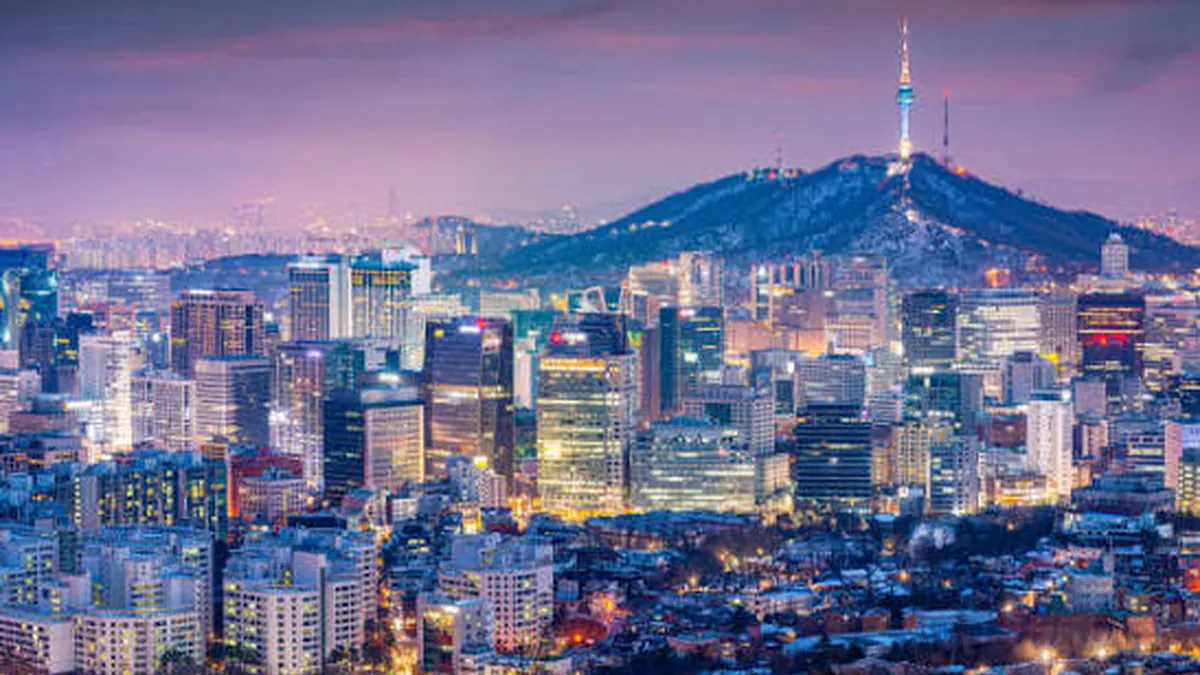
This is the “modern Seoul” day. Gangnam and Sinsa-dong cover upscale shopping and cafés; Seongsu-dong — Seoul’s answer to a converted-warehouse arts district — has become one of the best neighborhoods for coffee-and-concept-store hopping. Close the day with a walk or short cruise along the Han River, ideally at sunset, when the skyline and bridge lighting are worth the detour.
Day 4 — A Day Trip
Pick one, not all three:
- Nami Island — a scenic half-moon island famous from Korean dramas, about 1–1.5 hours from Seoul. Best for a slower, photogenic day.
- Suwon Hwaseong Fortress — a UNESCO World Heritage Site about an hour away on Line 1. The fortress walls stretch roughly 5.7 km, and walking sections feels more spacious than any palace courtyard in the city. Good for “palace fatigue” without skipping history.
- DMZ (Demilitarized Zone) — a full-day guided tour into the buffer zone between North and South Korea. Book in advance; passport required, and tours sell out around holidays.
Everland (Seoul’s biggest theme park) is a fourth option if you’re traveling with kids, though it eats a full day and then some.
Day 5 — Hongdae, Shopping, and a Slow Wind-Down
Spend your last day in Hongdae for its indie music venues, street performances, and youthful energy, or use it for last-minute shopping in Dongdaemun Design Plaza (DDP), best visited in the evening when the food stalls open. If your flight is late, this is also the easiest day to leave loose for a spa treatment or a long brunch in Gangnam.
Where to Stay in Seoul
Myeongdong is the most central choice for first-timers — walkable to major sights, well-connected by subway, dense with hotels at every price point.
Bukchon Hanok Village is quieter and puts you within walking distance of Gyeongbokgung and Insadong, at the cost of being slightly less connected for late-night transit.
Yeouido, a less obvious pick, gives direct subway access to both downtown Seoul and Gangnam, plus a direct limousine bus connection to Gimpo Airport — worth considering if your trip includes an early flight.
Mistakes First-Timers Keep Making
- Stacking two major palaces in one day. They start to blur together, and Gyeongbokgung alone deserves a half-day.
- Underestimating walking distance and stairs. Palace grounds, hanok neighborhoods, and market alleys involve more uphill walking than photos suggest. Comfortable shoes aren’t optional.
- Relying only on Myeongdong street food. It’s fun once, but neighborhood restaurants near Bukchon or Seongsu offer better quality and value for the same price.
- Ignoring the weather for Bukhansan hikes. Trails get slippery after rain, and summer humidity above 30°C makes climbs harder than they look on paper.
- Loading too much cash onto a T-money card. Balances over ₩50,000 make refunds slower for foreign visitors without a Korean bank account. Load small, top up as needed.
What a Realistic Seoul Trip Costs
| Category | Daily estimate (per person) |
|---|---|
| Transit (T-money) | ₩10,000–₩20,000 |
| Meals (street food + 1 sit-down) | ₩30,000–₩50,000 |
| Attraction entries | ₩5,000–₩25,000 depending on day |
| Mid-range hotel | ₩120,000–₩200,000/night |
A 5-day trip, excluding flights, typically lands between $600–$1,200 per person at a comfortable mid-range pace.
Conclusion
A good Seoul itinerary isn’t about cramming in more — it’s about matching the pace to what the city actually asks of you: a little history in the morning, a market lunch, a neighborhood to wander without an agenda in the afternoon. Build your five days around palaces, markets, one trendy neighborhood, and a single day trip, and you’ll leave with the kind of trip that makes people book a second one. If you’re still deciding between a 3-day and 5-day version, start with the day-by-day plan above and simply cut Day 4 and half of Day 5 — everything else holds up.
For more expert travel tips and itineraries, explore our travel planning resources.
FAQ SECTION
Q1: How many days do you need for a Seoul itinerary?
Five days is ideal for first-timers, covering palaces, markets, trendy neighborhoods, and one day trip without rushing. Three days works if Seoul is part of a longer Korea trip; a week or more suits travelers combining Seoul with Busan or Jeju.
Q2: Is 3 days enough to see Seoul?
Three days covers the essentials — one palace, Myeongdong, and a market visit — but you’ll skip day trips and deeper neighborhood exploration. It’s workable, not leisurely.
Q3: Should I get a T-money card or a Climate Card?
T-money suits most first-timers and works nationwide, including the AREX airport train. Climate Card only makes sense if you’re doing 10+ rides within Seoul city limits and staying multiple days, since it doesn’t cover the airport ride in.
Q4: How much should I load onto a T-money card?
For a 3–5 day trip focused on Seoul, ₩30,000–₩50,000 covers transit comfortably. Keep balances under ₩50,000 since larger refunds take longer for visitors without a Korean bank account.
Q5: Do I need a car in Seoul?
No. Seoul’s subway and bus network is extensive, and walking or public transit covers nearly every itinerary stop. A car adds traffic stress without meaningful time savings.
Q6: What’s the best time of year to visit Seoul?
Spring (April–June) and fall (September–November) offer the mildest weather and the best cherry blossom or foliage viewing. Summer is hot and humid; winter is very cold but has its own charm around markets and lights.
Q7: Which day trip is better — Nami Island, Suwon, or the DMZ?
Nami Island suits travelers wanting scenery and a slower pace. Suwon Hwaseong Fortress fits history lovers who want space after palace-heavy days. The DMZ suits anyone wanting the political and historical context of the peninsula’s division — book in advance, since it requires passport clearance.
Q8: What should I not miss on a first Seoul itinerary?
Gyeongbokgung Palace with a hanbok rental, Bukchon Hanok Village, a proper market meal at Gwangjang Market, and at least one “modern Seoul” neighborhood like Seongsu-dong or Gangnam to see the contrast with the historic sites.