

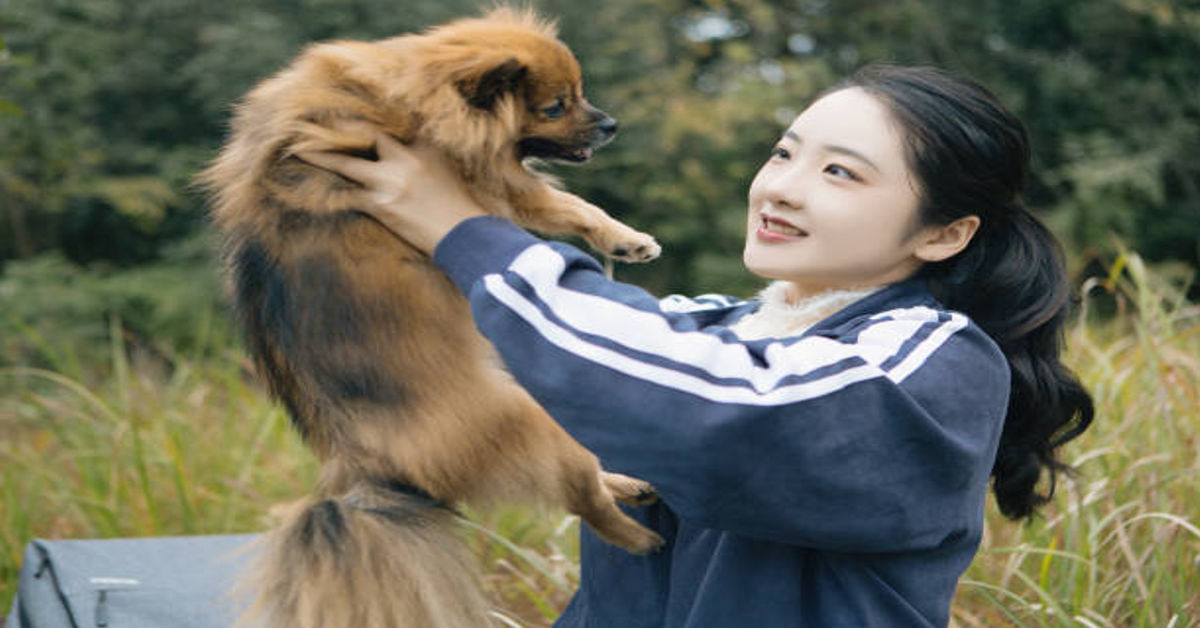
The Shihuanuo is a small, affectionate, and increasingly popular dog breed that has captured the hearts of pet owners worldwide. Known for its charming appearance, playful temperament, and loyalty, the Shihuanuo is often sought after as a family companion, apartment-friendly pet, or therapy dog. While this breed shares some ancestry with the Shih Tzu, it has unique traits that distinguish it from its predecessors. Understanding the Shihuanuo’s characteristics, needs, and behavior is essential for prospective owners to ensure the dog’s health, happiness, and optimal development.
Origin and History of the Shihuanuo
The Shihuanuo breed is believed to be a relatively recent development derived from Shih Tzu lineages, often crossed with other small companion dogs to enhance temperament, coat quality, and adaptability. The breed was selectively cultivated to produce a companion-friendly dog with a low-shedding coat, moderate energy level, and affectionate disposition. Its origin is tied closely to domestic pet breeding programs in Asia and later refined in other regions globally.
Historically, small toy breeds like the Shih Tzu were bred for companionship, particularly for royalty and aristocratic households in China. Shihuanuo inherits this legacy, with the additional goal of combining intelligence, social nature, and health robustness. While not officially recognized by every kennel club yet, the breed has been gaining popularity in modern households because of its versatility and charming personality.
Physical Characteristics
Shihuanuo dogs are small but sturdy, with distinctive features that make them visually appealing. They are typically described as elegant yet compact, combining the classic Shih Tzu traits with modern hybrid vigor.
| Feature | Description |
|---|---|
| Size | 9–14 inches (23–36 cm) in height at the shoulder |
| Weight | 7–14 pounds (3–6 kg) |
| Coat | Medium to long, soft, silky, low to moderate shedding |
| Colors | Various, including white, brown, black, grey, and mixes |
| Eyes | Large, round, dark, expressive |
| Ears | Floppy, covered with long fur |
| Tail | Curled over the back, fluffy |
| Lifespan | 12–16 years |
Shihuanuos typically have a friendly facial expression with a short muzzle and a rounded head, giving them a “toy-like” appeal. Their compact size makes them suitable for apartment living, while their moderate activity levels ensure they enjoy both indoor and outdoor activities.
Temperament and Personality
The Shihuanuo is renowned for its friendly and affectionate personality. It thrives in family settings, enjoys human interaction, and forms strong bonds with its owners.
Key personality traits include:
- Affectionate: Shihuanuos love cuddling and being around their family members. They are particularly good with children if socialized early.
- Intelligent: This breed is highly trainable, capable of learning commands, tricks, and house rules quickly.
- Playful: Shihuanuos enjoy interactive play, whether with toys, games, or short outdoor activities.
- Alert: Though not aggressive, they make good watchdogs due to their alertness and awareness of surroundings.
- Social: The breed generally gets along well with other pets, including dogs and cats, when properly introduced.
Despite their playful and friendly nature, Shihuanuos may display stubbornness if training is inconsistent. Positive reinforcement methods, patience, and early socialization are key to raising a well-behaved adult dog.
Care Requirements
Owning a Shihuanuo requires commitment to grooming, nutrition, exercise, and health monitoring. Their small size does not mean they are low-maintenance; rather, they need specific care to remain happy and healthy.
Grooming
The Shihuanuo’s coat requires regular maintenance to prevent matting and tangles. While they are lower shedding than some breeds, brushing several times a week is recommended.
Grooming Checklist:
- Brush coat 3–5 times per week
- Bathe once every 4–6 weeks or as needed
- Clean ears weekly to prevent infections
- Trim nails every 3–4 weeks
- Brush teeth daily or several times per week
Professional grooming may be required every few months, especially for those owners who prefer specific hairstyles such as the “puppy cut.”
Exercise
Shihuanuos are moderately active and enjoy short walks, indoor play sessions, and interactive games. Despite their small size, daily physical activity is essential to prevent obesity and maintain mental stimulation.
Exercise Tips:
- Two 15–20 minute walks daily
- Indoor fetch or tug-of-war
- Puzzle toys and training games for mental exercise
Diet and Nutrition
A balanced diet is crucial for the Shihuanuo’s health, coat quality, and longevity. High-quality commercial dog food, supplemented with occasional fresh fruits and vegetables, works well.
Feeding Guidelines:
- Small breed dog food recommended
- 1/2 to 1 cup per day divided into 2 meals
- Avoid overfeeding; prone to weight gain
- Fresh water available at all times
| Food Type | Recommended Frequency | Notes |
|---|---|---|
| Dry kibble | 2 meals daily | Choose high-quality small-breed formula |
| Wet food | Occasional supplement | For variety and hydration |
| Treats | Limited, <10% daily intake | Use for training or rewards |
| Fruits/Vegetables | Occasional | Carrots, blueberries, pumpkin, etc. |
Proper nutrition is essential for a Shihuanuo’s immune system, coat sheen, and energy levels.
Health Considerations
Like all dog breeds, the Shihuanuo may be predisposed to certain health conditions. Responsible breeding and regular veterinary care can minimize risks.
Common Health Issues:
- Brachycephalic Syndrome: Due to their short muzzle, Shihuanuos may experience breathing difficulties. Avoid strenuous exercise in hot weather.
- Dental Problems: Small breeds are prone to dental disease; regular teeth brushing is essential.
- Hip Dysplasia: Though less common in toy breeds, occasional joint issues may occur.
- Eye Conditions: Tear staining, cataracts, or dry eye may develop; monitor eye health regularly.
- Allergies: Sensitive skin may react to certain foods or environmental triggers.
Routine checkups, vaccinations, and preventative treatments for parasites are vital to prolonging a Shihuanuo’s lifespan.
Training and Socialization
Training a Shihuanuo requires patience, consistency, and positive reinforcement. Early socialization helps them adapt well to new people, pets, and environments.
Training Tips:
- Start obedience training at 8–10 weeks of age
- Use reward-based methods (treats, praise)
- Introduce new experiences gradually
- Crate training can assist with housebreaking
- Avoid harsh punishment; this breed responds better to encouragement
Socialization and training are critical to prevent separation anxiety, excessive barking, or stubborn behaviors. Shihuanuos thrive in homes where they are included in family activities and given mental stimulation.
Ideal Living Conditions
Shihuanuos are highly adaptable and can live comfortably in apartments, small houses, or larger homes. They do not require large outdoor spaces but benefit from safe play areas and short walks.
Key Considerations:
- Suitable for apartment living due to size
- Not ideal for outdoor-only environments
- Sensitive to extreme heat and cold
- Enjoy human interaction; dislike long periods of isolation
A loving, attentive household is best for a Shihuanuo, ensuring both physical and emotional well-being.
Breeding and Puppies
Shihuanuo breeding should focus on health, temperament, and lineage. Puppies require early socialization, vaccinations, and gradual exposure to different stimuli.
Puppy Care:
- Vaccinations start at 6–8 weeks
- Socialization with people, pets, and sounds is essential
- Begin gentle training early for good habits
- Proper nutrition supports growth and immunity
Puppies are playful, curious, and affectionate, reflecting the breed’s characteristic personality. Responsible breeders prioritize health checks and genetic screenings to reduce inherited conditions.
Costs and Adoption
Owning a Shihuanuo involves initial costs and ongoing expenses.
| Expense Type | Average Cost (USD) |
|---|---|
| Puppy Purchase | $800–$2,000 |
| Food (monthly) | $30–$60 |
| Grooming (monthly) | $50–$100 |
| Veterinary Care | $200–$500 annually |
| Accessories (beds, toys) | $100–$200 |
Adoption options may exist through rescue organizations, offering a lower-cost alternative while providing a loving home to a dog in need.
FAQs
- Is the Shihuanuo good with children?
Yes, with early socialization, Shihuanuos are affectionate and gentle with children. - Do Shihuanuos shed a lot?
No, they have low to moderate shedding but require regular brushing. - How long do Shihuanuos live?
Typically, 12–16 years with proper care and regular veterinary attention. - Can Shihuanuos live in apartments?
Yes, their small size and moderate activity make them ideal for apartment living. - Are Shihuanuos easy to train?
Yes, they are intelligent and respond well to positive reinforcement training methods.
Conclusion
The Shihuanuo is a delightful companion breed that combines the affectionate, loyal, and playful traits of traditional toy breeds with modern adaptability. Their small size, manageable energy levels, and friendly temperament make them ideal pets for families, singles, and apartment dwellers. However, they require consistent care, grooming, health monitoring, and positive training. By understanding their needs and providing a loving environment, owners can enjoy years of companionship, entertainment, and affection from this charming breed.
 George Smith
  admin
admin