Portugal itinerary 14 days try to cram in nine cities and three regions, then wonder why every day ends up feeling like a scramble to the train station. I’ve watched friends do this — arrive home more exhausted than when they left, having “seen” Porto in four rushed hours. A better two-week trip picks fewer bases and lets each one breathe.
Fourteen days in Portugal is enough to properly cover Lisbon, Porto, the Algarve, and one or two smaller stops — like Sintra, the Douro Valley, or Évora — without the trip feeling like a checklist. The route below moves south to north to south (or reverse), balances city days with coastal downtime, and uses trains for the parts of the country where driving adds stress instead of saving time.
Is 14 Days Enough for Portugal?
Yes, with the right expectations. Portugal is small — driving Lisbon to the Algarve takes under three hours, and Lisbon to Porto is roughly the same by train. That compactness is exactly why two weeks works here in a way it wouldn’t in Spain or Italy.
The mistake isn’t the length of the trip — it’s the number of stops. Trying to hit Lisbon, Porto, the Algarve, Coimbra, Braga, the Azores, and Madeira in 14 days means one or two rushed nights everywhere. This itinerary sticks to four main regions plus focused day trips, which is the difference between visiting a place and just passing through it.
Quick takeaway: Budget 3–4 nights each in Lisbon, Porto, and the Algarve, with 2–3 nights split between the Alentejo and central Portugal. That’s the pacing that actually holds up.
How to Plan Your Route (Loop vs. One-Way)
Two structures work well for a first Portugal trip:
- The classic loop: Fly into Lisbon, head north to Porto and the Douro Valley, loop back south through central Portugal, and finish in the Algarve before flying home from Lisbon or Faro.
- The one-way run: Fly into Porto, travel south through Lisbon, and end in the Algarve, flying out of Faro. This avoids backtracking entirely if your airline allows an open-jaw ticket.
Either way, the logic is the same: cluster the north (Porto, Douro, Braga, Guimarães), cluster central Portugal (Coimbra, Aveiro, Nazaré, Óbidos), and treat the Algarve as a separate, standalone leg. Don’t zigzag between regions — every extra transfer eats a half-day.
Your Portugal Itinerary 14-Days
| Day | Base | Highlights |
|---|---|---|
| 1–2 | Lisbon | Alfama, São Jorge Castle, Belém (Jerónimos Monastery, Torre de Belém) |
| 3 | Sintra (day trip) | Pena Palace, Quinta da Regaleira |
| 4 | Cascais (day trip) or slow Lisbon day | Coastal walk, seafood lunch |
| 5–6 | Évora | Roman Temple, wine tasting, Alentejo countryside |
| 7–8 | Porto | Ribeira, Clérigos Tower, Livraria Lello, Azulejos, Port wine cellars |
| 9 | Douro Valley (day trip) | Vineyard terraces, river cruise or wine estate visit |
| 10 | Coimbra & Aveiro | University city, canals and moliceiro boats |
| 11 | Nazaré & Óbidos | Cliffside views, medieval walled town |
| 12–14 | Algarve (Lagos or Faro) | Ponta da Piedade, beach time, Faro Old Town |
Days 1–4 — Lisbon, Sintra & Cascais
Lisbon rewards slow mornings and steep walks. Spend your first two days in Alfama’s tangle of tiled facades, ride the historic Tram 28 early to dodge crowds, and take in the city from a miradouro at sunset. Belém, a short tram ride out, holds Jerónimos Monastery and Torre de Belém — plan a half-day there and don’t skip the original pastel de nata at Pastéis de Belém.
Day 3 is Sintra: Pena Palace and Quinta da Regaleira are both worth the entrance fees, but arrive by the first train to avoid the midday crush that swallows this town by 11 a.m. Day 4 can go two ways — a relaxed coastal day in Cascais, or simply a slower fourth day back in Lisbon for the neighborhoods you didn’t reach yet, like Príncipe Real or LX Factory.
Days 5–6 — Évora & the Alentejo
This is the stop most 14-day itineraries skip, and it’s the one that gives your trip depth instead of just checking off famous cities. Évora’s Roman Temple sits in the middle of a walkable old town, and the surrounding Alentejo region produces some of Portugal’s best wine at a fraction of Douro prices. Two days is enough to see the town properly and take one countryside excursion — a cork farm or a small vineyard tasting.
Days 7–9 — Porto, Douro Valley & the North
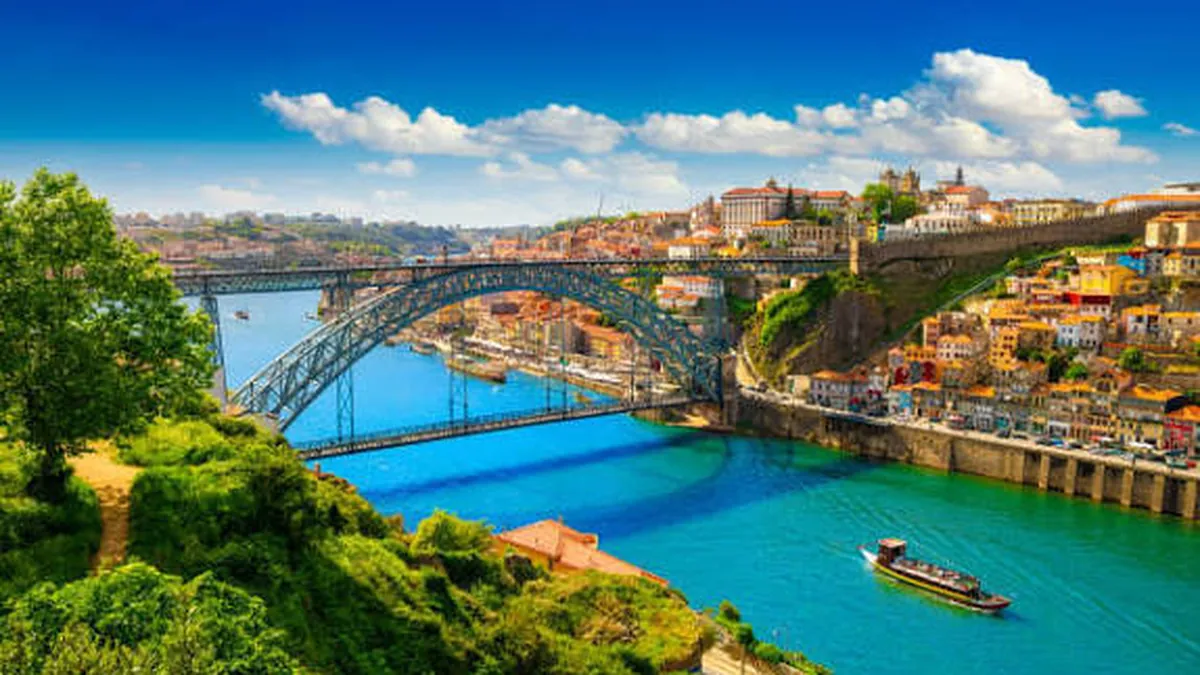
Porto is a working city more than a museum piece, and it shows. Spend your first day around the Ribeira waterfront and cross into Vila Nova de Gaia for a port wine cellar tour. São Bento Station’s azulejo tilework and the Livraria Lello bookshop are worth the queue once. On day 9, take a train or organized tour into the Douro Valley — the terraced vineyards along the river are one of the most photographed landscapes in the country, and a short river cruise or wine estate lunch fills the day well. If you have any flexibility, Braga and Guimarães make an easy add-on day trip from Porto by train, but they’re the first thing to cut if your pace is feeling tight.
Days 10–11 — Coimbra, Aveiro, Nazaré & Óbidos
This stretch is central Portugal’s greatest-hits reel, best done by train or a rented car picked up in Porto. Coimbra’s university and old town are worth a few hours; Aveiro’s canals and pastel-colored moliceiro boats earn its “Portuguese Venice” reputation. Push on to Nazaré for the dramatic clifftop views (famous for its giant winter waves, though you won’t see those outside surf season) and Óbidos, a walled medieval town small enough to see properly in an afternoon.
Days 12–14 — The Algarve
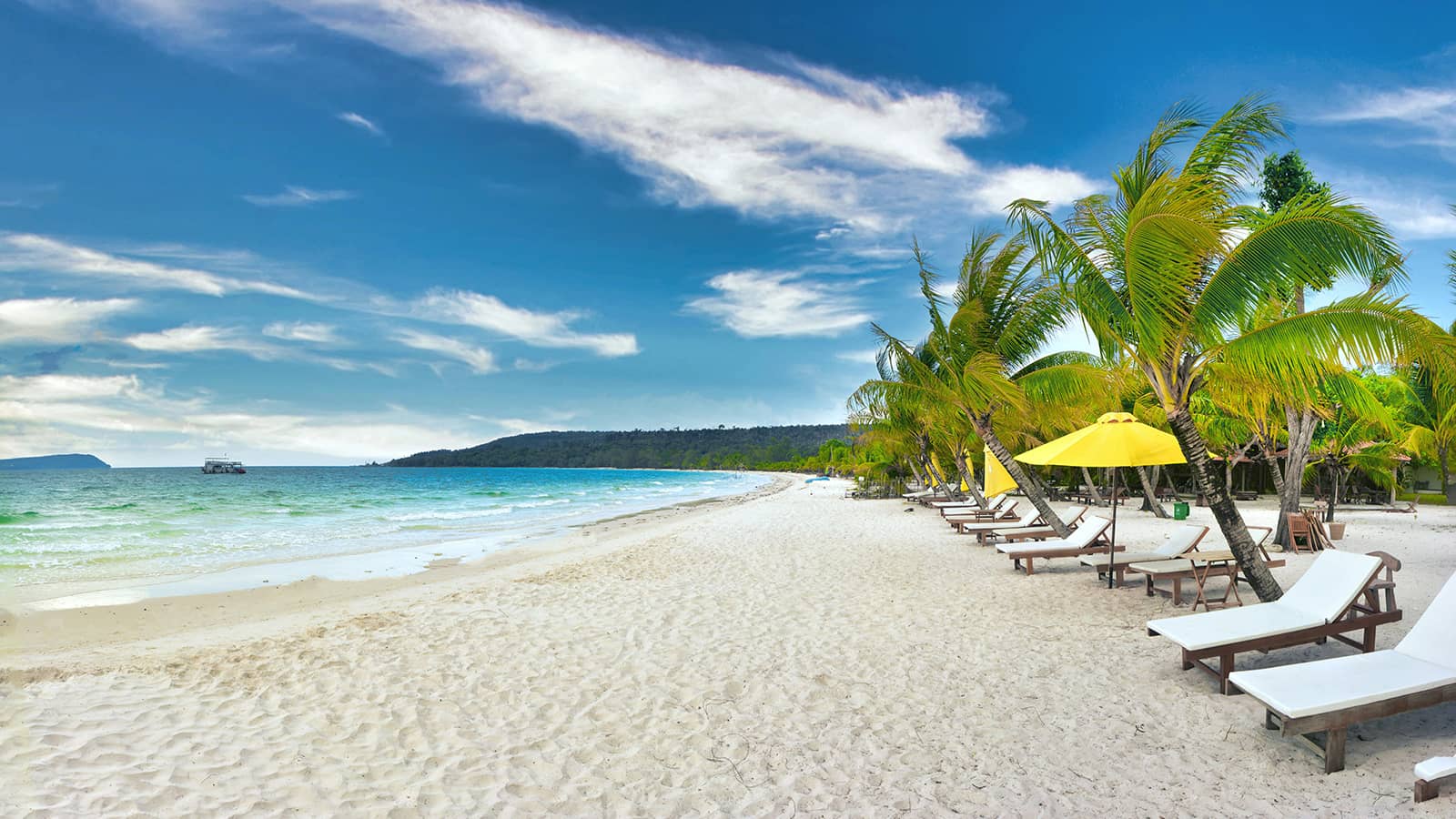
End the trip on the coast. Lagos and Faro both work as bases — Lagos for boat trips to Ponta da Piedade’s limestone caves and grottoes, Faro for its walkable old town and easier access to quieter beaches nearby. Three days here is deliberately slower than the rest of the itinerary: after nine days of moving between cities, this is where the trip should stop feeling like a schedule.
Quick takeaway: If you’re short on time, cut Days 5–6 (Évora) or the Douro Valley day trip first — Lisbon, Porto, and the Algarve are the three stops that carry a first Portugal trip.
Portugal Itinerary by Car vs. by Train — Which Fits You?
| By Train/Public Transport | By Rental Car | |
|---|---|---|
| Best for | Lisbon, Porto, Algarve, Sintra, Coimbra, Aveiro | Douro Valley, Alentejo countryside, small coastal towns |
| Cost | Lower — Lisbon–Porto around €26–34 on Comboios de Portugal | Higher — factor fuel, tolls, and city parking |
| Stress level | Low in cities; stations are central | Low outside cities; high in Lisbon/Porto centers |
| Flexibility | Fixed schedules, but frequent on main routes | Full control over stops and timing |
A hybrid approach works best for most travelers: trains between Lisbon, Porto, Coimbra, and the Algarve, with a rental car picked up for just the Douro Valley or Alentejo legs where public transport thins out. Parking in Lisbon and Porto’s historic centers is genuinely difficult, so avoid having a car during those city days if you can.
What 14 Days in Portugal Actually Costs in 2026
Costs vary widely by travel style, but Portugal remains one of Western Europe’s better values.
| Budget style | Daily cost (per person) | What it covers |
|---|---|---|
| Budget | €45–75 | Hostel dorm, tasca lunches, public transport, free sights |
| Mid-range | €150–240 | Private room/hotel, sit-down meals, paid attractions, some day tours |
| Luxury | €367+ | Boutique hotels, private tours, fine dining |
A mid-range couple can expect a 14-day trip to run roughly €2,100–€3,400 total per person before international flights, factoring intercity trains (€15–35 per route), city day passes (€6.80–7.50), and typical attraction entry fees (€10–25 each). Flights from the US typically add $500–1,200 depending on season, with July–August the most expensive months to fly.
Best Time to Visit Portugal for a Two-Week Trip
April–June and September–October are the sweet spot: warm enough for the Algarve, cool enough for comfortable walking in Lisbon and Porto, and noticeably cheaper than peak summer. July and August bring the heat, the crowds, and prices that can double in Lisbon and the Algarve. Winter (November–March) is workable and cheapest, though some Algarve businesses reduce hours and rain is more frequent in the north.
Practical Tips Nobody Tells You Until You’re There
- The bread, olives, and appetizers brought to your table automatically (the couvert) aren’t free — decline them if you don’t want the charge.
- Most Portuguese hotels add a small nightly tourist tax, usually capped after seven nights.
- Tram 28 in Lisbon is a genuine highlight and a genuine pickpocket hotspot — go early, watch your bags.
- Book Sintra’s Pena Palace and Quinta da Regaleira tickets online in advance; same-day lines can eat two hours of your one day there.
- Don’t schedule a travel day and a full sightseeing day back to back — build in at least one slow morning per city.
Discover more destinations and planning tips in our travel guide library.
FAQ SECTION
Is 14 days enough time to see Portugal?
Yes, for a first visit focused on Lisbon, Porto, and the Algarve, plus one or two smaller stops. Trying to add the Azores or Madeira on top will make the trip feel rushed — treat those as a separate future trip.
How many days should I spend in Lisbon vs. Porto?
Give each 3–4 days including day trips. Lisbon needs a bit more time if you’re including Sintra and Cascais; Porto pairs naturally with a Douro Valley day trip.
Do I need a rental car for a Portugal itinerary?
Not for the main cities — trains cover Lisbon, Porto, Coimbra, and the Algarve efficiently. A car helps most in the Douro Valley and Alentejo, where public transport options are sparser.
What’s the best route for a 14-day Portugal trip?
A loop starting and ending in Lisbon (or a one-way Porto-to-Algarve route) that clusters the north, central Portugal, and the south separately, rather than zigzagging between regions.
How much does a 2-week Portugal trip cost?
Roughly €45–75 per day on a budget trip, €150–240 per day mid-range, per person, before international flights.
What’s the best time of year for this itinerary?
April to June or September to October, for warm weather without peak summer prices and crowds.
Should I fly into Lisbon or Porto?
Either works. Lisbon suits a loop itinerary; Porto suits a one-way north-to-south route ending in the Algarve.
Is Évora worth including in a 14-day itinerary?
Yes, if you have the two days to spare — it’s one of the more overlooked stops and adds Alentejo wine country to a trip that otherwise skews entirely coastal and urban.