Most people planning a luxury safari in Tanzania start with the wrong question. They ask “which camp is the nicest?” when the question that actually shapes the trip is “which region, in which month, for how many nights?” Get that right and almost any well-chosen camp delivers. Get it wrong and no amount of thread count fixes it.
A luxury safari Tanzania typically runs $600–$2,000+ per person per day, covering fly-in transfers, exclusive tented camps or lodges, a private driver-guide, and all park fees. The core circuit pairs the Serengeti with Ngorongoro Crater, often extended with a few days on Zanzibar. Peak value sits in June, July and late December.
What Actually Makes a Luxury Safari in Tanzania “Luxury”
The word gets used loosely, so it’s worth being precise about what you’re actually paying for.
Tented camps are the classic format — permanent canvas suites on raised platforms, open to the sounds of the bush at night but delivering full lodge-level comfort inside: proper beds, en-suite bathrooms, and often a private plunge pool or veranda. The best ones manage to feel wild without asking you to give up anything.
Lodges are permanent stone, timber, or hybrid structures. They tend to feel slightly more formal and are common on the Ngorongoro Crater rim, where the terrain and altitude favor solid construction over canvas.
Private villas and exclusive-use camps sit at the top of the market. A group buys out the entire property — every room, every guide, every vehicle — and the schedule bends entirely around them. This is the tier most honeymooners and multi-generational families gravitate toward, less for the decor and more for the total privacy.
What separates a genuinely luxury experience from an expensive one isn’t the linen. It’s the guiding. A driver-guide who reads animal behavior, knows where the pride denned last week, and can adjust the day on instinct is worth more to the actual safari than any infinity pool. That’s the detail most brochures underplay.
Where to Go on a Luxury Safari Tanzania
Serengeti — Which Part You Stay In Matters More Than You Think
The Serengeti is the flagship, and for luxury travelers, the meaningful distinction isn’t whether you go — it’s where inside the park you stay. Central Seronera is wildlife-rich and easy to access, but it’s also the busiest section. The northern, western, and southern Serengeti are where the strongest private camps operate, positioned seasonally to track the Great Wildebeest Migration and offering noticeably more exclusive game viewing.
Ngorongoro Crater — A World in One Caldera
Ngorongoro is a self-contained ecosystem: a collapsed volcanic caldera holding one of the densest wildlife concentrations anywhere in Africa, including a resident black rhino population. Luxury lodges perch on the crater rim with views across the entire floor, and game drives descend into the crater itself — an experience with no real equivalent elsewhere on the circuit.
Tarangire — The Best-Value Luxury Detour
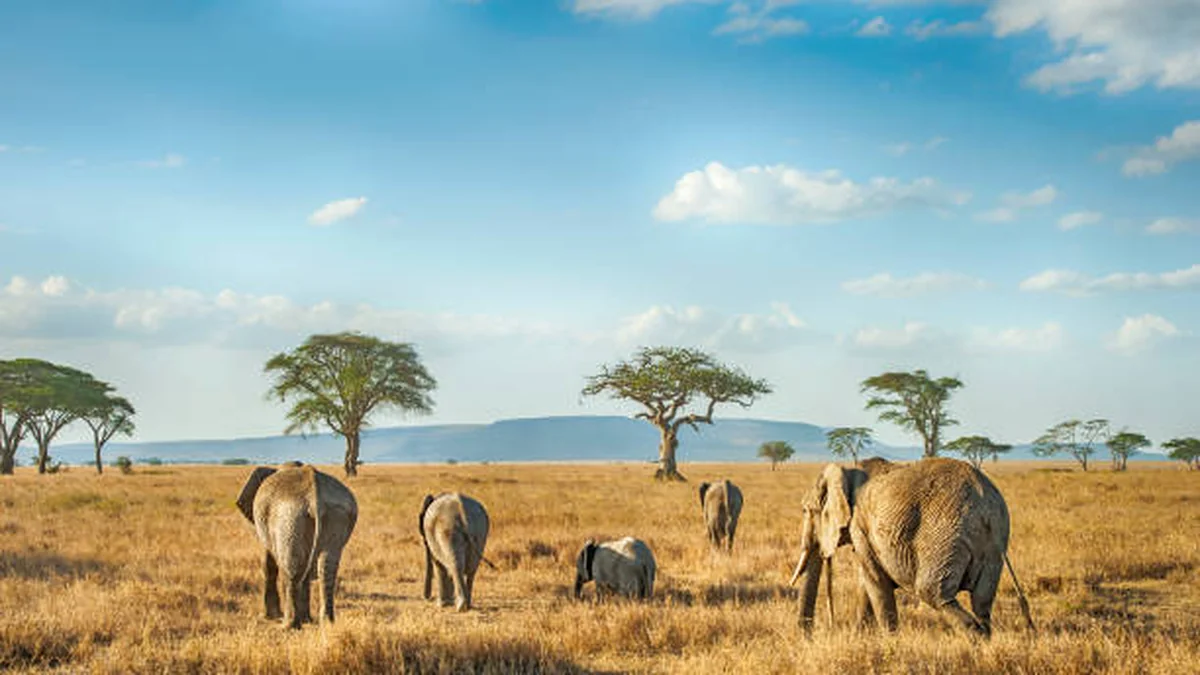
Tarangire gets skipped by travelers rushing straight to the Serengeti, which is exactly why it’s one of the strongest value plays in the country. Famous for its ancient baobabs and huge elephant herds, it delivers serious game viewing at camp rates well below Serengeti or Ngorongoro pricing.
Zanzibar — The Natural Second Half of the Trip
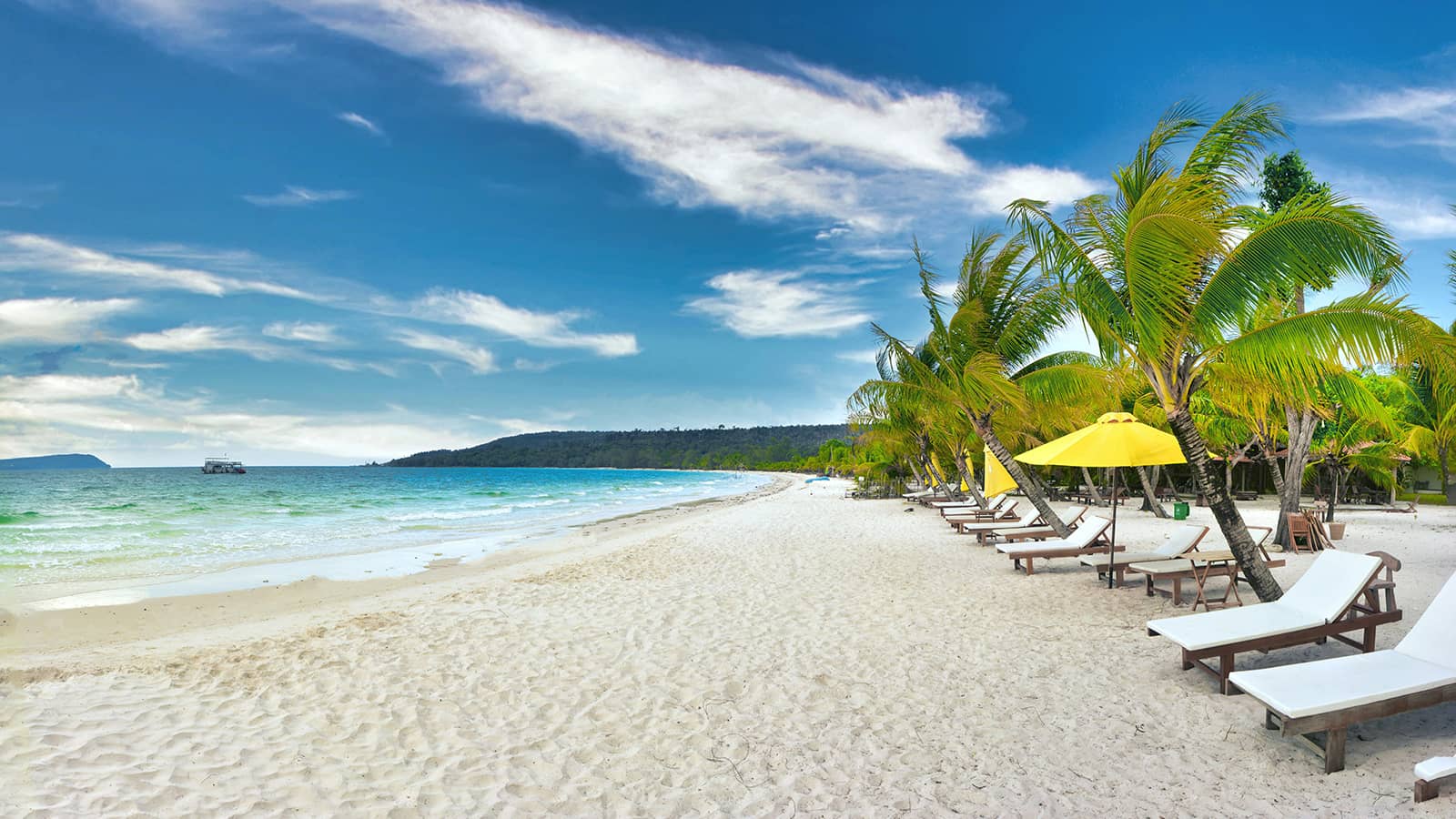
Pairing bush and beach is one of the most natural combinations in African travel, and most Tanzania itineraries fly guests directly from the Serengeti or Arusha to Zanzibar. Three to four nights is typically enough to decompress without the trip feeling padded — white sand, warm Indian Ocean water, and a genuinely different pace after days of early-morning game drives.
The Road Less Traveled — Mahale, Katavi, Selous and Ruaha
If the northern circuit is the postcard version of Tanzania, the west and south are where the country’s wilder side lives. Mahale Mountains National Park, reachable only by air or boat, holds one of the largest known populations of eastern chimpanzees and offers guided trekking that also funds local conservation and community projects. Katavi is remote and largely untouched. Ruaha and the Selous/Nyerere ecosystem in the south are enormous, sparsely visited, and increasingly popular with repeat safari travelers who’ve already done the Serengeti and want something with far fewer vehicles per sighting.
Best Time for a Luxury Safari in Tanzania
Timing changes both the wildlife experience and the price, sometimes dramatically.
- June through October is peak dry season — reliable weather, concentrated wildlife around water sources, and the Great Migration typically moving through the northern Serengeti and Mara River area. This is also when luxury camp rates peak.
- December through March brings shorter dry spells and the calving season on the southern Serengeti plains, when hundreds of thousands of wildebeest give birth within a few weeks — a genuinely dramatic sighting window that draws less crowd pressure than the July migration peak.
- Late March through May is the green season: lower rates, quieter camps, lush landscapes, and exceptional birdlife, offset by afternoon rain and longer grass that can make some sightings harder.
- November to early December is a short shoulder window with lighter crowds and softer pricing before the December rush.
The honest takeaway: there isn’t a bad time to visit Tanzania on a luxury safari, but there’s a real trade-off between paying peak rates for the classic river-crossing spectacle and paying substantially less for calving season or green season, which many repeat visitors actually prefer.
What a Luxury Safari in Tanzania Actually Costs
Here’s where a lot of marketing gets vague. Based on current operator pricing and published 2026 park fee schedules, here’s what the tiers actually look like.
| Tier | Per person, per day | What’s typically included |
|---|---|---|
| Budget | $150–$400 | Camping or simple lodges, shared vehicle, group departure |
| Mid-range | $350–$800 | Private vehicle and guide, comfortable tented camps or lodges |
| Luxury | $600–$1,500 | Fly-in transfers, exclusive tented camps, private guide, full board |
| Ultra-luxury | $1,200–$2,000+ | Private villas, exclusive-use camps, personalized itineraries |
A representative 7-day luxury northern-circuit trip lands somewhere between $6,000 and $12,000 per person, before international flights.
Park Fees and What’s Really Included
Tanzania’s park fees are genuinely higher than most other African safari destinations, and they’re a fixed cost regardless of which operator you book with. Serengeti and Ngorongoro entry runs roughly $70–$83 per person per day, and the Ngorongoro Crater carries an additional one-time descent fee of around $295 per vehicle — on a short trip, that single charge can add noticeably to your per-day cost. These fees fund TANAPA and NCAA conservation and anti-poaching work, so they’re not padding; they’re the reason the parks stay in the condition that makes the trip worth taking.
A quality safari price should always be quoted as fully inclusive: accommodation, all meals, a private vehicle and driver-guide, and every park fee. If a quote looks unusually cheap, check whether park fees have quietly been left out.
Where the Money Actually Goes
Accommodation is the single biggest swing factor. The same 5-day Serengeti-and-Ngorongoro itinerary can run $2,000 per person with a comfortable mid-range lodge or well over $12,000 per person at a top-tier property like Singita Grumeti. Group size matters too — a group of four often pays 20–30% less per person than a couple, since the vehicle and guide costs are shared regardless of headcount.
How to Plan a Luxury Safari in Tanzania Without Wasting Money or Time
How Many Days You Actually Need
Seven nights is the practical minimum for a proper northern circuit that includes both the Serengeti and Ngorongoro without feeling rushed. Ten nights allows a more relaxed pace plus a Zanzibar extension. Under five nights tends to feel compressed — you’ll spend a disproportionate share of the trip in transit rather than actually in the bush.
Road Safari vs. Fly-In Safari
Road safaris move between parks by private 4×4, which is more affordable and lets you see the changing landscape between destinations. Fly-in safaris use light aircraft to hop between camps, cutting travel time dramatically and adding a meaningful comfort premium — this is usually where the jump from mid-range to true luxury pricing happens. For a first Tanzania trip, a hybrid works well: drive between the closer parks (Arusha–Tarangire–Ngorongoro) and fly into the more remote Serengeti camps.
Booking Direct vs. Through an International Agency
Large international travel agencies and safari companies typically mark up local Tanzania-based operator pricing by 30% or more. That markup buys convenience, brand reassurance, and a single point of contact — which some travelers value. But booking through a vetted, licensed local Tanzanian operator or an independent specialist who works directly with ground operators can save meaningfully on the same itinerary without any drop in guiding quality, since the guides on the ground are frequently the same people either way.
Quick Takeaway: The single most common mistake on a luxury Tanzania itinerary is trying to cover too much ground. Changing camps every night sounds adventurous on paper, but it erodes the actual experience — game drives get rushed, transfer days eat into time on the ground, and the trip starts to feel like a checklist instead of a safari. Fewer camps, more nights in each, almost always produces a better trip.
Culture and Conservation on a Luxury Safari in Tanzania
Tanzania is home to more than 120 known tribes, and the Maasai are the most visible presence across the northern safari circuit — recognizable by their red shuka cloth and the high jumping dance known as the adumu. Many camp guides come from Maasai communities themselves, and a genuine village visit or Maasai-guided bush walk, arranged properly, is one of the more meaningful additions to a luxury itinerary rather than a staged photo stop. Beyond culture, the park fees baked into every safari price directly fund TANAPA and NCAA conservation work, including anti-poaching patrols — a fact worth knowing when a quote looks suspiciously low, since it usually means those fees have been stripped out.
Getting Your Luxury Safari in Tanzania Right
A luxury safari in Tanzania rewards travelers who plan around region and season first, then let the camp choice follow — not the other way around. Pair the Serengeti with Ngorongoro for the classic circuit, add Tarangire if you have the days, and finish on Zanzibar if you want the bush-to-beach contrast. Book seven to ten nights, confirm your quote includes park fees, and work with an operator — local or specialist — who’s straightforward about what you’re actually paying for.
If you’re ready to start narrowing down dates and camps, the next practical step is requesting an itemized quote from a specialist who works directly with vetted ground operators in Tanzania, rather than guessing from list prices alone.
For more safari planning guides and wildlife trip ideas, explore our travel guide library.
FAQ Section
Is Tanzania or Kenya better for a luxury safari?
Both deliver world-class game viewing. Tanzania offers a larger combined wilderness area, the Ngorongoro Crater, and a natural beach extension to Zanzibar. Kenya has a more developed luxury camp infrastructure and the classic Mara River crossings. First-time travelers often find Tanzania the stronger single-country trip.
How many days do I need for a luxury Tanzania safari?
Seven nights is the realistic minimum for a proper Serengeti-and-Ngorongoro circuit. Ten nights allows a more relaxed pace plus a Zanzibar extension. Fewer than five nights usually feels rushed.
What’s included in a luxury safari package price?
A properly quoted luxury safari includes accommodation, all meals, a private vehicle and driver-guide, and all national park and conservation fees. International flights, visas, tips, and travel insurance are almost always separate.
Is a Tanzania safari expensive compared to other African destinations?
Yes, largely because of high park fees at Serengeti and Ngorongoro. In exchange, Tanzania’s parks are typically less crowded and cover more combined wilderness than comparable destinations.
What’s the best month to see the wildebeest migration?
The northern Serengeti river crossings typically peak from July through October. The calving season on the southern plains runs roughly December through March and offers a different, less crowded spectacle.
Do I need a visa for Tanzania?
Most visitors need a tourist visa, available as an e-visa online or on arrival, typically around $50 for a 90-day single entry. A yellow fever certificate is required depending on your travel history.
Can I combine a Tanzania safari with Zanzibar?
Yes — it’s one of the most common pairings in African travel. Most itineraries fly directly from the Serengeti or Arusha to Zanzibar, with three to four nights enough to unwind after the bush.
What’s the difference between a tented camp and a lodge?
Tented camps are canvas suites on raised platforms offering an immersive, open-air feel with full lodge-level comforts inside. Lodges are permanent stone or timber structures, generally more formal, common on the Ngorongoro Crater rim.