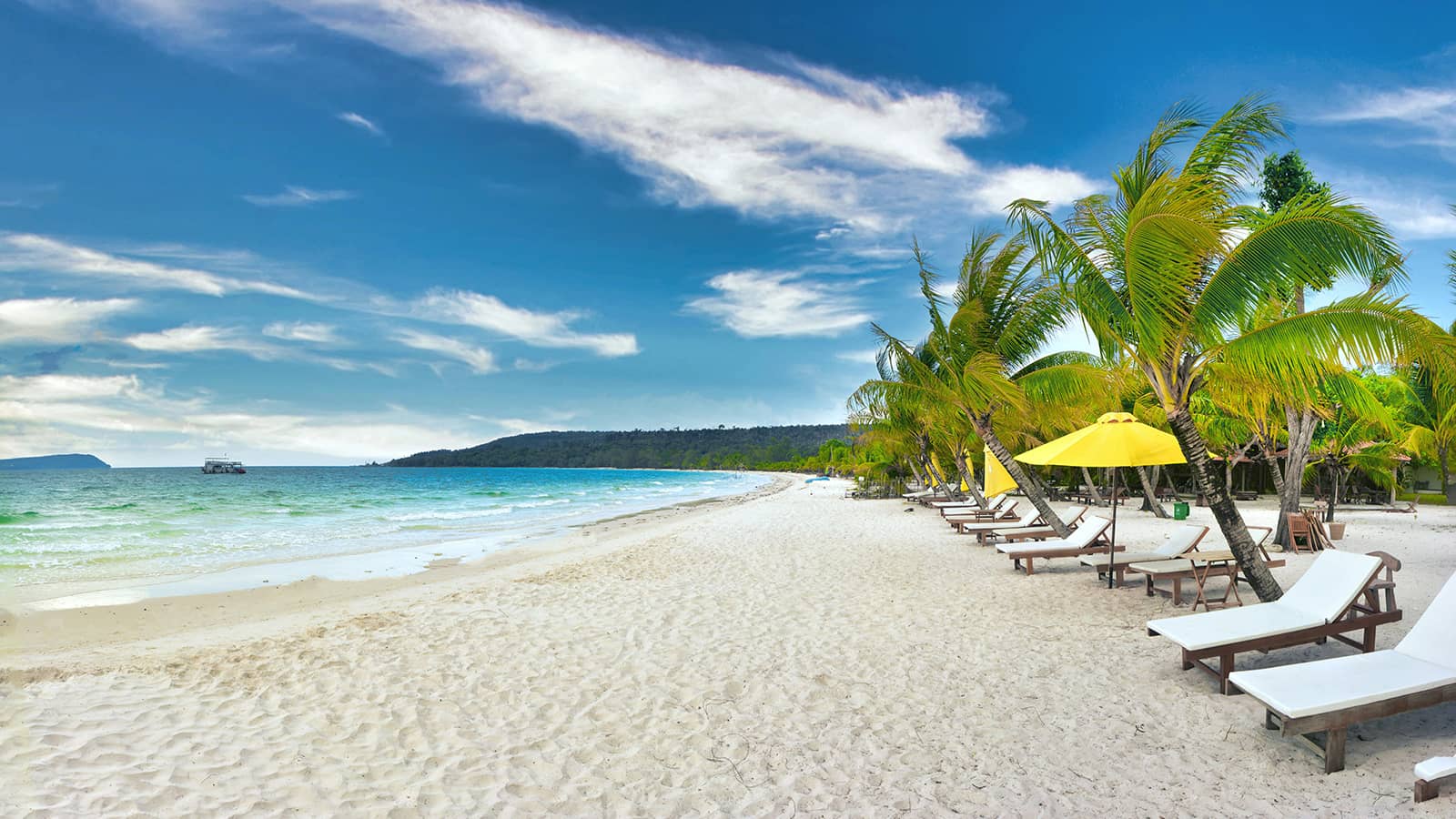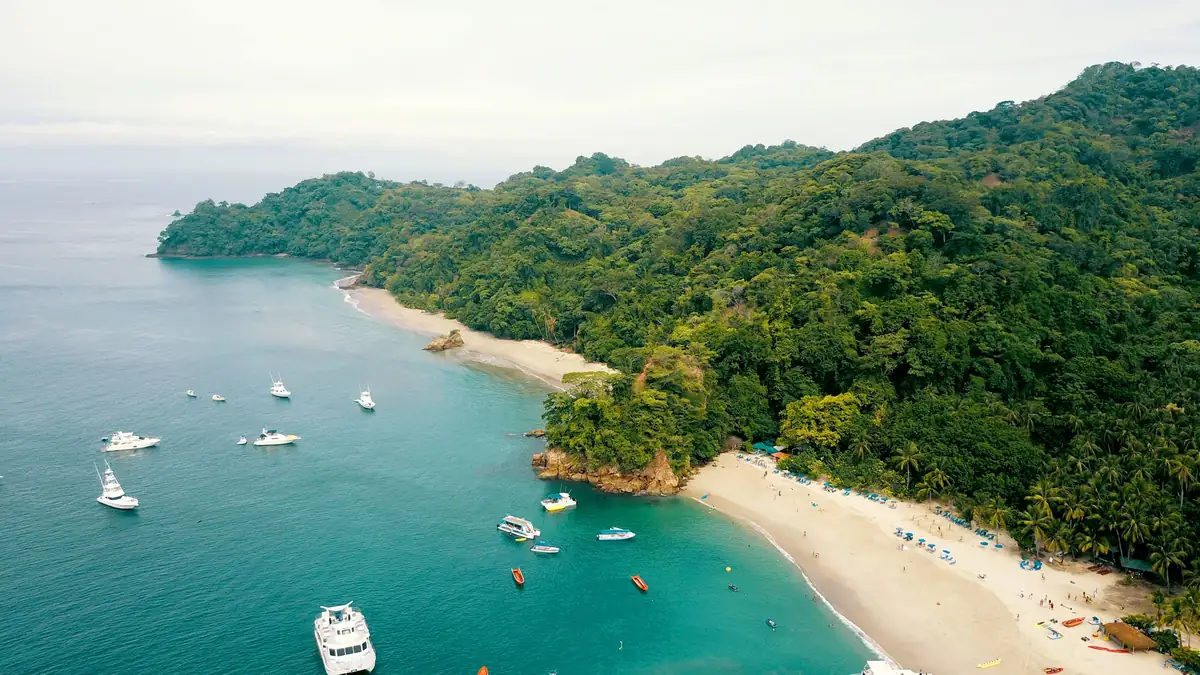
There’s a reason Costa Rica keeps landing at the top of every travel bucket list. Within a country about the size of West Virginia, you can wake up to howler monkeys in a rainforest, soak in volcanic hot springs by afternoon, and fall asleep to Pacific waves crashing outside your bungalow. The biodiversity alone is staggering — Costa Rica hosts roughly 5% of the world’s species on just 0.03% of its land.
But here’s the challenge most travelers face: where do you actually start?
Between the Pacific coast, the Caribbean side, highland cloud forests, active volcanoes, and remote national parks, planning a Costa Rica itinerary can feel overwhelming fast. This guide cuts through the noise. Whether you have a week, 10 days, or two full weeks, you’ll find a clear, realistic day-by-day plan below — plus honest advice on getting around, the best time to go, what to pack, and the mistakes worth avoiding.
How Many Days Do You Actually Need in Costa Rica?
The honest answer: at least 10 days, if you want to experience more than one or two regions without spending half your trip in a car.
Here’s a simple way to think about it:
- 7 days → Ideal for two regions (e.g., Arenal Volcano + Pacific beach). You’ll feel the pace, but won’t rush.
- 10 days → Comfortably fits three distinct areas with breathing room. The sweet spot for most first-timers.
- 14 days → Full circuit: volcanoes, cloud forest, Caribbean coast, multiple beaches, and remote parks like Corcovado.
One thing that catches visitors off guard: Costa Rica distances are deceptive. A 60-mile drive can easily take two hours once you factor in mountain switchbacks, single-lane bridges, and the occasional slow truck. Build in buffer time — it’s not wasted. It becomes part of the experience.
Sample Costa Rica Itineraries by Trip Length
7-Day Costa Rica Itinerary: Volcanoes, Forest & Pacific Beach
This compact route hits three of the country’s most iconic experiences without burning you out on transit.
Day 1 — Arrive & Head Straight to Arenal
Fly into San José (SJO) or Liberia (LIR). If you land in SJO, it’s about a 3-hour drive to La Fortuna, the gateway town to Arenal Volcano. Skip the obligatory San José night — unless you have an extremely late arrival — and push straight to La Fortuna. Check in, settle, and decompress with a soak at a hot springs resort. Tabacón and Baldi are both excellent; Tabacón tends to be quieter and more upscale.
Day 2 — Explore Arenal
Start early at Arenal Volcano National Park before the afternoon clouds roll in and obscure the cone. The park has well-maintained hiking trails through old lava fields with surprisingly close views of the volcano. In the afternoon, consider La Fortuna Waterfall — a 15-minute hike down steep steps leads to a powerful 70-meter cascade where you can swim in the natural pool. Round off the evening back at the hot springs.
Optional add-on: White-water rafting on the Río Toro is one of the best in Central America and easily arranged through La Fortuna operators.
Day 3 — Arenal to Monteverde
The drive to Monteverde takes roughly 3–4 hours and includes a scenic lake crossing (via jeep-boat-jeep transfer, which is actually faster and more fun than driving around the lake). Arrive by early afternoon, grab lunch in Santa Elena town, and spend the late afternoon exploring the village or the Santa Elena Cloud Forest Reserve, which is less crowded than the main reserve.
Day 4 — Full Day in Monteverde
This is the day you won’t forget. Monteverde Cloud Forest Reserve opens early — arrive at 7 a.m. before the tour groups pour in. The hanging bridges trail puts you at canopy level with incredible birding opportunities. The Resplendent Quetzal — one of the most visually stunning birds in the Americas — nests in Monteverde from roughly February through May. Even outside that window, you’re likely to spot toucans, mot-mots, and dozens of hummingbird species.
Afternoon options: zipline canopy tours (Selvatura and Sky Adventures are well-regarded), cacao or coffee farm tours, or a guided night walk to spot red-eyed tree frogs, sloths, and kinkajous.
Day 5 — Travel to the Pacific Coast
Head toward the Pacific. Which coast depends on your vibe:
- Tamarindo (Guanacaste) — great for surf lessons, consistent sunshine, lively restaurant scene. About 3.5 hours from Monteverde.
- Manuel Antonio (Central Pacific) — smaller beach town, excellent national park access, more rainforest feel. About 4–5 hours.
Either way, arrive by midday, check in, and give yourself a slow afternoon on the sand.
Day 6 — Beach & National Park
If you’re in Manuel Antonio: the national park (entrance tickets must be pre-booked online) packs extraordinary wildlife into a compact area. Capuchin monkeys are basically traffic — they’re everywhere and completely unfazed by humans. You’ll likely also spot sloths, coatis, scarlet macaws, and white-tipped reef sharks in the shallow waters. The park’s main beach (Playa Manuel Antonio) has calm turquoise water protected by a headland.
If you’re in Tamarindo: arrange a snorkeling trip to the Catalina Islands, try surfing (beginner-friendly waves in town), or book a sunset sailing tour.
Day 7 — Departure
Early morning beach time, then the drive back to SJO or Liberia for your flight. Liberia airport is significantly less hectic than San José — if your Pacific base was Guanacaste, fly out of Liberia (LIR) and skip the long drive entirely.
10-Day Costa Rica Itinerary: Adventure, Wildlife & Three Regions
Ten days opens up the Caribbean side or deeper wildlife experiences that a week simply can’t accommodate.
Days 1–2 — Tortuguero National Park
Tortuguero is genuinely unlike anywhere else in Costa Rica. Accessible only by boat or small plane (no roads in), it sits on a narrow strip of Caribbean jungle threaded by canals. Guided boat tours through the waterways are the main activity — you’ll drift past caimans sunning on logs, three-toed sloths hanging in cecropia trees, green herons, and river otters if you’re lucky.
From July through October, the beach becomes one of the most important green turtle nesting sites in the Western Hemisphere. Watching a sea turtle haul herself ashore at midnight and lay her eggs is one of those travel experiences that stays with you permanently.
Getting there: Most travelers take an organized van+boat transfer from San José (about 3–4 hours total). Book accommodation in advance — lodges inside or near the park fill up fast during turtle season.
Days 3–4 — Arenal & La Fortuna
Transfer west to the Arenal/La Fortuna area (3–4 hours). Spend Day 3 hiking the volcano’s lava fields or doing the hanging bridges loop at Mistico Park. Day 4 is ideal for the Río Peñas Blancas float (a gentle wildlife-spotting river tour, not white-water), or you can go hard on the Río Toro rapids. End both days at the hot springs.
Days 5–6 — Monteverde Cloud Forest
Same as the 7-day plan, but with an extra half day to spare. Use it for a coffee plantation tour — Monteverde’s locally-grown beans are exceptional, and the processing tours are genuinely interesting, not just tourist theater.
Days 7–8 — Manuel Antonio & Quepos
Head to the Central Pacific. Day 7 is for the beach — kayaking, paddleboarding, or just doing nothing, which Costa Rica excels at enabling. Day 8 is Manuel Antonio National Park. Book your tickets online ahead of time; the park caps daily visitors and sells out on weekends.
Day 9 — La Paz Waterfall Gardens
On the route back toward San José, La Paz Waterfall Gardens is one of the most underrated stops in the country. Five distinct waterfalls flow through a private 70-acre reserve, accessible via a well-maintained trail. The wildlife sanctuary on site houses rescued animals: pumas, jaguars, tapirs, ocelots, sloths, and monkeys in large naturalistic enclosures. It’s not a traditional zoo — it’s a rehabilitation center that’s been operating for decades.
If beaches are your priority over waterfalls, skip La Paz and spend an extra day on the Nicoya Peninsula instead.
Day 10 — Poás Volcano & Departure
Poás Volcano National Park sits about an hour from San José and makes a perfect final morning stop before the airport. The crater — one of the world’s widest active craters — contains a turquoise acidic lake and active fumaroles. The viewing platform gets you impressively close. Go early (it opens at 8 a.m.) before clouds obscure the view, which happens most days by midmorning.
14-Day Costa Rica Itinerary: The Full Country Circuit
Two weeks lets you do Costa Rica properly. Use the 10-day route as your foundation and extend it with any combination of the following:
Option A — Nicoya Peninsula Extension (3–4 days) After Manuel Antonio, drive northwest to the Nicoya Peninsula. Nosara has become one of the best surf and yoga destinations in all of Latin America — Playa Guiones is a long, uncrowded break with consistent waves. Santa Teresa (technically Malpaís) is wilder and more remote, with a bohemian scene and black sand beaches. The peninsula roads can be rough (4×4 recommended), but the payoff is significantly fewer crowds.
Option B — Osa Peninsula & Corcovado (3–4 days) If raw wilderness is your thing, the Osa Peninsula is the crown jewel. Corcovado National Park — which National Geographic once called “the most biologically intense place on Earth” — protects old-growth rainforest teeming with tapirs, peccaries, scarlet macaws, four species of monkey, and even jaguars. Access requires a guided tour booked in advance, and you’ll need to fly or take a long boat transfer from Sierpe. It’s genuinely remote. That’s the point.
Option C — South Caribbean Add-On (2–3 days) Puerto Viejo de Talamanca and Cahuita offer a completely different energy from the Pacific side — slower pace, Afro-Caribbean food, reggae on the radio, and beaches that feel genuinely undiscovered. Cahuita National Park protects one of Costa Rica’s best coral reefs. The region’s vibe is wonderfully laid-back, and the food (rice and beans cooked in coconut milk, fresh ceviche, pan bon bread) is unlike anything elsewhere in the country.
Costa Rica’s Best Regions: What to Expect Where
Pacific Coast & Guanacaste — Sun, Surf & Sea Turtles
Guanacaste is where most first-timers land (via Liberia airport) and for good reason. It has the most reliable dry-season weather, the longest stretches of white sand, and easy access to active surf spots. Tamarindo is the busiest town — convenient, but noticeably more developed than a decade ago. For something quieter, try Playa Samara (calm water, family-friendly), Playa Flamingo (upscale, brilliant for snorkeling), or Playa Conchal (a beach made almost entirely of crushed shells).
Las Baulas National Marine Park, just north of Tamarindo, is one of the few remaining nesting beaches for the endangered leatherback sea turtle — the largest turtle species alive. Watching season runs October through February.
Arenal & the Northern Lowlands — Volcanoes, Waterfalls & Hot Springs
Arenal Volcano last erupted significantly in 1968 — it’s now in a resting phase, though steam venting still happens. The cone itself is magnificent regardless of whether it’s “active” by geological standards. The surrounding national park, zip-line operators, and hot spring resorts make La Fortuna one of Costa Rica’s most well-rounded destination towns.
La Fortuna Waterfall is legitimately one of the most beautiful in Central America and accessible enough for most fitness levels. The surrounding area also supports excellent sport fishing on Lake Arenal, kayaking, and bird-watching (more than 500 species have been recorded nearby).
Monteverde Cloud Forest — The Misty Highlands
At roughly 4,600 feet elevation, Monteverde sits above the clouds — literally. The reserve gets its moisture from both the Pacific and Caribbean, which sustains an extraordinary ecosystem: 2,500 plant species, 400 bird species, 100 species of mammals, and more than 120 types of reptiles and amphibians have been recorded here.
The area was settled largely by American Quaker families in the 1950s (they came to Costa Rica partly because the country had abolished its military in 1948). That heritage still flavors the community — cheese production, peaceful values, and a conservation ethic that helped establish the reserve itself.
Caribbean Coast — A Completely Different Costa Rica
Many first-time visitors skip the Caribbean side and miss something genuinely special. The culture here reflects its Afro-Caribbean and indigenous Bribri roots — the food, the music, the pace, and even the Spanish spoken here feel distinct from the Pacific.
Tortuguero is the highlight of the northern Caribbean; the south offers Puerto Viejo and Cahuita’s reef. Note that the Caribbean coast follows a different rainfall pattern than the Pacific — September and October tend to be drier on the Caribbean (when the Pacific is at peak rain), while the Caribbean rainy season peaks in December and July.
Getting Around Costa Rica: A Practical Breakdown
| Transport Option | Cost | Pros | Cons |
|---|---|---|---|
| Rental car (4×4) | $40–$80/day + insurance | Maximum flexibility, reach remote spots | Challenging roads, mandatory insurance, 4×4 needed in wet season |
| Tourist shuttles | $25–$75/leg | Door-to-door, easy to book | Adds up fast for multi-stop trips |
| Public buses | $2–$15/leg | Very cheap | Slow, limited schedules to smaller towns |
| Domestic flights | $80–$200/leg | Saves hours of driving | Limited routes, small aircraft, weather delays |
Renting a car in Costa Rica: The mandatory liability insurance is required by law and cannot be waived — budget $15–$30/day for this on top of the base rate. A 4×4 is strongly recommended from May through November. Children under 12 require an approved car seat by law — rental companies provide these (request in advance).
Airports: San José (SJO) serves most international arrivals and is the better base if you’re heading to central, southern, or Caribbean destinations. Liberia (LIR) is far more convenient for Guanacaste and the northern Pacific coast — and the airport experience is dramatically more relaxed.
One important note on SJO: Immigration lines can be very long on international arrival days. Plan at least 2–3 hours before your international departure, and be mentally prepared for a wait on arrival.
Travel Tips for Costa Rica in 2026
Best Time to Visit Costa Rica
The dry season (mid-December through April) is the most popular time to visit and the most reliable for Pacific coast travel. January through March offers the most predictable sunshine and the lowest humidity. April starts getting hot. December and January also coincide with peak migratory bird season.
The green season (May–November) is significantly cheaper, less crowded, and — counterintuitively — often beautiful. Rain typically falls in intense afternoon bursts rather than all-day drizzle. Mornings are usually clear. Turtle nesting season peaks July through October, making this period special for wildlife lovers.
Month-by-month highlights:
- Dec–Feb: Best overall weather, peak bird migration, leatherback turtles (Pacific)
- Mar–Apr: Hot and dry; shoulder-season pricing starts mid-April
- May–Jun: Green season begins; waterfalls at peak flow; fewer tourists
- Jul–Oct: Rainy season in full swing on Pacific side; peak turtle nesting; great deals
- Nov: Short dry spell on Pacific; transitional, often underrated
Money, Visas & Practicalities
- Currency: The colón (CRC) is the official currency, but US dollars are accepted almost everywhere tourist infrastructure exists. ATMs are widely available in towns; carry some cash for rural areas and small sodas (local restaurants).
- Tipping: 10% service charge is often added to restaurant bills automatically — check before adding more. Tour guides generally appreciate $5–$10 per person for half-day tours.
- Visas: Citizens of the US, Canada, UK, EU, and Australia do not need a visa for stays up to 90 days. A valid passport and proof of onward travel are required. If arriving from certain South American or African countries, Yellow Fever vaccination proof may be required.
- Health: No mandatory vaccinations for most US travelers, but Hepatitis A, Typhoid, and routine vaccines are recommended. Tap water is potable in most urban and tourist areas — if you’re in a remote jungle lodge, ask first.
- Electricity: 110V, same as the US. No adapter needed for American devices.
Costa Rica Packing List
Clothing:
- Lightweight, moisture-wicking shirts (pack more than you think)
- Quick-dry hiking pants or convertible zip-offs
- Swimwear (multiple sets — things stay damp in humid climates)
- A packable rain jacket (non-negotiable, even in dry season)
- Light fleece or sweater for Monteverde evenings
- Comfortable walking sandals and a pair of closed-toe hiking shoes
Gear & Essentials:
- DEET insect repellent (30–50% concentration for jungle areas)
- Reef-safe, high-SPF sunscreen
- A wide-brim hat
- Reusable water bottle
- Dry bag or waterproof phone case
- Headlamp for night hikes and jungle lodges
- Offline maps downloaded (Google Maps and Waze both work well; download offline before you need them on a rural road)
Documents:
- Passport (valid for at least 6 months beyond travel dates)
- Travel insurance documents (strongly recommended; ensure it covers adventure activities if you’re zip-lining or rafting)
- Physical copies of hotel confirmations and itinerary
Final Word: Embrace the Pura Vida Pace
The locals have a phrase — pura vida — that means something between “pure life,” “no worries,” and “life is good.” You’ll hear it as a greeting, a farewell, a thank-you, and an expression of joy. After a few days in Costa Rica, you’ll start to understand why.
The best version of your Costa Rica itinerary isn’t necessarily the one that checks the most boxes. It’s the one that leaves you time to sit at a jungle waterfall for an hour longer than planned, to eat at the roadside soda a local recommended, to watch the sun drop into the Pacific from a hammock.
Use the itineraries above as a framework, not a contract. Costa Rica rewards the flexible traveler. Come with a rough plan, build in buffer days, and let pura vida do the rest.
Frequently Asked Questions
Q: What’s the best time of year to visit Costa Rica?
The dry season (December through April) offers the most reliable weather, especially on the Pacific coast. That said, the green season (May–November) has real appeal: lower prices, lush scenery, fewer crowds, and peak wildlife activity including sea turtle nesting. The “best” time honestly depends on your priorities.
Q: How many days in Costa Rica is enough?
For a first visit, 10–14 days is the sweet spot. Seven days works if you limit yourself to two regions — say, Arenal and one Pacific beach. Ten days comfortably covers three regions. Two weeks allows for the full country experience including the Caribbean coast and more remote areas.
Q: Is renting a car in Costa Rica worth it?
For multi-destination trips, yes — it’s genuinely worth it. A rental car gives you the freedom to stop at roadside fruit stands, chase waterfalls not on the tourist circuit, and keep your own schedule. You’ll need to purchase the mandatory Costa Rican liability insurance (approximately $15–$30/day, non-optional). A 4×4 vehicle is highly recommended from May through November when many secondary roads turn muddy. If you’d rather not drive, tourist shuttles connect all major destinations, just at a higher cost per leg.
Q: Is Costa Rica safe for US tourists?
Yes. Costa Rica has one of the most stable governments in Latin America and a long history of welcoming tourism safely. Violent crime against tourists is rare. Standard precautions apply: don’t leave valuables visible in parked cars, use hotel safes for passports and cash, and be aware of your surroundings in crowded markets. Emergency services dial is 911 — same as the US.
Q: Do I need a visa to visit Costa Rica?
US, Canadian, EU, UK, and Australian citizens do not need a visa for stays up to 90 days. You’ll need a valid passport, proof of return or onward travel, and sufficient funds for your stay. Requirements can change, so verify with the Costa Rican embassy or IATA Travel Centre before your trip.
Q: What should I pack for Costa Rica?
Prioritize lightweight, quick-dry clothing, a packable rain jacket, insect repellent, reef-safe sunscreen, and good walking shoes. A headlamp is surprisingly useful for jungle lodges. If you’re visiting Monteverde or any highland area, bring a light fleece — evenings get genuinely cool. Full packing list above.
Q: Can I visit Costa Rica with kids?
Absolutely — Costa Rica is one of the best family adventure destinations in the world. Manuel Antonio National Park is particularly kid-friendly (easy trails, calm beach, guaranteed monkey sightings). Note that car seats are legally required for children under 12, and rental companies provide them on request. Book in advance.