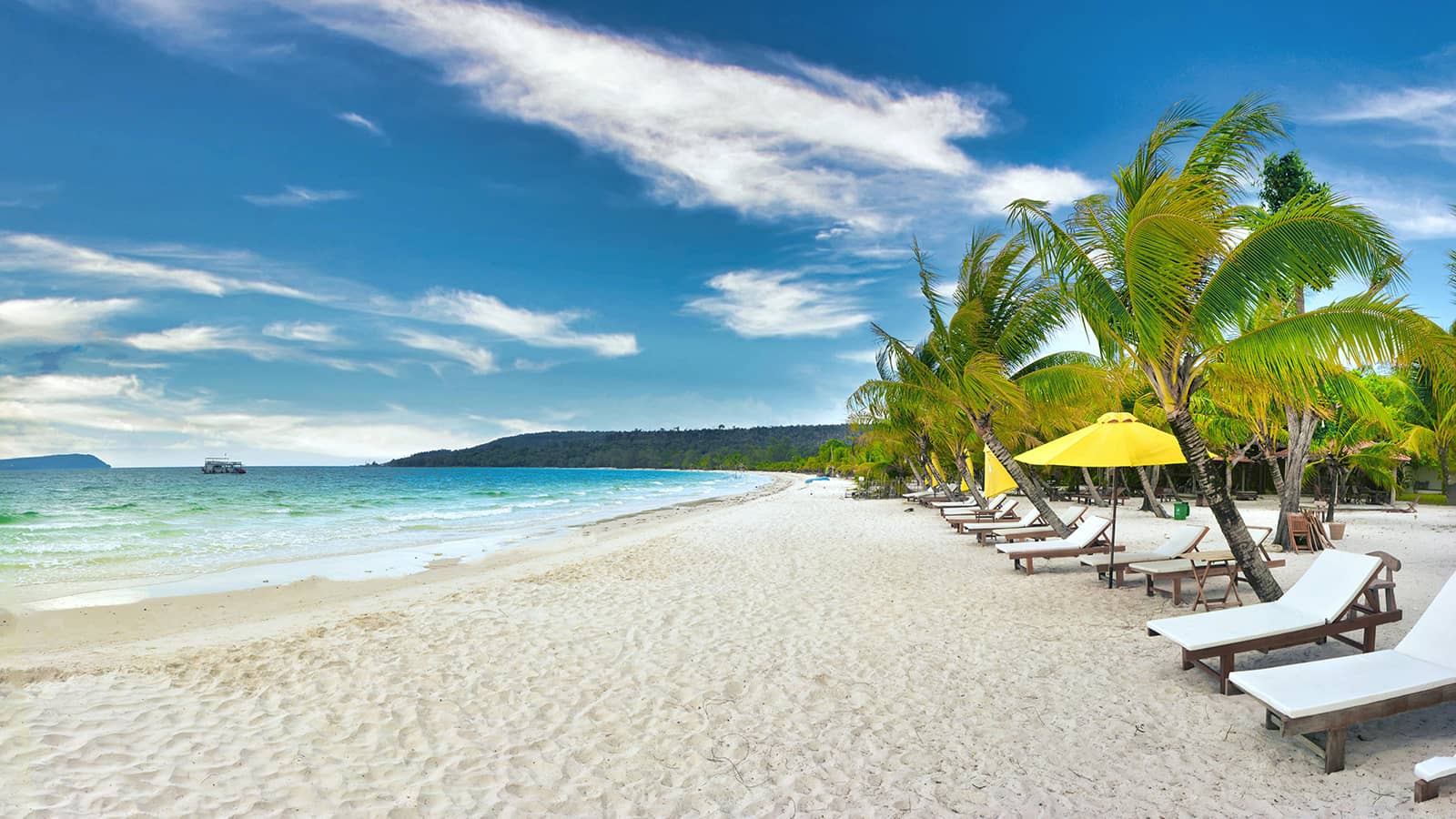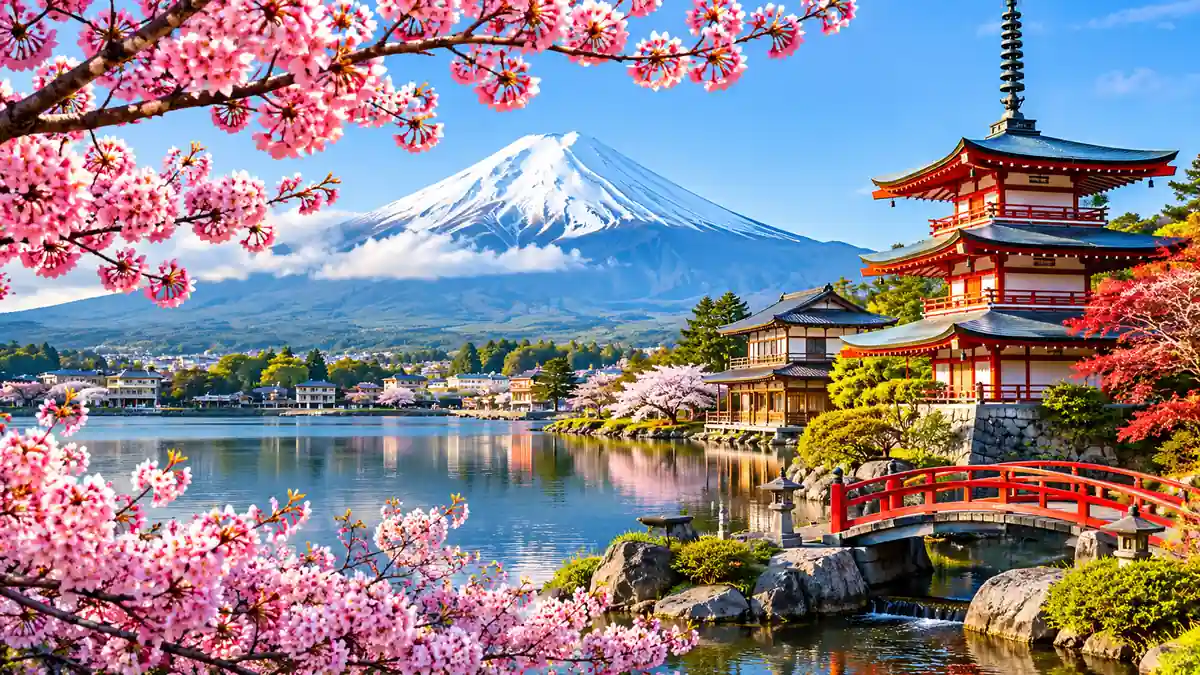
Japan offers an extraordinary mix of futuristic cities, centuries-old temples, mountain landscapes, traditional villages, and tropical islands. The challenge isn’t finding somewhere worth visiting. It’s choosing which places deserve your limited travel time.
The best destinations to visit in japan include Tokyo, Kyoto, Osaka, Mount Fuji, Nara, Hiroshima, Hokkaido, and Okinawa. First-time visitors often combine Tokyo’s modern attractions with Kyoto’s historic temples and Osaka’s food culture, while returning travelers explore quieter regions such as Kanazawa, Takayama, and the Japanese Alps.
From cherry blossoms in spring to colorful autumn foliage, each season reveals a different side of the country. This guide explores 20 memorable destinations, what makes each special, when to visit, and how to plan a rewarding journey.
Best destinations to visit in japan: A Quick Comparison
Japan stretches across several major islands, with distinct climates, landscapes, and cultural traditions. Honshu contains many of the country’s most famous cities, while Hokkaido is known for outdoor adventures, Kyushu for volcanic scenery and hot springs, and Okinawa for subtropical beaches.
| Destination | Best known for | Ideal stay |
|---|---|---|
| Tokyo | Modern culture, shopping, food | 3–5 days |
| Kyoto | Temples, shrines, traditional streets | 3–4 days |
| Osaka | Street food, nightlife, entertainment | 2–3 days |
| Mount Fuji and Fuji Five Lakes | Mountain scenery, lakes, hiking | 1–3 days |
| Nara | Deer, historic temples | 1 day |
| Hiroshima | Peace history, cultural attractions | 1–2 days |
| Miyajima | Itsukushima Shrine, island scenery | 1 day |
| Hokkaido | Snow, national parks, flowers | 4–7 days |
| Okinawa | Beaches, snorkeling, island culture | 4–6 days |
| Kanazawa | Gardens, samurai districts, crafts | 1–2 days |
| Takayama | Traditional architecture, mountain culture | 1–2 days |
| Shirakawa-go | Historic thatched-roof houses | Half day–1 day |
| Hakone | Hot springs, art museums, Fuji views | 1–2 days |
| Nikko | UNESCO shrines, waterfalls | 1–2 days |
| Kamakura | Great Buddha, temples, coastal atmosphere | 1 day |
| Nagano | Mountains, snow monkeys, temples | 2–3 days |
| Kobe | Harbor scenery, food, nearby mountains | 1–2 days |
| Fukuoka | Ramen, food stalls, urban culture | 2–3 days |
| Nagasaki | International history, harbor views | 2 days |
| Yakushima | Ancient forests, hiking, wildlife | 2–4 days |
These are suggested sightseeing durations, not fixed requirements. Travel time, weather, and personal interests can change how long you need.
Tokyo: Japan’s Dynamic Capital
Tokyo is an ideal starting point for first-time visitors. Japan’s capital combines high-rise neighborhoods, historic shrines, innovative museums, quiet gardens, and an enormous variety of restaurants.
Despite its size, Tokyo is relatively straightforward to explore using its extensive railway and subway networks.
Best things to do in Tokyo
Shibuya Crossing is one of Tokyo’s most recognizable landmarks, surrounded by shopping streets, restaurants, and entertainment venues. Nearby Harajuku is associated with youth fashion, while Omotesando features contemporary architecture and boutiques.
In Asakusa, Senso-ji Temple introduces visitors to the city’s older traditions. The famous Kaminarimon Gate leads toward Nakamise shopping street, where traditional snacks and souvenirs are available.
Other worthwhile experiences include:
- Visiting Meiji Jingu, a Shinto shrine surrounded by forest.
- Exploring Shinjuku’s entertainment streets and observation viewpoints.
- Discovering anime, electronics, and gaming culture in Akihabara.
- Walking through Ueno Park and visiting its museums.
- Experiencing digital installations at teamLab exhibitions.
Tokyo is also an excellent destination for Japanese food. Visitors can explore everything from sushi and ramen to tempura, yakitori, and regional specialties.
Best time to visit: March–May and October–November generally offer comfortable sightseeing conditions.
Travel tip: Stay near a well-connected railway station. Tokyo’s size makes convenient transportation more valuable than proximity to a single attraction.
Kyoto: Historic Temples and Traditional Japanese Culture
Kyoto served as Japan’s capital for more than a thousand years and remains one of the country’s most culturally significant destinations.
Its historic temples, gardens, traditional neighborhoods, and seasonal scenery make it particularly appealing to travelers interested in Japanese heritage.
Famous places to visit in Kyoto
Fushimi Inari Taisha is known for its thousands of vermilion torii gates winding up the forested slopes of Mount Inari. The pathways are especially atmospheric in the early morning.
Kinkaku-ji, commonly called the Golden Pavilion, is another iconic landmark. Its gold-covered upper floors reflect beautifully in the surrounding pond.
Kiyomizu-dera offers panoramic views over eastern Kyoto, while the nearby streets of Sannenzaka and Ninenzaka preserve a traditional atmosphere.
Arashiyama, on Kyoto’s western side, features a famous bamboo grove, riverside scenery, and historic temples.
The Gion district is associated with traditional wooden architecture, teahouses, and Kyoto’s geiko and maiko culture. Visitors should respect private property and photography restrictions.
Best time to visit: Spring for cherry blossoms and autumn for colorful maple leaves.
Travel tip: Kyoto’s major attractions can become crowded. Explore popular temples early and reserve time for less-visited neighborhoods.
Osaka: Street Food, Nightlife, and Entertainment
Osaka is famous for its energetic atmosphere and food culture. Compared with Kyoto’s traditional character, Osaka feels lively, informal, and entertainment-focused.
The city is especially popular with travelers who enjoy exploring restaurants, shopping districts, and nightlife.
What makes Osaka worth visiting?
Dotonbori is Osaka’s best-known entertainment district, recognizable by its neon signs and canal-side restaurants.
Local specialties include takoyaki, small batter balls traditionally filled with octopus, and okonomiyaki, a savory pancake prepared with cabbage and various toppings.
Osaka Castle is an important historic landmark surrounded by a spacious park. The present castle tower is a modern reconstruction containing historical exhibits.
Other attractions include the Osaka Aquarium Kaiyukan, the Shinsekai district, and Universal Studios Japan.
Osaka also works well as a base for day trips to Kyoto, Nara, and Kobe.
Best time to visit: Spring and autumn.
Travel tip: Explore Dotonbori after sunset for its most recognizable atmosphere, but visit smaller neighborhood restaurants for a broader experience of Osaka’s food scene.
Mount Fuji and the Fuji Five Lakes: Iconic Mountain Scenery
Mount Fuji is Japan’s highest mountain, rising to approximately 3,776 meters. Its symmetrical volcanic shape has inspired artists, poets, and travelers for centuries.
The mountain is both a major natural landmark and part of the UNESCO-listed Fujisan cultural World Heritage property.
Where can you get the best views of Mount Fuji?
Lake Kawaguchiko is among the most accessible places to admire the mountain. On clear days, visitors can see Mount Fuji reflected in the lake.
Chureito Pagoda, near Fujiyoshida, is another famous viewpoint, particularly during cherry blossom season and autumn.
The Fuji Five Lakes region also includes Lake Yamanakako, Lake Saiko, Lake Shojiko, and Lake Motosuko.
Travelers can enjoy cycling, boat rides, lakeside walks, museums, and scenic photography.
Climbing Mount Fuji is a separate experience that requires preparation. Official climbing seasons, route access, fees, and reservation rules can change, so hikers should consult the official Mount Fuji climbing information before planning an ascent.
Best time to visit: November–February often provides clearer mountain views, while summer is the traditional climbing period.
Travel tip: Mount Fuji is frequently hidden by clouds, even when surrounding towns have pleasant weather. Allow flexibility if mountain photography is a priority.
Nara: Ancient Temples and Friendly Deer
Nara was Japan’s first permanent capital during the eighth century and contains some of the country’s most significant Buddhist monuments.
Its compact historic area makes it an excellent day trip from Kyoto or Osaka.
Top attractions in Nara
Nara Park is famous for its free-roaming deer, which are traditionally regarded as messengers associated with Kasuga Taisha.
Visitors can purchase designated deer crackers, although the animals remain wild and should be approached carefully.
Todai-ji Temple houses a monumental bronze Buddha statue inside the Great Buddha Hall, one of Japan’s most impressive historic wooden structures.
Kasuga Taisha is known for its lantern-lined approaches, while Kofuku-ji preserves important Buddhist architecture and artworks.
Best time to visit: Spring and autumn.
Travel tip: Never feed deer ordinary human food. Follow park guidance, secure loose belongings, and avoid teasing animals with food.
Hiroshima: Peace Memorials and Cultural Heritage
Hiroshima offers a powerful opportunity to understand modern Japanese history while also discovering a vibrant contemporary city.
On August 6, 1945, Hiroshima became the first city subjected to an atomic bombing during wartime.
Today, the city’s memorial sites emphasize remembrance, education, and peace.
Important places to visit in Hiroshima
Hiroshima Peace Memorial Park includes monuments dedicated to the victims of the bombing.
The Atomic Bomb Dome, a UNESCO World Heritage Site, preserves the remains of a building near the explosion’s hypocenter.
The Hiroshima Peace Memorial Museum documents the bombing, its human consequences, and the experiences of survivors.
Beyond the memorial district, visitors can explore Shukkeien Garden, Hiroshima Castle, and local shopping streets.
Hiroshima-style okonomiyaki, prepared in layers and commonly featuring noodles, is a well-known regional dish.
Best time to visit: March–May and September–November.
Travel tip: Give the Peace Memorial Museum enough time for thoughtful exploration. Its exhibits can be emotionally difficult.
Miyajima: The Floating Torii Gate
Miyajima, officially called Itsukushima, is a scenic island near Hiroshima.
Its most famous attraction is Itsukushima Shrine, a UNESCO World Heritage Site recognized for its distinctive architecture and relationship with the surrounding sea.
The shrine’s large torii gate appears to float when the tide is high.
At low tide, visitors can sometimes walk across the exposed shore toward the gate, subject to local conditions and restrictions.
Mount Misen offers forest trails and panoramic views across the Seto Inland Sea. A ropeway provides access toward the upper mountain area, although walking is still required to reach the summit.
Miyajima is also known for momiji manju, maple-leaf-shaped cakes with various fillings.
Best time to visit: Spring and autumn.
Travel tip: Check the tide timetable before visiting. High and low tides create noticeably different views of Itsukushima Shrine.
Hokkaido: Snowy Landscapes, Lavender Fields, and National Parks
Hokkaido, Japan’s northernmost main island, is one of the country’s finest destinations for outdoor adventures.
Its wide-open landscapes, snowy winters, national parks, and relatively cool summers create a different experience from the densely populated cities of central Japan.
Best places to explore in Hokkaido
Sapporo, Hokkaido’s largest city, is known for its winter festival, local food, and urban attractions. The Sapporo Snow Festival features large snow and ice sculptures, typically in February.
Niseko is internationally recognized for skiing and snowboarding, especially its powder snow.
During summer, Furano attracts visitors with colorful flower fields, including lavender, while nearby Biei is known for rolling hills and scenic countryside.
Shiretoko National Park, a UNESCO World Heritage Site, protects remarkable wildlife habitats and coastal landscapes.
Daisetsuzan National Park offers mountain hiking, alpine scenery, and some of Japan’s earliest autumn colors.
Best time to visit: December–February for winter sports; June–August for flowers and outdoor exploration.
Travel tip: Hokkaido is much larger than many visitors expect. Allow several days for travel between major attractions.
Okinawa: Tropical Beaches and Island Adventures
Okinawa offers a striking contrast to mainland Japan. Located far to the south, the prefecture consists of subtropical islands with turquoise waters, coral reefs, sandy beaches, and a distinctive cultural identity.
Its heritage reflects the history of the Ryukyu Kingdom, which developed its own traditions and international connections.
What are the best islands in Okinawa?
Okinawa Main Island is home to Naha, the prefectural capital. Visitors can explore Shuri Castle Park, traditional markets, historical sites, and nearby beaches.
Ishigaki Island is known for its scenic coastline, snorkeling opportunities, and access to the Yaeyama Islands.
Miyakojima attracts travelers with clear water, beautiful beaches, and coastal bridges.
The Kerama Islands are especially popular for snorkeling and diving, with opportunities to observe colorful marine life.
Okinawan cuisine includes goya champuru, Okinawa soba, and dishes influenced by the islands’ distinctive history.
Best time to visit: April–June and October can be appealing for warm-weather activities, although conditions vary. The rainy season and typhoon risk require attention.
Travel tip: Check weather forecasts and ferry schedules carefully when planning island-hopping trips.
Kanazawa: Traditional Gardens and Samurai Heritage
Kanazawa is one of the best destinations for travelers who appreciate traditional Japanese culture but want an alternative to Kyoto’s busiest sightseeing districts.
Located on the Sea of Japan coast, the city preserves historic neighborhoods, gardens, crafts, and culinary traditions.
What to see in Kanazawa
Kenrokuen is considered one of Japan’s three celebrated landscape gardens. Its ponds, bridges, carefully shaped trees, and seasonal flowers make it attractive throughout the year.
The Higashi Chaya District features traditional wooden buildings associated with historic teahouse culture.
Nagamachi Samurai District preserves narrow streets, earthen walls, and residences connected to the city’s samurai history.
Kanazawa Castle Park offers further insight into the city’s feudal past.
Omicho Market is popular for seafood and regional ingredients, while local workshops introduce visitors to gold-leaf decoration and traditional crafts.
Best time to visit: Spring and autumn, although winter snow creates particularly atmospheric garden scenery.
Travel tip: Combine Kanazawa with Takayama and Shirakawa-go for a journey focused on traditional architecture and regional culture.
Takayama: Traditional Streets in the Japanese Alps
Takayama is a charming mountain city in Gifu Prefecture, known for its preserved Edo-period streets and traditional atmosphere.
Surrounded by the Hida Mountains, it offers a quieter experience than Japan’s major metropolitan destinations.
Best experiences in Takayama
Sanmachi Suji, the historic old-town district, contains wooden merchant houses, sake breweries, and traditional shops.
Morning markets provide opportunities to discover local produce, crafts, and regional foods.
Hida Folk Village is an open-air museum featuring historic rural buildings from the surrounding region.
Takayama is also famous for Hida beef and the Takayama Festival, celebrated in spring and autumn with elaborate festival floats.
Best time to visit: April–May and October–November.
Travel tip: Stay overnight to experience the old town early in the morning, before many day-trip visitors arrive.
Shirakawa-go: A Historic Mountain Village
Shirakawa-go is a UNESCO World Heritage village famous for its traditional gassho-zukuri farmhouses.
These buildings feature steep thatched roofs designed to withstand heavy snowfall. Their shape resembles hands joined in prayer, which explains the architectural name.
Why is Shirakawa-go special?
The village preserves a traditional mountain settlement shaped by agricultural life, local craftsmanship, and the challenges of a snowy climate.
Ogimachi is the main village area visited by tourists. Some historic houses are open to the public, offering insight into rural Japanese life.
The Shiroyama viewpoint provides an elevated perspective of the village and its surrounding mountains.
Shirakawa-go is beautiful throughout the year, but winter is especially memorable when snow covers the traditional rooftops.
Best time to visit: January–February for snow, or May–October for green landscapes.
Travel tip: The village is a living community, not an outdoor museum. Respect residents’ privacy and avoid entering restricted areas. Winter illumination events may require advance reservations.
Hakone: Hot Springs, Art, and Mount Fuji Views
Hakone is a popular mountain resort area southwest of Tokyo, known for its hot springs, art museums, volcanic landscapes, and occasional views of Mount Fuji.
Its accessibility makes it an excellent short escape from the capital.
Things to do in Hakone
Lake Ashi offers scenic boat journeys, with mountain views on clear days.
Hakone Shrine is recognized for its lakeside torii gate, which has become a popular photography location.
The Hakone Open-Air Museum combines sculpture and modern art with natural surroundings.
Owakudani is an active volcanic area known for steaming vents and sulfurous scenery. Access may be restricted when volcanic activity increases.
Visitors can also experience an onsen, a traditional Japanese hot spring bath, at local hotels and bathhouses.
Best time to visit: Spring and autumn, with winter offering opportunities for clearer Mount Fuji views.
Travel tip: A traditional ryokan stay with an onsen can be a memorable part of a Hakone visit. Check bathing rules and tattoo policies before arrival.
Nikko: Ornate Shrines and Mountain Waterfalls
Nikko, located in Tochigi Prefecture north of Tokyo, combines elaborate religious architecture with beautiful mountain scenery.
Its historic shrines and temples form a UNESCO World Heritage Site.
Must-see attractions in Nikko
Nikko Toshogu Shrine is dedicated to Tokugawa Ieyasu, the founder of the Tokugawa shogunate. Its richly decorated buildings and intricate carvings make it one of Japan’s most distinctive shrine complexes.
Rinno-ji Temple and Futarasan Shrine are other significant religious landmarks.
Outside the historic center, Kegon Falls plunges approximately 97 meters near Lake Chuzenji.
The surrounding mountains are particularly impressive during autumn, when forests turn red, orange, and gold.
Best time to visit: October–November for autumn foliage, or May–June for greenery.
Travel tip: Nikko’s historic center and the Lake Chuzenji area are separated by mountain roads. An overnight stay provides more flexibility than a rushed day trip.
Kamakura: Coastal Temples and the Great Buddha
Kamakura is a historic coastal city south of Tokyo, famous for Buddhist temples, shrines, walking trails, and a relaxed seaside atmosphere.
It served as the political center of Japan during the Kamakura shogunate.
Best places to visit in Kamakura
The Great Buddha of Kamakura, located at Kotoku-in Temple, is a monumental bronze statue of Amida Buddha.
Hase-dera Temple is known for its gardens, religious sculptures, and seasonal flowers.
Tsurugaoka Hachimangu is Kamakura’s principal Shinto shrine, reached by a broad approach through the city.
Komachi Street features shops, cafés, snacks, and souvenirs.
Nearby Yuigahama Beach provides an opportunity to enjoy the coast, while the Enoden railway connects Kamakura with neighboring seaside areas.
Best time to visit: March–June and September–November.
Travel tip: Kamakura is easily accessible from Tokyo, making it suitable for a day trip without changing hotels.
Nagano: Mountains, Snow Monkeys, and Historic Temples
Nagano Prefecture is a mountain destination known for winter sports, historic temples, alpine scenery, and traditional hot spring towns.
The region hosted many events during the 1998 Winter Olympics and remains a major center for skiing and snowboarding.
Top attractions in Nagano
Jigokudani Yaen Koen is famous for Japanese macaques that sometimes bathe in a natural hot spring pool.
The monkeys are wild animals, and sightings or bathing behavior cannot be guaranteed.
Zenko-ji Temple, in Nagano City, is an important Buddhist pilgrimage destination with a long history.
Hakuba Valley offers internationally recognized ski resorts and summer hiking opportunities.
Matsumoto Castle, located in nearby Matsumoto, is one of Japan’s most impressive surviving historic castles.
Kamikochi, in the Northern Japanese Alps, features mountain scenery, clear rivers, and walking trails. Access is seasonal and private vehicles are restricted.
Best time to visit: December–March for winter activities; May–October for mountain scenery.
Travel tip: Check seasonal transport and trail access before visiting alpine destinations.
Kobe: Harbor Views, Mountain Scenery, and Food
Kobe is a cosmopolitan port city in Hyogo Prefecture, located between the Rokko Mountains and Osaka Bay.
Its international history, scenic waterfront, and food culture make it a rewarding stop in the Kansai region.
Best things to do in Kobe
Meriken Park is a popular waterfront area featuring modern architecture and harbor views.
Kobe Harborland offers shopping, restaurants, and evening scenery.
The Kitano Ijinkan district preserves historic Western-style residences associated with foreign merchants and diplomats.
Visitors can ride the ropeway to Kobe Nunobiki Herb Gardens for elevated city views.
Kobe is internationally associated with Kobe beef, a certified regional type of Japanese wagyu.
Nearby Mount Rokko offers hiking, viewpoints, and seasonal outdoor activities.
Best time to visit: March–May and October–November.
Travel tip: Kobe is close enough to Osaka and Kyoto for a day trip, although staying overnight allows more time to explore its harbor atmosphere.
Fukuoka: Ramen, Food Stalls, and Kyushu Culture
Fukuoka is the largest city on Kyushu and an excellent introduction to southern Japan.
Known for its welcoming atmosphere, food culture, and convenient transportation, it combines urban attractions with easy access to coastal scenery.
What is Fukuoka famous for?
Hakata ramen, made with a rich pork-bone broth and thin noodles, is one of the city’s signature dishes.
Fukuoka’s yatai, traditional outdoor food stalls, are particularly associated with areas such as Nakasu and Tenjin.
Ohori Park provides a peaceful escape with walking paths surrounding a large pond.
Canal City Hakata is a shopping and entertainment complex, while the ruins of Fukuoka Castle offer a glimpse into the city’s history.
Dazaifu Tenmangu, outside central Fukuoka, is a major Shinto shrine dedicated to Sugawara no Michizane, associated with scholarship and learning.
Best time to visit: March–May and October–November.
Travel tip: Fukuoka works well as a gateway for exploring Kyushu destinations such as Nagasaki, Kumamoto, and Beppu.
Nagasaki: Harbor History and Cultural Diversity
Nagasaki has one of Japan’s most distinctive histories, shaped by international trade, Christianity, and its role as a historic port.
The city is also known for its experience of the atomic bombing on August 9, 1945.
Important attractions in Nagasaki
Nagasaki Peace Park and the Atomic Bomb Museum preserve the memory of the bombing and communicate its devastating human consequences.
Dejima was historically an important center of trade between Japan and the Netherlands during the country’s period of restricted foreign relations.
Oura Cathedral reflects the history of Christianity in Japan and forms part of the UNESCO-listed Hidden Christian Sites in the Nagasaki Region.
Glover Garden contains historic Western-style residences overlooking the harbor.
Mount Inasa offers panoramic views of the city, especially after dark.
Visitors may also explore the city’s Chinatown and try champon, a regional noodle dish.
Best time to visit: Spring and autumn.
Travel tip: Nagasaki’s attractions are spread across hills and waterfront neighborhoods. Use trams and other public transport to reduce unnecessary walking.
Yakushima: Ancient Cedar Forests and Natural Wonders
Yakushima is a mountainous island south of Kyushu, celebrated for its ancient cedar forests, rich biodiversity, and dramatic rainfall.
Part of the island is protected as a UNESCO World Natural Heritage Site.
Why visit Yakushima?
Yakushima’s forests contain ancient Japanese cedar trees known as yakusugi.
Jomon Sugi is among the island’s most famous trees, although reaching it requires a demanding hike.
Shiratani Unsuikyo offers atmospheric forest trails lined with moss-covered rocks, streams, and towering trees.
The island’s mountainous interior receives substantial rainfall, creating lush vegetation and powerful waterfalls.
Yakushima also has coastal areas where sea turtles nest seasonally.
Best time to visit: Spring and autumn, although weather conditions can be unpredictable throughout the year.
Travel tip: Bring waterproof clothing and appropriate hiking equipment. Some trails are challenging, and weather can change rapidly.
How to Choose the Best destinations to visit in japan
With so many remarkable places, the most effective way to plan a trip is to choose destinations that match your interests rather than attempting to visit everything.
Explore the destinations on a map
Markers for broad regions such as Hokkaido and Okinawa use representative cities. The map shows the geographical spread of the 20 destinations.
Best destinations for first-time visitors
Tokyo, Kyoto, Osaka, Nara, and Mount Fuji offer a balanced introduction to modern life, traditional culture, cuisine, and scenery.
Best destinations for nature lovers
Hokkaido, Yakushima, Nagano, and the Fuji Five Lakes region provide excellent opportunities for hiking, wildlife observation, and outdoor photography.
Best destinations for Japanese history
Kyoto, Nara, Nikko, Kanazawa, Hiroshima, and Nagasaki offer meaningful insight into different periods of Japanese history.
Best destinations for beaches
Okinawa is the strongest choice for travelers prioritizing tropical beaches, snorkeling, and island scenery.
Best destinations for food lovers
Osaka, Tokyo, Fukuoka, Kobe, and Hokkaido each have distinctive culinary traditions worth exploring.
Best Time to Visit Japan by Season
Japan is a year-round destination, but seasonal conditions strongly influence the travel experience.
| Season | Months | Main attractions | Considerations |
|---|---|---|---|
| Spring | March–May | Cherry blossoms, mild weather, gardens | Crowds and higher accommodation demand |
| Summer | June–August | Festivals, alpine hiking, Hokkaido flowers | Heat, humidity, rain, possible typhoons |
| Autumn | September–November | Colorful foliage, pleasant sightseeing | Peak foliage crowds |
| Winter | December–February | Skiing, snow festivals, hot springs | Cold weather and mountain travel disruptions |
Spring: Cherry Blossom Season
Cherry blossom season is among Japan’s most celebrated travel periods.
Tokyo, Kyoto, Osaka, Nara, and many other cities offer beautiful sakura viewing locations.
However, blooming dates vary considerably by region and year. Flowers generally appear earlier in warmer southern areas and later in northern Japan.
Travelers should monitor seasonal forecasts rather than assuming blossoms will peak on fixed dates.
Summer: Festivals and Mountain Escapes
Summer brings major festivals, fireworks, and outdoor activities.
Popular events include Kyoto’s Gion Matsuri and the Aomori Nebuta Festival.
Although central Japan can become hot and humid, Hokkaido and higher mountain areas often provide more comfortable conditions.
Autumn: Colorful Foliage
Autumn is particularly attractive for photography, temple visits, and scenic walks.
Kyoto, Nikko, Hakone, and Nagano are well-known foliage destinations.
The timing of peak colors varies with elevation, latitude, and annual weather patterns.
Winter: Snow and Hot Springs
Winter is ideal for skiing in Hokkaido and Nagano, visiting snow-covered villages, and relaxing in traditional hot springs.
Shirakawa-go, Niseko, Hakuba, and Sapporo are especially appealing during this season.
How Many Days Do You Need to Explore Japan?
The ideal trip length depends on how many regions you plan to visit.
7-day Japan itinerary
For one week, concentrate on the classic Tokyo–Kyoto–Osaka route.
| Day | Suggested destination |
|---|---|
| 1–3 | Tokyo |
| 4–5 | Kyoto |
| 6 | Nara day trip |
| 7 | Osaka |
This itinerary provides a useful introduction without requiring extensive long-distance travel.
Travelers departing from Tokyo rather than Osaka should allow time for the return journey.
10-day Japan itinerary
With ten days, travelers can add Mount Fuji or Hakone to the classic route.
A practical distribution is three days in Tokyo, two days around Hakone or the Fuji Five Lakes, three days in Kyoto, and two days in Osaka, including an optional Nara excursion.
This combination offers a satisfying balance of cities, natural scenery, and traditional culture.
14-day Japan itinerary
Two weeks allows a more varied journey.
One option is to explore Tokyo, Hakone, Kyoto, Osaka, Hiroshima, and Miyajima.
Another is to replace Hiroshima with Kanazawa, Takayama, and Shirakawa-go for a stronger focus on mountain villages and historic architecture.
Hokkaido and Okinawa are generally better treated as separate regional trips unless you have additional time.
How to Travel Between Japan’s Top Destinations
Japan’s transportation network is one of its greatest advantages for travelers.
Shinkansen bullet trains
The Shinkansen connects major cities such as Tokyo, Kyoto, Osaka, Hiroshima, and Fukuoka.
It is especially useful for journeys along the Tokaido and Sanyo corridors.
Some rural destinations require transfers to local trains or buses.
Japan Rail Pass
The Japan Rail Pass provides eligible international visitors with access to many JR train services over a fixed period, subject to coverage rules and exclusions.
It is not automatically the cheapest option.
Following the October 2026 pricing changes, the ordinary seven-day nationwide pass is priced at ¥53,000 through authorized distributors, while a temporary ¥50,000 price is retained through the official online channel.
Travelers should compare individual ticket costs, regional passes, and the nationwide pass before deciding.
Domestic flights
Domestic flights are often practical for long journeys to Hokkaido, Okinawa, and distant parts of Kyushu.
Flight prices, baggage allowances, and airport transfer costs should be included when comparing transportation options.
Local trains, buses, and IC cards
Major cities have extensive public transport networks.
Rechargeable IC cards, such as Suica, PASMO, and ICOCA, simplify payment on many participating trains, buses, and other services.
However, not every rural route or transport provider accepts the same payment methods.
Renting a car
A rental car can be helpful in rural Hokkaido, parts of Okinawa, and remote mountain areas.
Visitors must meet Japan’s driving-license requirements, which vary according to the country and type of license.
Practical Tips for Visiting Japan
A successful trip depends on more than choosing attractive destinations. Small planning decisions can make a substantial difference.
- Avoid overloading your itinerary. Moving hotels every day reduces time available for sightseeing.
- Reserve accommodation early during peak seasons. Cherry blossom periods, Golden Week, and major holidays can create high demand.
- Carry some cash. Cards are widely accepted, but smaller businesses and rural facilities may still prefer cash.
- Learn basic Japanese expressions. Simple greetings and polite phrases can make everyday interactions easier.
- Respect local etiquette. Follow rules at shrines, temples, baths, and private properties.
- Prepare for variable weather. Japan’s climate ranges from snowy northern mountains to subtropical southern islands.
- Check accessibility. Historic sites, mountain paths, and older accommodation may have stairs or uneven surfaces.
- Travel with suitable luggage. Compact luggage is easier to manage on crowded trains and through busy stations.
- Review natural-hazard information. Japan experiences earthquakes, typhoons, and occasional volcanic activity.
- Verify official entry requirements. Visa rules and passport requirements depend on nationality and travel circumstances.
For regional planning and official visitor guidance, the Japan National Tourism Organization destination guide provides a useful starting point.
Common Mistakes to Avoid When Planning a Japan Trip
One common mistake is trying to combine too many distant destinations in a short vacation.
For example, Tokyo, Kyoto, Hokkaido, and Okinawa are all worthwhile, but visiting all four in a week would involve significant transportation time.
Another mistake is assuming every famous attraction looks the same throughout the year. Mount Fuji may be hidden by clouds, cherry blossoms last only a limited period, and alpine trails can be inaccessible in winter.
Travelers also sometimes underestimate the popularity of major attractions. Kyoto’s most famous temples and Tokyo’s entertainment districts can become extremely crowded during holidays.
Finally, it is worth checking whether reservations are required for specific attractions, museums, festivals, or outdoor activities. Requirements can change, and arriving without a reservation may limit access.
The most enjoyable itineraries usually balance well-known landmarks with time for spontaneous discoveries.
Final Thoughts on the Best destinations to visit in japan
The best destinations to visit in japan offer far more than famous landmarks. Tokyo reveals the country’s modern energy, Kyoto preserves centuries of cultural heritage, and Osaka celebrates its vibrant food traditions. Meanwhile, Hokkaido, Okinawa, the Japanese Alps, and Yakushima showcase Japan’s remarkable natural diversity.
For a first visit, Tokyo, Kyoto, Osaka, and a short excursion to Mount Fuji or Nara provide an excellent foundation. Travelers with more time can explore Hiroshima, Kanazawa, Takayama, and other regional destinations.
Rather than trying to see everything in one journey, choose a few complementary locations, allow enough time to appreciate them, and plan around the season. Japan rewards travelers who explore both its celebrated attractions and its quieter corners.