Namibia travel doesn’t ease you in. One day you’re watching a rhino cross a dirt track at sunrise, the next you’re standing on a dune taller than a football field, and two hours later you’re eating fresh oysters in a German-colonial seaside town shrouded in fog. Namibia travel rewards people who plan carefully and punishes people who wing it — this guide is built to get you into the first camp.
Quick answer: Namibia travel typically means a self-drive or guided road trip covering Etosha National Park, Sossusvlei’s dunes, and the Skeleton Coast, best done during the June–October dry season. Most visitors now need a Visa on Arrival or e-Visa (rules changed April 2025), a 4×4 for remote routes, and 10–14 days minimum to do the country justice.
Namibia Travel — Why It Belongs on Your List
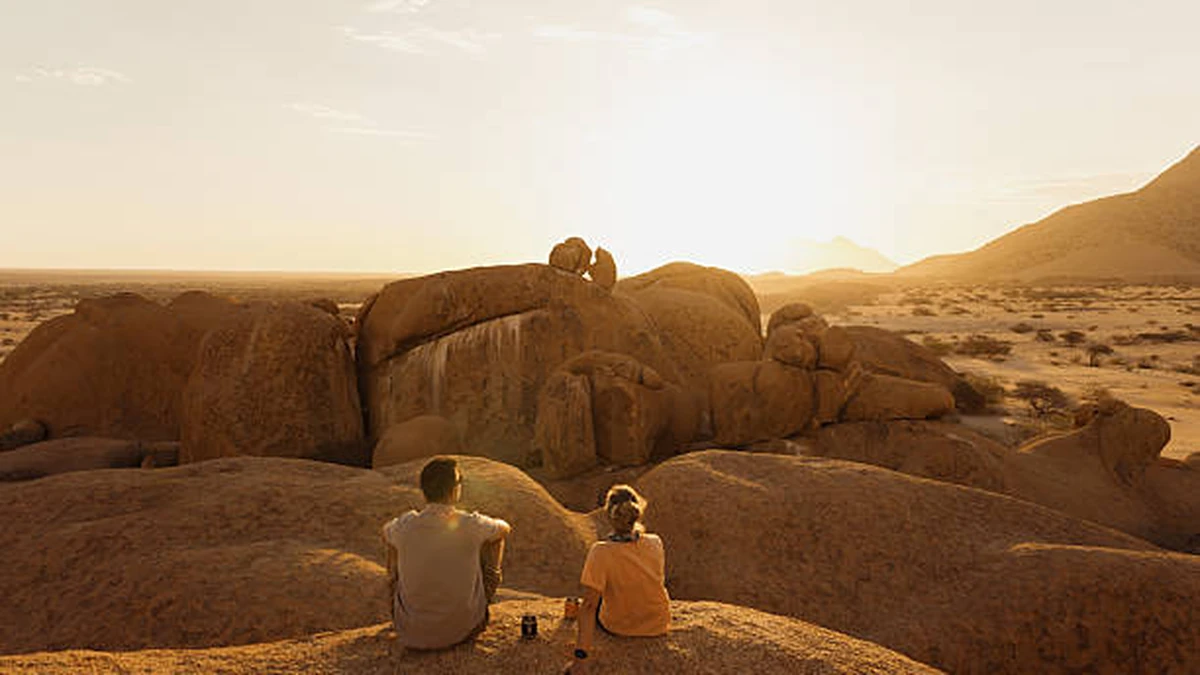
Namibia travel means one of the least densely populated countries on earth, and it shows. You can drive for hours through the Namib Desert — the world’s oldest desert — without seeing another car, then round a bend and find a herd of oryx standing in the heat shimmer like they own the place. The country holds more than 100 mammal species and over 300 bird species, spread across landscapes that shift from towering red dunes to gravel plains to a rugged, foggy coastline locals call the Skeleton Coast because of the shipwrecks scattered along it.
What sets Namibia apart from other African safari destinations is independence. Unlike many parks where guided game drives are mandatory, Etosha and much of the country are built for self-drive travel on well-marked (if rough) roads. That freedom is exactly why so many travelers describe their Namibia trip as the best they’ve ever taken — and exactly why it demands more homework than a typical beach holiday.
Namibia Travel Seasons: Best Time to Visit
Namibia travel works year-round, but the dry season — roughly June through October — is when wildlife viewing peaks. Animals cluster around the remaining waterholes in Etosha, making sightings easier and more predictable. It’s also winter in the southern hemisphere, so days are warm and dry while nights, especially in the desert, get genuinely cold.
The trade-off: June through August is peak season, prices climb, and popular lodges can book out a year in advance. If you want a quieter trip and don’t mind more heat, the shoulder months (April–May, September–October) offer a good balance of decent wildlife activity and lower costs. The green season (November–March) brings dramatic skies, newborn animals, and migratory birds, but wildlife spreads out and some gravel roads get harder to manage after rain.
Quick Takeaway: Book dry-season lodges 9–12 months out. If your dates are flexible, shoulder season gives you 80% of the wildlife experience for noticeably less money and fewer crowds.
Namibia Travel Visa Requirements (Updated for 2026)
This is the section most Namibia travel guides get wrong, because the rules changed on April 1, 2025. Namibia now requires most nationalities — including the US, UK, Canada, Australia, and most EU countries — to obtain either an e-Visa in advance or a Visa on Arrival at entry, after previously allowing visa-free entry for many of these travelers.
Here’s what to know before you fly:
| Requirement | Detail |
|---|---|
| Passport validity | At least 6 months beyond entry date, with 3+ blank pages |
| Visa type | Visa on Arrival (default 30 days, extendable to 90) or e-Visa applied in advance |
| Where to get Visa on Arrival | Hosea Kutako International Airport, Walvis Bay, and major land borders |
| Cost | Roughly N$1,600 (~$90 USD) for most non-African Union travelers |
| Return ticket | Mandatory |
| Yellow fever certificate | Required only if arriving from or transiting a yellow-fever-endemic country |
| Extensions | Apply at the Ministry of Home Affairs in Windhoek before your visa expires |
If your itinerary crosses into Botswana, Zambia, or South Africa and back, tell the immigration officer at entry — you can request a multiple-entry stamp on the spot so re-admission is smoother. Check the official Namibian e-Services portal or your nearest embassy before booking, since visa policy is one of the few things about this country that changes fast.
Namibia Travel Logistics: Self-Drive vs. Guided Tours
Most Namibia travel happens by road, and how you drive it shapes the entire trip.
Self-drive gives you total flexibility to change plans, linger at a waterhole, or skip a stop that isn’t working. A 4×4 is strongly recommended — not for looks, but because routes into Damaraland, the Zambezi Region, or off paved highways involve deep gravel, sand, and corrugations that a sedan struggles with. Rentals are easiest to arrange in Windhoek; check reviews carefully, since service quality varies more than the vehicles themselves.
Guided tours make sense if you’re short on time, nervous about remote driving, or traveling in the green season when road conditions are less predictable. Guides also share real-time wildlife sightings with each other by radio, which matters more than people expect during quieter months.
Whichever you choose, respect the distances. Namibia is enormous, and what looks like a two-hour drive on the map is often four once you factor in gravel roads. Space out long driving days, fuel up whenever you see a station (don’t assume the next town has one), and download offline maps before you lose signal — which will happen often. A local SIM card, picked up at Windhoek airport, is cheap and worth getting for the occasional bar of connectivity.
Namibia Travel Itinerary — Where to Go
A first Namibia travel itinerary usually runs 10–14 days and loops through these anchor destinations.
Etosha National Park
Namibia’s flagship safari destination centers on a vast salt pan ringed by a single main road, which makes self-drive game viewing surprisingly manageable. Expect sightings of zebra, springbok, kudu, wildebeest, giraffe, and — with luck — lion and black rhino.
Sossusvlei & Deadvlei
The postcard image of Namibia: towering orange dunes, including the famous Big Daddy, surrounding a white clay pan dotted with centuries-dead camel thorn trees. Arrive at sunrise, both for the light and to beat the heat on the dune climb.
Swakopmund & the Skeleton Coast
A quirky, fog-cooled coastal town with German colonial architecture, adventure activities, and easy access to the Skeleton Coast’s shipwrecks and seal colonies. Sandwich Harbour, where dunes meet the Atlantic, is only accessible by guided tour but is worth the detour.
Damaraland
Often skipped by first-timers and often called the trip’s biggest surprise once they get there. Expect dramatic rock formations, desert-adapted elephants, and far fewer tourists than Etosha or Sossusvlei.
Fish River Canyon
One of the largest canyons in the world, best visited for sunrise or sunset views and multi-day hikes for the more adventurous.
Zambezi Region
Formerly known as the Caprivi Strip, this lush, riverside region in the far northeast feels like a different country — hippos at night, boat trips at sunset, and a green landscape that contrasts sharply with the desert south.
Namibia Travel Costs — What to Budget
Namibia travel isn’t cheap, but costs scale with how you travel. Camping and self-driving with a rented 4×4 keeps daily spend moderate — fuel, campsite fees, groceries, and park entry add up but stay predictable. Staying in lodges, especially during dry season, pushes costs up quickly, since remote luxury camps charge premium rates for the logistics of running a property in the middle of the desert. Guided multi-day tours bundle transport, guiding, and accommodation, which simplifies budgeting but costs more than doing it yourself. Whichever route you choose, budget extra for the ~$90 USD visa fee, fuel (prices are highest in remote areas), and a buffer for the inevitable unplanned stop at a lodge or activity you didn’t expect to love.
Namibia Travel Safety, Health, and Packing
Namibia travel is widely considered one of Africa’s safer countries to travel independently, but it isn’t risk-free. Most incidents reported by visitors are non-violent crimes of opportunity — pickpocketing, ATM skimming, and break-ins at roadside rest stops — rather than violent crime. Keep car doors locked, avoid displaying valuables, and be cautious of anyone flagging you down on remote roads.
Medical care is limited outside Windhoek and larger towns, so travel insurance with evacuation coverage is worth having, and prescription medication should stay in original packaging with your prescription on hand. Tap water isn’t always potable in rural areas, so stick to bottled or treated water when in doubt.
For packing, plan for both desert heat and cold desert nights: layers, a warm jacket even in summer, sun protection, a reusable water bottle, and a basic first-aid kit. If you’re self-driving, add a paper map or offline GPS app as backup — cell signal is unreliable through much of the country.
Namibia Travel: The Honest Pros and Cons
Namibia travel earns the country its “adventure fantasyland” reputation, but a fair guide should set real expectations.
What works: the sense of space and solitude is unmatched; self-drive freedom lets you build your own trip; wildlife encounters feel earned rather than staged; locals are often genuinely warm rather than performatively friendly.
What’s harder than people expect: road quality on popular routes has been reported as declining in recent years, making long drives uncomfortable and, at times, tricky in a standard sedan. Popular camps and lodges book out well in advance, so spontaneous, unplanned travel is difficult — you’ll likely end up following a semi-fixed route whether you meant to or not. Planning takes longer than most trips, since many camp websites and contact channels are outdated. None of this is a reason to skip Namibia — it’s a reason to build in buffer time and book key stops early.
Final Thoughts
Namibia travel isn’t a trip you improvise on the fly, and that’s part of what makes it memorable. Nail the timing, sort your visa before you land, choose the right vehicle for your route, and you’ll come away with the kind of stories that don’t need much exaggeration. Start by locking in your dates against the dry season, apply for your Visa on Arrival or e-Visa early, and book your Etosha and Sossusvlei stops first — the rest of the itinerary tends to fall into place around them.
For more destination guides and trip-planning tips, explore our full travel guide collection.
FAQ Section
Is Namibia safe for tourists?
Namibia is generally considered one of Africa’s safer countries for independent travel. Most reported incidents are non-violent, such as pickpocketing or ATM skimming, rather than violent crime, though caution at roadside stops and remote areas is still recommended.
How many days do you need in Namibia?
Most first-time visitors need 10–14 days to comfortably cover Etosha, Sossusvlei, Swakopmund, and the Skeleton Coast without excessive daily driving. Shorter trips of 7 days are possible but require cutting one or more major regions.
Do I need a visa to travel to Namibia?
As of April 1, 2025, most nationalities, including the US, UK, Canada, and most EU countries, need either a Visa on Arrival or an e-Visa applied for in advance. Check the current exemption list before booking, since it changes.
What is the best time of year to visit Namibia?
The dry season, June through October, offers the best wildlife viewing as animals gather at limited waterholes, though it’s also the busiest and most expensive time to visit. Shoulder months offer a good balance.
Can you self-drive in Namibia, or do you need a guided tour?
Self-driving is common and manageable on main routes with a 4×4, especially in Etosha. Guided tours are worth considering for remote regions, tighter timelines, or green-season travel when road conditions are less predictable.
How much does a Namibia trip cost per day?
Costs vary widely: budget self-drive campers keep costs moderate through camping and self-catering, while lodge-based or fully guided trips cost significantly more, especially during dry season. Fuel, park fees, and the visa fee add to any budget.
What should I pack for a Namibia trip?
Pack layers for hot days and cold desert nights, strong sun protection, a basic first-aid kit, a reusable water bottle, and offline maps or a GPS app as backup for areas without cell signal.
Is Namibia a good first African safari destination?
Yes, particularly for travelers who want more independence than a typical guided safari offers. Etosha’s single main road makes self-drive game viewing approachable even for first-timers, though remote regions still favor experienced or guided travelers.