Most people plan a Scotland trip around castles and lochs, then bolt on “maybe a distillery” as an afterthought. That’s backwards. With well over 140 working distilleries scattered from the Borders to Shetland, whisky isn’t a side activity in Scotland — it’s a legitimate reason to build an entire itinerary.
Scotch whisky distilleries are concentrated in five recognized regions — Speyside, the Highlands, Islay, the Lowlands, and Campbeltown — each producing a distinct style, from Speyside’s fruity, approachable malts to Islay’s smoky, peat-driven drams. Visitors can tour working distilleries, from small family operations to global names like Glenfiddich and Macallan.
I’ve spent enough time wandering between stills and warehouses to know the difference between a distillery tour worth your afternoon and one that’s just a gift shop with extra steps. Here’s how to actually plan this.
What Actually Makes a Whisky “Scotch”?
Locals rarely say “Scotch whisky” — they just say whisky. Scotch is simply the name for whisky made in Scotland, the same way nobody in Kentucky calls their pour “American bourbon.”
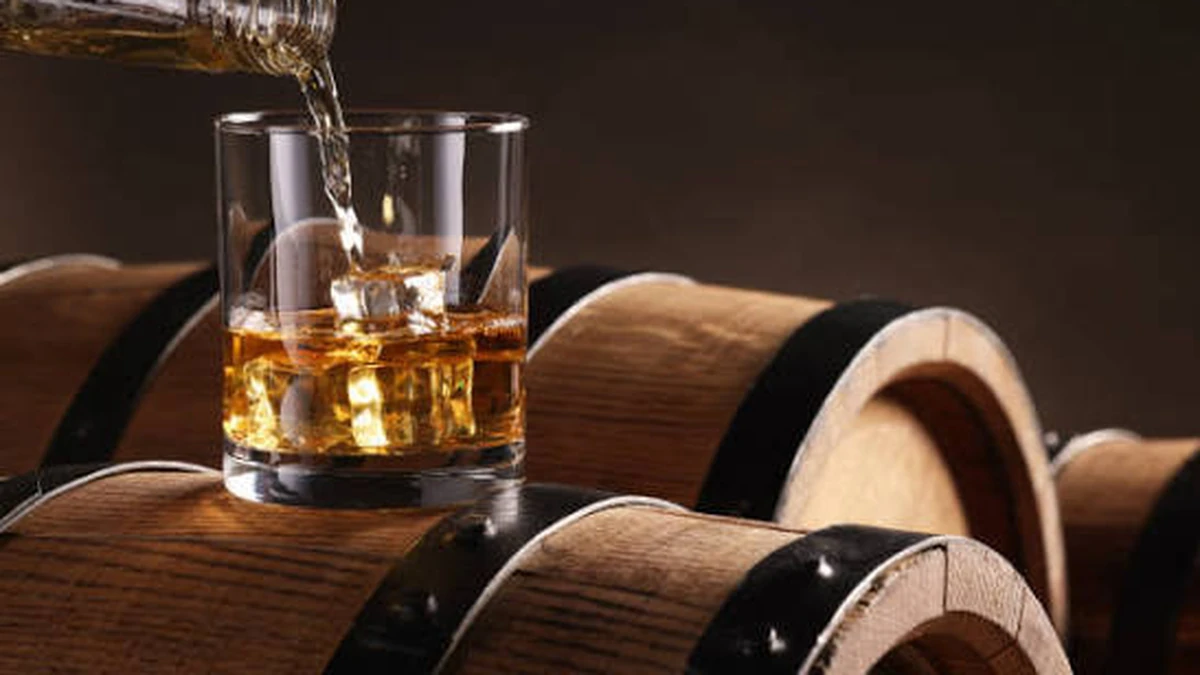
To legally carry the name, a whisky has to be distilled at a Scottish distillery, matured in oak casks on Scottish soil for a minimum of three years, and bottled at no less than 40% ABV. The Gaelic root of the word — uisge beatha, “water of life” — is where “whisky” itself came from.
There are two broad styles you’ll run into constantly:
- Single malt — made entirely at one distillery, from malted barley, in copper pot stills.
- Blended — a mix of whiskies from multiple distilleries, often combining single malts with grain whisky.
Single malts get most of the attention on labels and tour marketing, but blended Scotch — think Johnnie Walker, Chivas Regal, Famous Grouse — actually makes up more than 90% of everything sold. That distinction matters when you’re picking distilleries: some (like Glenkinchie) are proudly “the home of” a famous blend, while others exist purely for single malt.
The written history goes back further than most visitors expect. The earliest documented reference to Scotch whisky appears in the Scottish Exchequer Rolls from 1494, recording “eight bolls of malt to Friar John Cor wherewith to make aquavitae.” For centuries after that, distilling was mostly illicit — farmers dodging excise officers in the hills. It wasn’t until the Excise Act of 1823 slashed duty on spirits that it became more profitable to distill legally than to hide from tax collectors, which is roughly when the industry as we recognize it today took shape.
The Scotch Whisky Distilleries
Scotland’s whisky map is split into five officially recognized regions, and knowing them changes how you plan a trip — because flavor and geography are directly linked here in a way few other spirits can claim.
Speyside
Speyside has the highest concentration of distilleries anywhere in Scotland, packed into a relatively small stretch of northeast Highland countryside around the River Spey. This is whisky-tourist paradise: short drives between big names, well-developed visitor centers, and a house style that leans fruity, sweet, and easy to drink. Glenfiddich, Glenlivet, and Macallan are all here, alongside smaller, less commercial operations like Benromach and Glen Moray.
The Highlands
The largest and most geographically varied region, the Highlands cover everything from the gentle countryside near Pitlochry to windswept coastal sites like Old Pulteney in Wick. Flavor profiles swing from floral and light to full-bodied and rich, depending on where exactly you are. Aberfeldy and Glenturret both sit in this region and make for easy day trips from Edinburgh or Perth.
Islay
If you like peat smoke in your glass, Islay is the pilgrimage. This small island off Scotland’s west coast is disproportionately famous for a handful of distilleries — Laphroaig, Lagavulin, Ardbeg, Bowmore — that lean hard into smoky, medicinal, maritime flavors created by malting barley over peat fires. It takes real effort to get here (ferry or short flight), which is exactly why the whisky tastes like nowhere else.
The Lowlands
Stretching south from the Highland Line down to the English border, the Lowlands produce gentler, grassier, lighter whiskies — a good entry point if peat isn’t your thing. Glenkinchie and Auchentoshan sit here, both within easy reach of Edinburgh and Glasgow, making the Lowlands the most accessible region for visitors without a rental car.
Campbeltown
Once home to over 30 distilleries, Campbeltown is now down to a handful — but what’s left carries serious character: oily, briny, slightly funky whiskies that don’t taste like anything else on this list. It’s a longer drive down the Kintyre peninsula, so it tends to get skipped by anyone on a tight schedule, which is a shame.
Quick Takeaway: If you only have time for one region, pick based on flavor preference, not fame. Want smoke and drama? Islay. Want an easy, well-signposted introduction? Speyside. Want convenience over a car rental? Lowlands, day-tripping from Edinburgh or Glasgow.
Best Distilleries by Region
| Distillery | Region | Founded | Known For |
|---|---|---|---|
| Glenfiddich | Speyside | 1887 | Approachable single malt, family-owned |
| Glenlivet | Speyside | 1824 | One of the original licensed Speyside distilleries |
| Macallan | Speyside | 1824 | Sherry-cask maturation, second-highest single malt sales |
| Laphroaig | Islay | 1815 | Intensely peaty, most famous Islay name |
| Lagavulin | Islay | 1816 | Smoky, “aristocrat of Islay” |
| Talisker | Isle of Skye | 1830 | Peppery, maritime, only distillery on Skye |
| Highland Park | Orkney | 1798 | Hand-turned malting floor, remote island setting |
| Glengoyne | Highland Line | 1833 | Distilled in the Highlands, matured in the Lowlands |
| Aberfeldy | Highlands | 1896 | Recently commended at the 2026 Icons of Whisky Awards |
| Edradour | Highlands | 1825 | Smallest traditional farm distillery still operating |
| Glenkinchie | Lowlands | 1837 | “Home of Johnnie Walker,” 35 minutes from Edinburgh |
| Auchentoshan | Lowlands | 1823 | Triple-distilled, sweeter, unusually smooth |
A word of honest caution: not every famous name gives you the best visitor experience. Macallan has become so commercially successful that its tasting room, while polished, can feel more like a retail showcase than an intimate distillery visit. Smaller operations like Edradour or Benromach often deliver a more genuine, hands-on feel — even if you’ve never heard of the label before you arrive.
Edinburgh & Glasgow: Whisky Without a Car
You don’t need to rent a car to have a legitimate whisky experience in Scotland — though it helps.
In Edinburgh itself, the Scotch Whisky Experience on the Royal Mile isn’t a working distillery, but it’s the best single introduction available: a guided walk through all five regions, a themed “barrel ride,” and access to the Diageo Claive Vidiz Whisky Collection, reportedly the largest Scotch collection in the world at over 3,000 bottles. The Johnnie Walker Princes Street experience nearby is more brand-focused but modern and well-produced.
For an actual working distillery near the capital, Glenkinchie is roughly 35 minutes southeast and pairs nicely with a day trip to the East Lothian coast. Aberfeldy and Glenturret are both under two hours away and doable without an overnight stay.
Near Glasgow, Auchentoshan and Glengoyne are the two easiest options — both close enough for a half-day trip, and Glengoyne in particular is consistently ranked among visitors’ favorite tours anywhere in Scotland, thanks partly to guides who treat the history with genuine humor rather than a rehearsed script.
Planning Scotch Whisky Distilleries Visit
This is where most guides get thin, so here’s what actually matters when you’re booking:
Book ahead, always. Popular distilleries — Talisker, Highland Park, anything on Islay during summer — sell out tour slots days or weeks in advance during peak season (May–September).
Mind the off-season. Between November and April, some smaller distilleries reduce hours or close entirely. Always check before building a route around one.
Someone has to stay sober. Standard tours end with a tasting, and most rural distilleries are nowhere near public transport. Either designate a driver who skips the drams, join a guided minicoach tour, or ask about non-drinking/mocktail options — several distilleries now offer them, along with take-home miniatures for drivers.
Roads are narrower than they look on a map. Distillery access roads, especially in the Highlands and on Islay, are frequently single-lane with passing places. Budget extra travel time, particularly if you’re not used to that kind of driving.
Tour costs vary widely. Expect roughly £15–£30 for a standard tour-and-tasting at a mid-size distillery, £30–£60 for warehouse or cask-strength tastings, and considerably more for premium or rare-cask experiences at places like Macallan.
Sample Itineraries
- One day, no car: Scotch Whisky Experience (morning) → lunch on the Royal Mile → Glenkinchie tour (afternoon), all reachable via public transport or a short taxi from Edinburgh.
- Three days, Speyside focus: Base in Elgin or Grantown-on-Spey. Day one: Glenfiddich and Glenlivet. Day two: Macallan and a smaller producer like Benromach. Day three: Speyside Cooperage and a whisky-paired dinner.
- Four days, Islay deep dive: Ferry or flight from Glasgow to Islay. Spend two full days rotating between Laphroaig, Lagavulin, Ardbeg, and Bowmore, with a rest day for coastal walks in between.
Whisky distilleries reward slower travel. Rushing between five in a single day means five rushed tastings and no real sense of place — better to pick two or three per day and actually talk to the people pouring the drams.
Whether you’re chasing peat smoke on Islay or an easy afternoon near Edinburgh, the real trick is matching the region to what you actually want to drink and how much driving you’re willing to do. Start with one region, book ahead, and leave room in the schedule to linger — that’s where the good stories usually happen.
Looking for more itinerary ideas? Check out our complete collection of travel guides.
FAQ Section
What makes a whisky “Scotch”?
It must be distilled at a Scottish distillery, matured in oak casks in Scotland for at least three years, and bottled at a minimum of 40% ABV. Anything missing one of these criteria can’t legally use the name Scotch.
How many whisky distilleries are in Scotland?
Scotland is home to well over 140 malt and grain distilleries, with more than half open to the public for tours. New distilleries continue to open every year, especially in the Lowlands and Islands.
What’s the best whisky region to visit first?
Speyside is the easiest for a first trip — high distillery density, short drives, and approachable flavors. Islay is better if you already know you love smoky, peaty whisky and don’t mind the ferry.
Can you drive after a distillery tour?
Not recommended after a full tasting. Many distilleries now offer non-drinking options, mocktails, or take-home miniatures specifically for designated drivers.
Do you need to book distillery tours in advance?
Yes, especially May through September. Popular distilleries like Talisker, Highland Park, and the Islay malts regularly sell out tour slots days or weeks ahead.
What’s the difference between single malt and blended Scotch?
Single malt comes from one distillery using only malted barley; blended Scotch mixes whiskies from multiple distilleries, often combining malt and grain whisky. Blends account for over 90% of all Scotch sold worldwide.
Is Islay or Speyside better for a whisky trip?
Neither is objectively better — Islay delivers intense, smoky, dramatic whisky and coastal scenery but takes more effort to reach; Speyside offers convenience, density, and gentler flavors.
How long does a typical distillery tour take?
Standard tours run 60–90 minutes including a tasting. Premium experiences — warehouse tastings, cask-strength sessions, “grain to glass” tours — can run three to four hours.