Most people planning a Tanzania safari ask the same question halfway through booking: should I add Zanzibar, or is that just tacking a beach holiday onto wildlife for no real reason? Having pieced together dozens of these trips, the honest answer is that the two genuinely complement each other — one is physically demanding and adrenaline-heavy, the other is designed to undo exactly that.
Quick answer: A Tanzania safari and Zanzibar trip typically runs 10–14 days, combining 4–7 days in the Northern Circuit (Serengeti, Ngorongoro Crater, Tarangire, Lake Manyara) with 4–7 days on Zanzibar’s beaches. Costs range from roughly $2,500 for a budget trip to over $10,000 per person for a luxury version, and the two halves connect via a short domestic flight from Arusha or the safari parks.
Why Tanzania and Zanzibar Work So Well Together
The logic is geographic as much as anything else. Domestic flights between the safari circuit and the coast cost roughly $200–$500 per person per sector. That’s a short, unremarkable hop — not the multi-flight ordeal you’d face pairing, say, Kenya safari with Caribbean beaches.
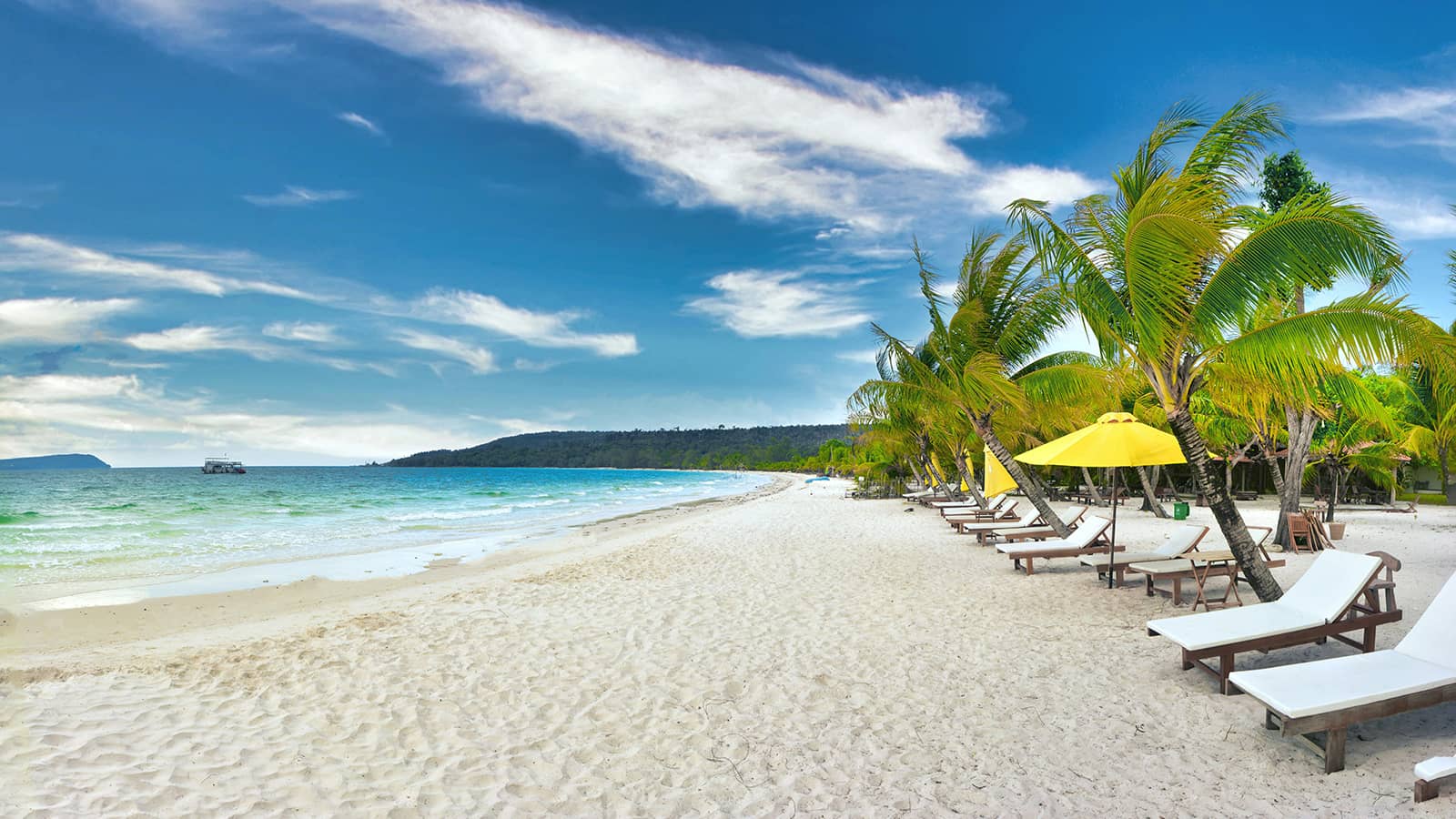
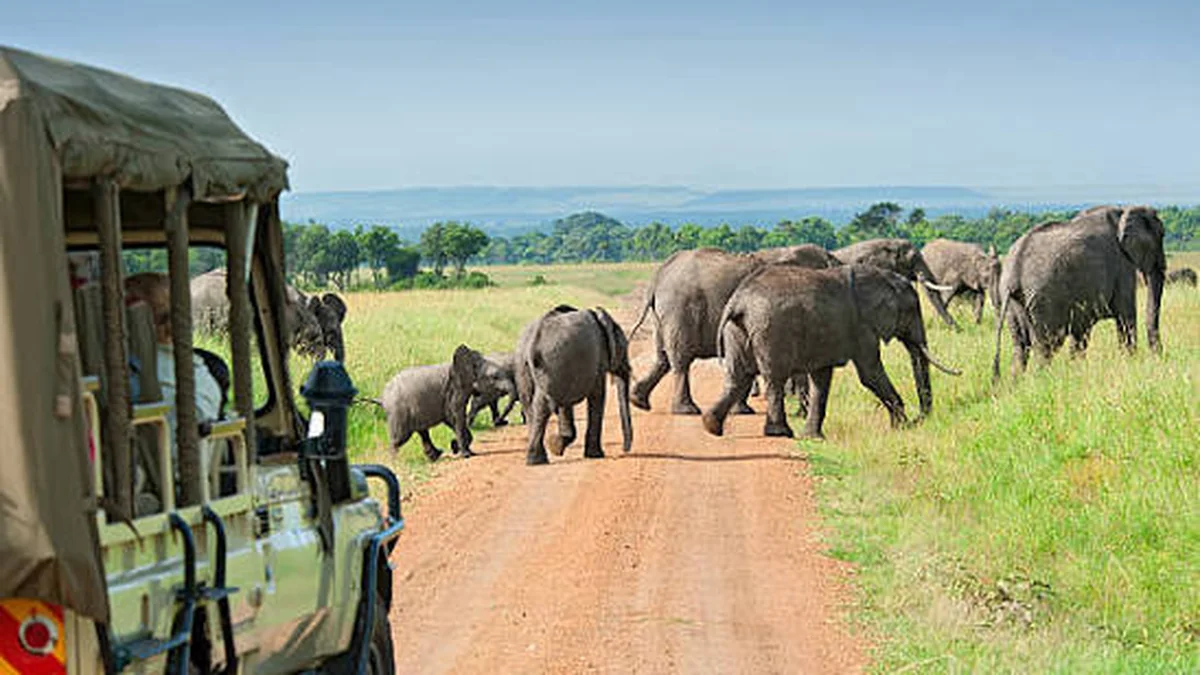
It’s also a genuine change of pace, not just a change of scenery. Days in the Serengeti start before sunrise and run on adrenaline. Zanzibar runs on none. Travelers commonly end a Tanzania itinerary by discovering wildlife on safari and then basking on the island’s tropical beaches — and that contrast is the whole point, not an afterthought.
Quick Takeaway: If you’re already flying to Tanzania, extending by 4–5 days for Zanzibar rarely adds proportional cost, since the expensive part (international flights) is a sunk cost either way.
How Many Days Do You Need For Tanzania Safari and Zanzibar?
There’s no single right length — it depends on how much safari you want versus how much beach. Three structures come up again and again in real itineraries:
7–9 days (compact): A shortened version might remove Tarangire and add an extra day in Zanzibar, or run a 9-day itinerary with arrival at JRO on day one and departure from Zanzibar on day ten. This suits people tight on time who still want a proper safari.
10–11 days (the sweet spot): This is the most common structure across operators. One well-known version covers the full northern circuit including two nights in the Serengeti, plus a cultural stop at Lake Eyasi with the Hadzabe tribe, before finishing on Zanzibar.
13–15 days (the deep dive): For travelers who don’t want to rush either half. One documented trip spent five days immersed in the Serengeti’s vast landscapes alone, on top of the Ngorongoro and Zanzibar segments.
| Trip length | Safari days | Zanzibar days | Best for |
|---|---|---|---|
| 7–9 days | 3–5 | 3–4 | First safari, limited annual leave |
| 10–11 days | 5–6 | 4–5 | Most travelers; balanced |
| 13–15 days | 7–8 | 5–7 | Migration chasers, honeymooners, no rush |
Best Time to Visit for Tanzania Safari and Zanzibar
Timing is where combined trips get tricky, because safari season and beach season don’t always agree — though they overlap more than most people assume.
For general game viewing, June to October is excellent. For calving season in the southern Serengeti, January to March is ideal, and for migration river crossings, timing varies each year but July to October is often strongest. Zanzibar’s climate largely tracks the mainland’s, so it’s worth planning the combined trip around what you most want to see on safari rather than the beach half.
If a river crossing is the priority, September gives the best odds, though crossings can start as early as July; late October is also appealing once visitor numbers thin out while the weather stays warm and dry. November through March, the green season, brings short rains but rewards visitors with migratory birds and newborn animals — and it’s also the cheapest window.
Avoid stacking two low seasons on top of each other: the long rains of April and May bring the lowest prices, but many premier camps close entirely during this stretch. If budget is the main constraint, early March or June tend to offer excellent wildlife with fewer crowds and generally better value than peak months.
Quick Takeaway: June–October and January–March are the two windows where safari conditions are strongest. Outside those, expect lower prices but also fewer open camps and less predictable wildlife concentration.
What It Actually Costs in 2026
Cost is the single biggest variable in this trip, and it swings enormously depending on how you travel.
Safari portion: A Tanzania safari in 2026 typically runs $250 to $1,500+ per person per day. Budget camping safaris sit at $250–$400 per day, mid-range tented camps run $450–$800, and luxury fly-in safaris start at $850 and can exceed $1,500 per day.
Zanzibar portion: A Zanzibar beach holiday runs roughly $50–$300 per person per day, depending on whether you’re in a guesthouse in Stone Town or a beachfront resort in Nungwi.
Combined trip total: A typical 10-day safari-plus-Zanzibar trip lands between $3,000 and $8,000 per person, and that range holds up whether you’re booking through a local operator or an international agency. At the top end, longer 8–10 night trips in premier camps during shoulder-to-peak season run roughly $8,500–$14,000 per person, with top-end camps in peak season reaching $14,000–$19,500.
Budget travelers do exist in this space too: a full 10-day budget trip, camping safari plus modest Zanzibar accommodation, is achievable for around $2,500–$3,500 including flights.
A few costs people consistently forget to budget for:
- Visa: $100 for US citizens, $50 for most other nationalities.
- Tips: around $50 per vehicle per day for the safari guide, and $10–$15 per guest per day for camp staff.
- Park fees: set by TANAPA for most parks and the NCAA for Ngorongoro Crater — identical regardless of operator, and worth confirming are already included in any quote.
- Extras: a Serengeti balloon safari runs about $599 per person, and a Maasai village visit costs $30–$50.
- Buffer: set aside an additional $1,000–$2,500 per person beyond the package price for flights, visa, tips, insurance, and one optional activity — the line item most people leave out entirely.
Getting From Your Safari to Zanzibar
This is the logistical hinge of the whole trip, and it’s simpler than it looks.
| Method | Route | Time | Cost |
|---|---|---|---|
| Domestic flight | Serengeti/Arusha → Zanzibar | ~1 hour | $300–$500 one-way from the Serengeti |
| Domestic flight | Dar es Salaam → Zanzibar | ~20 min | $50–$100 one-way |
| Ferry | Dar es Salaam → Zanzibar | ~2 hours | Azam Marine, $35 economy / $50 business |
Most itineraries fly directly out of the safari circuit rather than routing through Dar es Salaam, since it saves a full connection. Some operators build this transfer in as part of the package price, so check whether it’s included before comparing quotes side by side — the headline number on two “similar” itineraries can hide a $300–$500 difference buried in this one flight.
Where to Stay in Zanzibar
Zanzibar isn’t one beach — it’s a whole coastline with genuinely different personalities depending on where you land.
Stone Town: the cultural and historic base, best if you want walkable restaurants, markets, and a UNESCO-listed old town rather than pure beach time.
Nungwi and Kendwa: the island’s most developed beach strip, with the widest range of resorts and the calmest swimming beaches — good for first-timers and honeymooners.
Paje: the go-to for kitesurfing and a younger, more laid-back scene, with a long stretch of beach that’s dramatic at low tide.
Kizimkazi and Mnemba Atoll: better suited to marine-life focused stays — dolphin tours are unique to Kizimkazi, and Mnemba Atoll offers world-class snorkeling that’s genuinely hard to replicate elsewhere at that price.
If you want to layer some safari-style structure onto the beach half, a short add-on works well too: a 3-day safari combo tacked onto a Zanzibar stay runs roughly $600–$1,000 and is a reasonable way to squeeze in Great Migration viewing without committing to a full northern-circuit itinerary.
Visa, Health, and Practical Prep
A few non-negotiables before you go:
- Visa: apply for the e-visa in advance where possible — it’s typically $50 for a single-entry visa valid for 90 days, and doing it online avoids queues on arrival.
- Malaria prevention: anti-malaria tablets are strongly recommended for both the safari areas and Zanzibar — this applies to the beach portion too, which people sometimes forget.
- Currency: the official currency is the Tanzanian Shilling (TZS), and safari operators, hotels, and tour companies generally quote and often accept prices in USD directly, provided the notes are in good condition and dated 2006 or newer.
- Payment: safari packages are usually settled by wire transfer or credit card, with card payments often carrying a 3–5% fee.
Mistakes First-Timers Make
Underestimating travel time between parks. The Serengeti sits over six hours by road from Arusha, and cramming too many parks into too few days means most of your trip is spent in a vehicle rather than on a game drive.
Booking Zanzibar dates without checking safari seasonality first. The island is pleasant nearly year-round; the safari half is far more season-sensitive. Anchor your dates to the wildlife, not the beach.
Assuming all park fees are included. Confirm this line by line, since any credible quote should state clearly whether park fees and VAT are already factored in.
Skipping travel insurance to save money. Given the remote locations and the cost of emergency evacuation from parks like the Serengeti, this is one place not to cut corners.
Overpacking for the safari half and underpacking for the beach half. These are two different climates and two different wardrobes—plan accordingly rather than assuming one packing list covers both.
For more safari planning guides and wildlife trip ideas, explore our travel guide library.
Frequently Asked Questions
Is it worth combining a Tanzania safari with Zanzibar, or should I do just one?
If you have 10+ days, combining both makes sense — the flight between them is short and inexpensive, and the contrast between safari and beach genuinely enhances both halves rather than diluting either.
How many days should I spend in Tanzania vs. Zanzibar?
A common split is 5–6 days on safari and 4–5 days on Zanzibar, though travelers chasing the Great Migration often extend the safari portion to 7–8 days.
What’s the best time of year to do both?
June–October and January–March both work well for safari conditions and align reasonably with good Zanzibar weather; avoid stacking April–May (safari low season) with anything time-sensitive.
How do I get from the safari parks to Zanzibar?
Most travelers fly directly from the Serengeti or Arusha to Zanzibar in about an hour, though routing through Dar es Salaam by flight or ferry is cheaper if time isn’t tight.
How much does a 10-day Tanzania safari and Zanzibar trip cost?
Budget versions run around $2,500–$3,500 per person including flights; mid-range trips typically land between $3,000 and $8,000 per person, and luxury itineraries can exceed $10,000.
Do I need a visa for both Tanzania and Zanzibar?
Zanzibar is part of Tanzania, so a single Tanzania visa covers both — no separate Zanzibar visa is required.
Is Zanzibar safe and easy for first-time visitors?
Yes — Nungwi and Kendwa in particular are well set up for first-timers, with established resorts, calm swimming beaches, and easy transfers from the airport.
Should I fly or take the ferry between Dar es Salaam and Zanzibar?
The ferry is far cheaper and takes about two hours; flying costs more but saves time — worth it if your itinerary is tight.