Most people over-plan their Morocco itinerary and still end up exhausted. They try to cram Tangier, Chefchaouen, Fes, the Sahara, Marrakech, and Essaouira into one week — and spend half the trip in a car.
A good Morocco itinerary needs 7 to 10 days minimum: enough time to see Marrakech, cross the High Atlas Mountains, sleep in the Sahara, and explore Fes without rushing. Add Chefchaouen or the coast only if you have 10 to 14 days to work with.
That’s the short answer. Here’s the actual route, day by day, at every trip length — plus the budget numbers and mistakes nobody warns you about.
How Many Days Do You Actually Need in Morocco?
Morocco rewards slow travel. The country is bigger than it looks on a map, and the drives between regions — especially over the Atlas Mountains — take longer than tourists expect. The Tizi n’Tichka pass alone is a winding mountain road that tops out above 7,000 feet, and it’s not a route you want to rush.
Here’s the honest breakdown of what each trip length can realistically cover.
| Trip Length | Realistic Route | Best For |
|---|---|---|
| 7 days | Marrakech, High Atlas, Sahara (Merzouga), Fes | First-timers with limited time |
| 10 days | Above, plus Chefchaouen and/or Essaouira | The sweet spot for most travelers |
| 14 days | Above, plus Rabat, Meknes, Casablanca, or slower pacing | Travelers who want depth, not just checkboxes |
One thing experienced Morocco travelers agree on: don’t add more cities just because they fit on a map. A route that jumps from Marrakech to Fes to Chefchaouen to the Sahara in too few days becomes a week of transfers, not a trip. Pick a focused loop and let yourself linger in the places that matter.
The Best 7-Day Morocco Itinerary
Seven days is tight but workable if you accept one non-negotiable: you’re seeing one region deeply, not the whole country.
- Day 1 — Arrive in Marrakech. Settle into a riad in the medina, wander toward Jemaa el-Fnaa in the evening for street food, musicians, and the nightly market energy.
- Day 2 — Marrakech city day. Bahia Palace, the souks, Koutoubia Mosque, and Le Jardin Secret. Keep the afternoon loose for getting lost in the medina on purpose — it’s part of the experience.
- Day 3 — Cross the High Atlas to the desert edge. Drive the Tizi n’Tichka pass, stop at Ait Ben Haddou (a UNESCO World Heritage kasbah since 1987), and continue toward the Sahara’s edge.
- Day 4 — Into the Sahara. Reach Merzouga, ride a camel out to a desert camp, and spend the night under a genuinely dark sky. This is the highlight most people remember years later.
- Day 5 — Sahara to Fes. A long drive day through the Ziz Valley and Middle Atlas Mountains. Break it up with a stop in Ifrane, Morocco’s cedar-forest town where you might spot Barbary apes.
- Day 6 — Fes medina. A walking tour through the world’s largest car-free urban zone, the tanneries (go early to beat the smell), the old Karaouine University, and the Jewish Quarter.
- Day 7 — Fes to departure. A final morning in the medina or a rooftop breakfast before heading to the airport.
Quick takeaway: seven days covers Marrakech, the Atlas, the Sahara, and Fes properly — but there’s no room for Chefchaouen or the coast without cutting something else.
The Best 10-Day Morocco Itinerary
Ten days is the itinerary most seasoned Morocco travelers actually recommend, because it lets you add real texture without rushing.
Follow the 7-day route above through Day 6 in Fes, then extend:
- Day 7 — Fes to Chefchaouen. A scenic drive north into the Rif Mountains to the blue-washed streets of Chefchaouen.
- Day 8 — Chefchaouen. Wander the medina’s blue alleyways, visit the Kasbah Museum, and consider a short hike into the surrounding Rif foothills.
- Day 9 — Chefchaouen to Marrakech (or Casablanca). A long transit day, ideally broken up or done by train/flight if you’re short on time.
- Day 10 — Departure.
Alternative Day 7–10: Swap Chefchaouen for Essaouira instead. From Marrakech, it’s a shorter drive to this laid-back fortress town on the Atlantic coast — fresh seafood, sea breeze, and a completely different pace after the desert heat.
The Best 14-Day Morocco Itinerary
Two weeks gives you room to do the full imperial-cities circuit and the desert loop, without back-to-back transit days.
Extend the 10-day route with:
- Day 11 — Chefchaouen or Fes to Rabat. Morocco’s capital, with 12th-century architecture and a noticeably calmer pace than Marrakech or Fes.
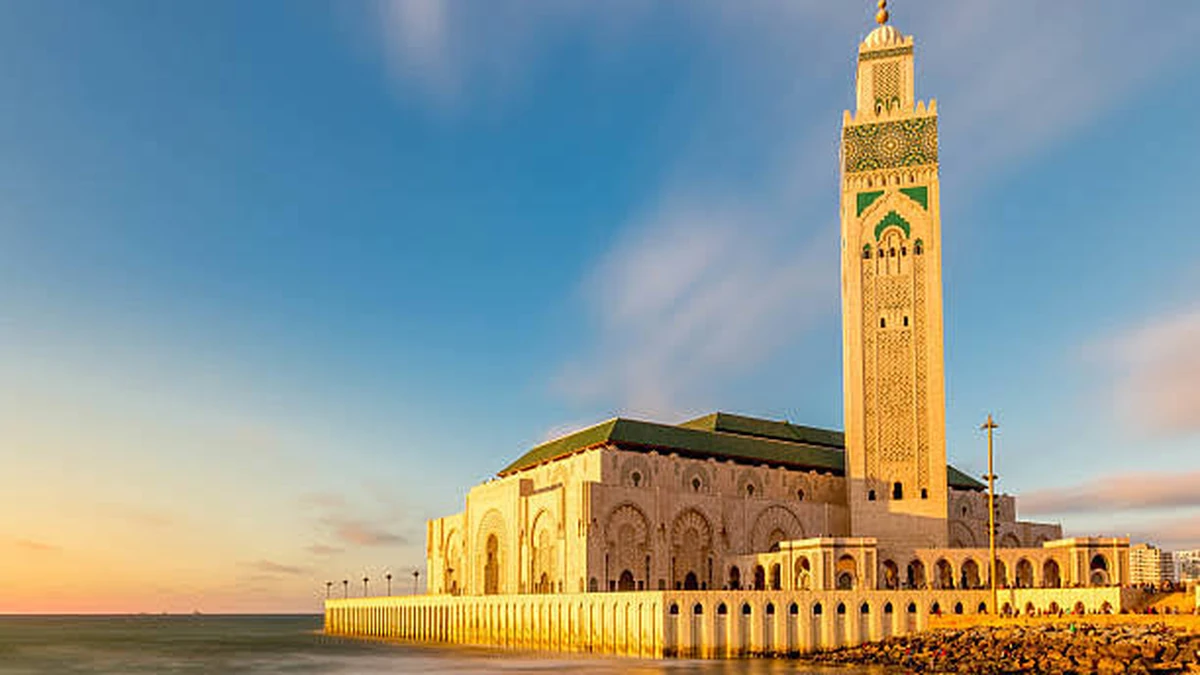
- Day 12 — Rabat to Casablanca. Visit the Hassan II Mosque, one of the largest mosques in the world, best seen early before the tour buses arrive.
- Day 13 — Casablanca to Marrakech or Essaouira. Use this flex day for whichever region you haven’t covered yet.
- Day 14 — Departure.
Quick takeaway: 14 days is where a Morocco itinerary stops feeling like a checklist and starts feeling like an actual trip — you get buffer days for the inevitable slow morning or extra hour in a souk.
What a Morocco Trip Actually Costs
Morocco can be genuinely cheap or genuinely expensive — the range depends entirely on your travel style, not the country itself.
| Style | Daily Budget (per person) | What’s Included |
|---|---|---|
| Budget | $34–50 | Hostel/basic riad, street food and local restaurants, shared transport |
| Mid-range | $89–250 | 3–4 star riads, mix of taxis/private driver, guided day tours |
| Luxury | $240–475+ | 5-star riads, private driver throughout, desert glamping |
For a 10-day mid-range trip, budget roughly $1,000–$1,500 excluding flights. That covers hotels, a desert tour, transport, meals, and some shopping — though adding private drivers, hammams, and rooftop dinners pushes it higher fast.
A few costs people forget to plan for: guides and drivers expect 100–200 MAD per day (about $10–20) in tips, and half-day guides run $30–50. Sahara desert tours from Marrakech typically run around $20 for a day trip to nearby waterfalls, but a full overnight desert camp experience costs more once you factor in the camel trek and camp fees.
Practical Planning: Transport, Season, and Money
Getting Around
You have three real options for a Morocco itinerary: a private driver (most flexible, moderate cost), trains between major cities like Casablanca, Rabat, Fes, and Marrakech (comfortable, budget-friendly, but doesn’t reach the Sahara or Chefchaouen directly), or self-driving (cheap car rentals around $25–40/day, but mountain roads like Tizi n’Tichka demand confident driving). Most first-timers combine trains for city-to-city legs with a private driver or organized tour for the Atlas–Sahara loop, since public transport doesn’t cover that route well.
Best Time to Visit
Spring (March–May) and fall (September–November) are the sweet spots — warm days, cool desert nights, and none of the brutal summer heat that makes the Sahara and Marrakech uncomfortable by midday. Winter is mild in the cities but genuinely cold at night in the desert and mountains, so pack layers regardless of season.
Cash, Dirhams, and Tipping
Morocco runs on cash more than most travelers expect. Withdraw dirhams (MAD) from ATMs rather than exchanging currency in advance — most ATMs cap withdrawals around 2,000 MAD (roughly $200) per transaction, and will only let you try twice before flagging your card. Keep small bills (10, 20, 50 MAD notes) on hand constantly, since taxis, tips, toilets, and souk purchases rarely take cards. Restaurants expect roughly 10% tips; guides and drivers expect 100–200 MAD per day.
Mistakes First-Timers Make (and How to Avoid Them)
- Overstuffing the route. Adding Tangier, Rabat, Chefchaouen, Fes, and Casablanca to a 7-day trip sounds efficient on paper. In practice it means four transfer days out of seven. Pick a loop, not a checklist.
- Skipping cash logistics. Arriving without a plan for dirhams means scrambling for an ATM on day one. Sort this out before you need it.
- Rushing the medina tours. Guides in Fes and Marrakech often move fast through the souks. Ask them to slow down — the cafes and side-alley stops are usually the best part.
- Underestimating mountain drive times. The road over the High Atlas looks short on a map. It isn’t. Budget a full day for Marrakech-to-Sahara transitions.
- Assuming credit cards work everywhere. They don’t, especially outside major hotels. Cash is still king in the souks and smaller towns.
Explore more destinations like this in our full travel guide collection.
FAQ Section
How many days do I need in Morocco?
Seven days is the minimum for a satisfying first trip, covering Marrakech, the Atlas Mountains, the Sahara, and Fes. Ten days is the widely recommended sweet spot, adding Chefchaouen or the coast without rushing.
Is 7 days in Morocco enough?
Yes, if you accept a focused route. Seven days works well for Marrakech, the desert, and Fes, but doesn’t leave room for Chefchaouen or a coastal stop without cutting something else.
What is the best Morocco itinerary for first-timers?
Marrakech, a Sahara desert camp via the High Atlas, and Fes form the core route most experienced travelers recommend, with Chefchaouen added if you have 10+ days.
How much does a Morocco trip cost?
A 10-day mid-range trip runs roughly $1,000–$1,500 per person excluding flights. Budget travelers can manage $34–50 a day; luxury trips run $240–475+ a day.
What’s the best time of year to visit Morocco?
Spring (March–May) and fall (September–November) offer the mildest weather across the cities, mountains, and desert.
Do I need a car in Morocco?
Not necessarily. Trains cover the imperial cities well, but the Atlas–Sahara loop and Chefchaouen are easiest with a private driver or organized tour.
Is Morocco safe for tourists?
Morocco is generally considered safe for travelers, though petty scams and overly persistent vendors in medinas are common annoyances rather than serious risks. Standard travel precautions apply.
How do I get from Marrakech to the Sahara Desert?
Most travelers book a multi-day tour or private driver that crosses the High Atlas via Tizi n’Tichka, stopping at Ait Ben Haddou en route to Merzouga, the main gateway to the Sahara dunes.