Introduction
Most people skip Sedona in winter, assuming the cold makes it less magical. That’s exactly backwards. The seasonal shift strips away crowds, leaving behind something rare — a landscape that finally breathes, quiet enough to hear.
Hiking these trails in December or February feels nothing like summer. The red rocks catch morning frost, the sun rises later, and genuine solitude makes every step feel earned. Nothing about it feels like effort.
Beyond hiking, winter in Sedona opens up stargazing, spa escapes, and dining without the rush. Restaurants finally breathe, the cold feels purposeful, and the seasonal pace reminds you exactly why Arizona desert towns deserve revisiting.
Weather in Sedona in Winter
Sedona’s 4,500-foot elevation gives winter a split personality. Mild, sunny daytime highs reach the upper 50s to low 60s, but nights dip near freezing. Layers and preparation are non-negotiable: cool mornings reliably become t-shirt afternoons.
Golden morning light filters through crisp, clear air, and quiet nights carry genuine holiday charm in Sedona’s peaceful off-season. Chilly afternoons still deliver sunshine. Pack a heavy jacket, hat, gloves — dramatic sunsets justify every layer.
Sedona is a four-season outdoor playground. Winter delivers blue skies, brilliant sunshine, and genuine vitamin D while overnight temperatures hit the low 20s. Lower prices and hotel availability make the benefits — honestly — breathtaking and serene.
Does It Snow in Sedona?
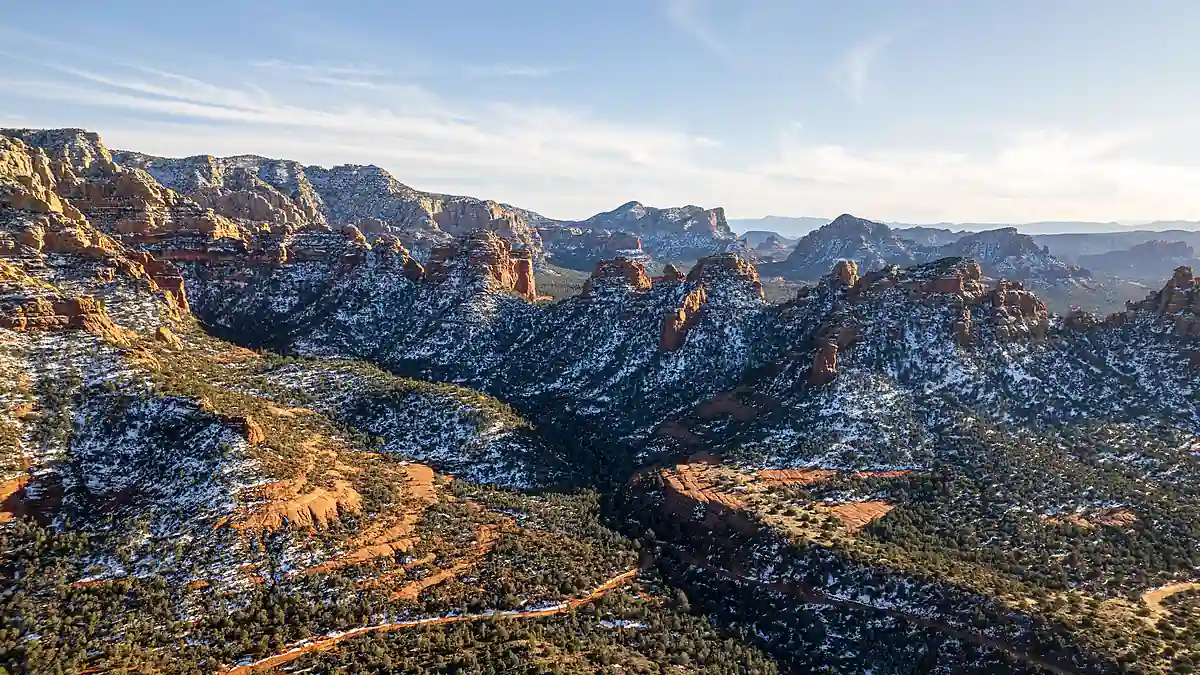
Sedona typically receives 9-10 inches of snow annually, scattered across five storm events per year. Snowfall disappears as clouds clear and it melts. What lingers: a brief, glittery dusting of fine powder — beautiful, transient, disarming.
Bleach-white snow against red towers creates dramatic, high-contrast imagery. Snow-covered red rocks feel surreal — a dreamy, magic winter wonderland, fleeting yet awe-inspiring. Vibrant cardinal rocks dusted in powder explain why drone operators chase every storm.
A snow flurry briefly transforms Sedona — snowy peaks glow white against blazing red in the desert sky. But the aftermath truly matters: red clay turns sticky mud, and tire chains or crampons become suddenly necessary.
What to Pack for Sedona in Winter
Packing for Sedona in winter demands smart layers over bulk. Chilly mornings and evenings drop into the mid-30s, while afternoon pushes toward the low-60s. A fleece mid-layer with a solid base layer keeps you adaptable.
Pack sunglasses without hesitation—sunshine at 4,500 feet elevation seriously intensifies UV exposure. Sweaters and fuzzy boots work well in town, but on trails, always prioritize gripping shoes or waterproof footwear over casual fashion choices.
A headlamp matters more than expected—early morning starts require navigating dark trailheads. Electrolytes and hydration offset crisp desert air. Crampons slip over shoes during rare icy conditions, providing grip and confidence on slick surfaces.
Hiking in Sedona in Winter
Winter hiking in Sedona quietly outperforms every other season for those who value empty trails and crisp air. Snow-capped mountains behind red rock formations elevate panoramic views beyond expectations while sunrise light transforms every trailhead.
Cathedral Rock’s steep ascent and towering spires feel dramatically different when icicles cling to sandstone surfaces. The 1.2-mile hike is short yet demanding, with 741 ft of elevation gain delivering mythical, deeply soul-stirring winter views.
West Fork of Oak Creek remains beloved in winter—red cliffs frame a winding, magical stroll past frozen creek edges. Devil’s Bridge, best reached at first light, offers Sedona’s most iconic, crowd-free arch photography adventures.
Devil’s Bridge
Devil’s Bridge rewards early morning visitors with stunning red rock landscapes in winter quiet. Less crowded than peak seasons, the iconic arch towers above canyon views — though slippery, exposed rock surfaces demand careful footwear choices.
Most hikers overlook Devil’s Bridge in low season, but that’s precisely when the trail becomes a gem. Cool temperatures prevent overheating, and the landscape feels atmospheric — morning light transforms the arch into something visually captivating.
The off-road approach via Schnebly Hill Road adds adrenaline before you even start. Rocky, technical terrain builds real anticipation — when breathtaking scenery finally unfolds from the arch, that white-knuckle ascent feels worth every exhilarating step.
Cathedral Rock
Cathedral Rock isn’t just a trail — it’s a spiritual confrontation. At 1.2 miles with 741 ft elevation, this moderate scramble demands focus, yet first light striking those jaw-dropping spires makes every breathless step feel soulful.
Few vortex sites carry Cathedral Rock’s magnetic energy. Standing at the summit, you feel genuinely uplifted — not through mysticism alone, but through panoramic golden vistas that stretch toward snow-capped mountain peaks and glisten at sunrise.
Yoga sessions near Cathedral Rock with a skilled instructor during low season genuinely surprised me. A three-hour yoga practice under clear winter skies — magnetic energy humming beneath rock — left me deeply relaxed and fully recharged.
West Fork of Oak Creek Canyon Trail
Winding through Oak Creek Canyon, the West Oak trail earns its rightful reputation as a shaded canyon classic. Early morning starts are ideal — less crowded paths and cool temperatures make this 14-mile stretch genuinely stunning.
River crossings punctuate this scenic route, where exposed rock surfaces grow slippery after rain. Low season brings quieter energy, and first light makes the otherworldly canyon walls glow. Find the trailhead easily along Route 89A.
Moderate trail conditions keep this canyon accessible even in cool weather. Avoid overheating by hiking before midday — the gorge stays comfortable and feels warmest around noon. Always check road conditions and seasonal closures before climbing any further.
Bell Rock
Bell Rock rises dramatically along the Red Rock Scenic Byway (SR 179), a clear must-do among Sedona’s scenic overlooks. Its viewpoints reward visitors at every level, especially during sunset when red rock formations glow brilliantly.
Counted among Sedona’s four primary vortices, Bell Rock draws seekers toward spiritual enlightenment through deep meditation. A personal meditation session at its base feels profoundly inspired — the energy quietly amplifies both wellness and inner clarity.
Bell Rock offers less crowded trail conditions in low season, making it highly accessible. Visit at first light for stunning, scenic Instagram moments without long lines. Complete a leisurely loop in 30 minutes — solidly moderate.
Airport Mesa Loop Trail
Experienced hikers and first-timers alike agree: the Airport Mesa loop trail catches you off guard. The vortex energy here isn’t myth — it’s a physical phenomenon that shifts your entire perception of red rock country profoundly.
Winter photography here rewards patience. At Airport Mesa Vortex, the spectacular light bends uniquely through cold desert air, creating visually striking frames. Bring sunglasses — the adventure of shooting golden hour from this ridge is extraordinary.
Fewer tourists in winter mean empty trails and genuine serenity. The hiking pace slows naturally — a quieter, meditative journey through red cliffs and rocky switchbacks. This is Sedona at its most deeply calming and enchanting.
Subway Cave
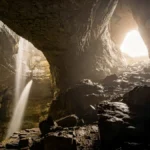
Not every adventure in Sedona demands difficulty. Subway Cave surprises visitors with a scramble that feels accessible yet genuinely rewarding. Ducking through cool stone chambers on a brisk winter morning is a uniquely enchanting experience.
The trail draws popular attention for its raw geological drama. Unlike other caves scattered near Boynton Canyon, this one delivers contrast — cold darkness giving way to spectacular open desert light within a few dramatic steps.
Winter visits add a natural chill inside the cave, sharpening the sensory contrast between cool stone and warm Arizona sun outside. Pack layering essentials — it’s a photo opportunities stop that never disappoints curious, well-prepared explorers.
Boynton Canyon
Boynton Canyon Trail begins past the Enchantment Resort gate — winter makes this dreamlike corridor feel private. The rocks carry geological weight, layered and deliberate, and the cave formation at the far end earns every step.
The Subway Cave side path — marked by arrows on tree bark — is an unofficial trail not on Alltrails. Anyone afraid of heights, prone to hyperventilating, should skip the scramble at the cliff edge during rain.
Parking near the trailhead puts you 20-30 minutes from ancient ruins. This cave hike is anything but luxurious — the path is raw and exposed — yet even high-powered telescopes at the resort cannot replicate this closeness.
Hangover Trail / Hangover Caves
Hangover Caves earns its reputation. At 6-7 miles with 700 ft of elevation and 3 hours round-trip, it delivers more technical terrain than most weekend hikers expect — and the exposed ridge rewards every difficult step.
Most people drive from Phoenix, departing around 4:30 am on Friday or Saturday. Grabbing coffee first is genuinely smart — 1-1.5 hours of cold morning approach demands a clear head before the real technical climbing begins.
Structure your itinerary around 1-2 nights — hotel check-in the first evening, trail by early morning. After descending, lunch at Hideaway House overlooking Oak Creek feels like the conclusion these 2 days have always quietly deserved.
Keyhole Cave
Keyhole Cave earns its reputation as one of Sedona’s lesser-known winter gems. With crisp air filtering through its arched opening, stepping inside feels like entering a picturesque chamber shaped by millennia—perfect for outdoors enthusiasts.
The slow season keeps Keyhole Cave uncrowded, making weekends far more manageable. Arrive earlier for golden arch light. When icy terrain appears on approach, microspikes, waterproof boots, and a day pack transform the experience entirely.
At the keyhole’s curved edge, panoramic views of red rock formations stretch wide. Winter dustings create a sharp contrast—magical and picturesque in equal measure. Pack sunscreen even here; desert light proves deceptively powerful midday.
Seven Sacred Pools (Soldiers Pass Trailhead)
Seven Sacred Pools challenges the typical winter hiking narrative in Sedona. This Soldier’s Pass gem greets visitors with slickrock formations and concentric circles carved by centuries of water flow—making it gorgeous beyond any expectation.
Winter visits here reveal the Devil’s Sinkhole framed by a quiet setting and icicles clinging to volcanic basalt. The scenic, winding trail is easy enough for families, yet rewards those seeking natural beauty and reconnection.
A beanie, warm jacket, and traction footwear handle cold mornings well. Walking these slickrock paths near pooled water feels deeply meditative. This trail recharges visitors, cementing Soldier’s Pass as a standout outdoor environment for winter.
Additional Hiking Trails
Doe Mountain stands out as a top winter trail favorite — quieter and genuinely rewarding. Hot air balloons glide past at sunrise, making early-morning hikes feel almost perfectly cinematic. Summit views alone justify the modest elevation.
Broken Arrow and Little Horse connect seamlessly in winter, offering a loop that combines slickrock and red sandstone without summer crowds. Near Chicken Point, 4x4s navigate the Playground — a thrilling contrast to the foot traffic.
Slide Rock State Park transforms in winter — less a swimming hole and more a red-walled canyon walk. Cow Pies Trail, often overlooked, delivers smooth sandstone domes and far-reaching views without significant elevation or technical difficulty.
Scenic Drives in Sedona in Winter
Red Rock Scenic Byway (SR 179)
SR 179 earns its National Scenic Byway designation effortlessly — Bell Rock rises just beyond Tlaquepaque, and Cathedral Rock commands the skyline ahead. Winter driving here feels less rushed, with panoramic canyon views crisp and unobstructed.
Pull-offs along SR 179 offer spontaneous photo moments without a permit. Elevated views from multiple roadside stops reveal layered geology most visitors only glimpse through restaurant windows. Winter golden-hour light transforms the entire byway dramatically.
Most visitors treat SR 179 as a connector road. Winter reduces traffic significantly, converting it into a proper scenic corridor — each pullout revealing unbeatable views of formations that outdoor explorers rarely stop to fully appreciate.
Oak Creek Canyon Drive
The canyon itself acts as a natural tour guide, exposing Oak Creek secrets most drives miss. Winter bares creek edges, stream crossings, and towering formations — a beloved backdrop few witness outside high desert four seasons exploration.
Reserving a full afternoon for the 7.5-mile Red Rock Scenic Byway pays off: West Fork trailheads, canyon floor stroll spots, the Chapel of the Holy Cross, and distinct galleries layered with regional history and character.
GPS and Gypsy Guide unlock tips, directions, and information on landmarks, surfacing best things to do multiple times over. Hideaway House offers dog-friendly indoor seating, dinner, a full menu, epic views, and warming drinks throughout.
Off-Road Adventures in Sedona
Off-roading through Sedona reveals what a rental car never can. Routes past Vultee Arch and Doe Mountain demand a proper 4×4; raw excitement builds with elevation, especially on remote backroads beyond national forest land boundaries.
World class single track mountain biking and 4×4 trails share the same USFS trail corridors. This wide range of outdoor activities within 400 miles of wilderness areas makes Sedona a rare bucket list outdoors getaway.
Hot air balloon vendors — Red Rock Balloon Adventure and Northern Light Balloon — deliver a true bird’s eye view. Early wake-up required; weather conditions determine timing. This unique perspective suits romantic couple or girl’s weekend trips.
Stargazing in Sedona in Winter
Sedona’s stargazing scene shifts into something extraordinary during December, February, and March. The slower pace of winter clears crowds, leaving snowcovered red rocks silhouetted against a star-filled sky that feels genuinely other-worldly and deeply memorable.
The valley views from Airport Mesa reveal something rare after sunset: genuine darkness. Tranquility settles deeply in as glowing Milky Way bands stretch across undisturbed horizons, making every clear winter night an extraordinary astronomical experience.
Visiting Sedona as an enchanting destination for astronomy, its year-round dark sky reputation peaks during vacation off-seasons. No artificial light, no crowds — just cosmic silence and ancient red formations creating an unforgettable natural observatory backdrop.
Spas & Wellness in Sedona in Winter
Sedona’s charm deepens at its spas in winter. Post-hike warmth from thermal soaks and massage genuinely restores cold muscles. These welcoming wellness spaces blend desert botanicals and panoramic red rock views into restorative winter sessions.
A sound bath session amid crystals and soft lighting delivers something uniquely beyond relaxation — genuine enlightenment through frequency. Many spas also offer aura photo readings, helping guests identify their energetic baseline before selecting complementary healing treatments.
Couples on a honeymoon often pair a vortex tour with an evening tarot reading and fireplace time. These layered experiences create lasting memories that anchor Sedona’s wellness identity in genuine transformation rather than surface-level indulgence.
Vortex & Spiritual Experiences
Yoga at a Vortex
Winter mornings at Sedona’s vortex sites carry a profound, rare stillness unlike anywhere else. The therapeutic energy makes Chakra Balancing feel instinctive — a distinction practitioners immediately notice during outdoor sessions beneath those towering red rocks.
Book a mid-week reservation when crowd sizes drop considerably. Combining Reiki Healing with vortex yoga deepens your inner quest — sound journeys after a session produce rejuvenation and tranquility that genuinely linger well beyond the mat.
Few experiences truly qualify as bucket-list moments, but practicing yoga at Airport Mesa at sunrise simply does. Scheduling your appointment around cooler temperatures allows relaxation to deepen — experiential spaces here redefine what vortex-focused practice means.
Hot Air Balloon Rides in Sedona
Golden hues flood Sedona’s canyon walls at dawn, and from a hot air balloon basket, those views become something you genuinely can’t replicate on foot. Afternoon light transforms red rock formations into glowing, otherworldly sculpture.
Winter is the best season for balloon flights — cooler air means smoother rides. It’s a splurge, but guided private tours suit both solo travelers and family groups. Bring your jacket; it gets windy up there.
Spectacular crimson panoramas greet guests from higher elevation as the balloon climbs. Few moments shine quite like watching Sedona’s red rock country unfold below — a perspective no trail, road, or deck can ever truly match.
H2: Mountain Biking in Sedona in Winter
Winter riding in Sedona genuinely rewards those who arrive early. Dry roads and warm afternoons define the experience. Broken Arrow Trail offers punishing terrain with Red Rock backdrops no summer ride could ever fully replicate.
Few trails match Sedona’s winter intensity. Strenuous climbs deliver accidental wildlife observation moments and 360-degree views. Avoid muddy sections after rain, especially near cliff edges, where treacherous drops demand both technical skill and genuine respect.
The Schnebly Hill trail merges biking and off-roading effortlessly. Potholes and bumps become legendary line choices. Driving conditions vary, but winter’s firm ground makes Sedona’s natural areas more accessible for experienced riders than most expect.
Holiday Spirit & Winter Events in Sedona
Verde Canyon Railroad
Boarding the Verde Canyon Railroad at Clarkdale feels like stepping outside ordinary time. This four-hour journey traces the Verde River, exposing cliffs, ancient cliff dwellings, and historic mining sites while delivering truly rare wildlife encounters.
The Magical Christmas Journey transforms holiday train rides into something genuinely memorable. Adults and children board a vintage train car draped in holiday lights and decorations, fully embracing the festive warmth that defines winter travel.
Santa Claus appears, hot cocoa warms cold hands, and the North Pole narrative unfolds naturally aboard this holiday-themed, family-friendly experience. The relaxing rhythm of the rivers confirms that some winter memories are better earned slowly.
Best Views in Sedona in Winter
Have a Drink at Tii Gavo or Che-Ah-Chiat at the Enchantment Resort
Few winter experiences in Sedona match the quiet luxury of slowly sipping a cold drink above Boynton Canyon. Past the guard gate, Tii Gavo opens with sweeping red rock views that shift gold at dusk.
Che-Ah-Chiat, the resort’s elevated bar, carries that exact same breathtaking magic well after dark. Order the guacamole, settle into a canyon-facing seat, and watch the crimson cliffs slowly deepen under a clear, star-filled winter sky.
The Enchantment Resort undeniably earns its iconic name here. Upscale yet never pretentious, this award-winning destination rewards those willing to drive past ordinary lodging — the unforgettable canyon view alone justifies every single moment you linger.
Dining in Sedona in Winter
Elote Café
Elote Café, perched high on a hill, serves warm, bold Southwestern flavors unlike any casual Mexican restaurant. This intimate kitchen crafts delicious plates that feel deeply personal—a genuine must-try during Sedona’s quiet winter months.
Winter calls for hearty meals, and Elote easily delivers far beyond standard comfort food. A cozy ambiance pairs with dishes worth the share—corn bowl, roasted salsas, and queso that rival Sedona’s finest dining options.
Elote isn’t your typical neighborhood restaurant—it stands as a winter ritual. Massive portions meet breathtaking views of red rock country. During the holiday season, Sedona’s local businesses like this offer luxury-level experiences without pretension.
Mariposa Latin Inspired Grill
Mariposa Latin Inspired Grill earns its reputation not just at brunch but at dusk, when the full bar glows and festive decorations shimmer against the red rocks. Each plate honors Latin roots with home-cooked soul.
Casual dinner at Mariposa always feels curated, not rushed. Outdoor enthusiasts discover refined Latin flavors near art galleries and downtown Sedona. Balcony seating, framed by twinkling lights against canyon silhouettes, elevates any winter evening beautifully.
Mariposa perfectly balances family-friendly warmth with true sophistication. Meals here echo rich Latin heritage, best savored near the fire pit during winter’s festive celebrations. Flanked by boutique shops and art, the whole experience unfolds seamlessly.
The Hudson
The Hudson delivers cozy, casual winter dining that Sedona regulars quietly favor. Hearty plates and craft cocktails flow freely during high-season dips — that’s when the high-caliber service truly shines without the usual summer crowd noise.
The Hudson’s kitchen refuses small-town predictability. Mouthwatering winter plates lean Southwestern with genuinely innovative layering — unexpected flavor combinations that consistently challenge what most first-time visitors believe about craft bars hidden within Sedona’s quieter uptown neighborhoods.
Less traffic means no scrambling to book in advance. The comfort factor runs deep here — high-end service without pretension, and the signature dish selection reminds you why winter is the best time for Sedona dining.
Hideaway House
This hillside restaurant is Sedona’s best-kept secret. Celebrated for its red rock views, Hideaway House rewards foodie visitors who plan winter visits — fewer crowds mean the best patio seats are simply yours for the asking.
Italian roots run deep — pizza and pasta define the cuisine here. Winter specials introduce seasonal twists that make returning visitors genuinely eager, proving Hideaway House is far more than just another scenic Sedona lunch stop.
Authentic ingredients define every plate at Hideaway House. Request a blanket for the view-facing terrace on mild winter afternoons — it becomes exactly the kind of unhurried Sedona meal genuinely worth planning your entire itinerary around.
Javelina Cantina
Tucked into Uptown Sedona, Javelina Cantina draws winter visitors with its warm Tex-Mex energy and panoramic red rock views. The outdoor patio hosts guests on mild December afternoons, wrapping the meal in unmistakably southwestern warmth.
Margaritas taste noticeably different when sipped beneath canyon walls dusted with early frost. The kitchen leans into bold, comforting flavors during winter — nachos, enchiladas, and smoky salsas that genuinely warm you from deep inside out.
Crowds thin by January, making Javelina Cantina feel almost beautifully private. Reservations become easier, service grows unhurried, and the red rock backdrop turns golden in low winter light — a combination rarely found during peak season.
Secret Garden Café
The Secret Garden Cafe feels like a well-kept local secret in winter Sedona. Morning hikers drift in for breakfast, drawn to a setting that trades tourist noise for something genuinely still, remarkably quiet, and unhurried.
Lunch here consistently runs noticeably lighter than most Sedona restaurants — seasonal salads built with roasted vegetables, warming soups that shift week by week, and thoughtfully portioned plates leaving you genuinely energized for an afternoon hike.
What makes it worth returning is the healthier ethos embedded throughout — not as a marketing angle, but as a genuine kitchen philosophy. Winter mornings here feel restorative rather than indulgent, which Sedona’s pace truly rewards.
Pump House Station
Uptown Sedona’s Pump House Station remains open with reduced hours through winter, serving hearty breakfast plates to energized kids and families. This full-service restaurant anchors post-hike mornings when cooler activities demand a warm, filling start.
By evening, guests arrive wearing a nicer outfit, sipping homemade apple cider as the warm holiday spirit glows along cobblestone streets. Pump House Station quietly earns its place as Sedona’s most personal winter dining destination.
Those on a budget genuinely find great rates on generous plates at Pump House Station in winter. Every corner stays safe, clean, and ready, leaving a lasting memory that perfectly captures Sedona’s beautiful cold-season spirit.
Creekside American Bistro
Creekside American Bistro earns its reputation during Sedona’s winter slower season, genuinely welcoming traveling guests with fabulous comfort. The bistro serves pastries and warming soups, making every visit feel personal and always worth visiting again.
Winter luminarias and the glow of the Festival of Lights perfectly backdrop Creekside’s warm dining room. Seated beside bright lights and carolers, guests find even a casual dinner transforms into a genuine childhood-tinged festivities experience.
Post-hike energy runs high at Creekside, where hot cocoa arrives fast and the cozy interior makes for perfect inside activities on cold nights. The bistro captures Sedona’s quiet winter soul without pretension, drawing guests back.
Mesa Grill at Sedona Airport
Mesa Grill sits across the street from the Airport Loop Trail, offering winter visitors something rare — a meal paired with 360 degrees of red rock panorama. The viewpoint here rivals any trail overlook in Arizona.
Perched above the loop trail at Airport Mesa, the restaurant draws both hikers and food lovers. Sweeping mountain ranges frame every window, making even a simple lunch feel like a curated Sedona experience worth repeating.
The winter menu at Mesa Grill leans into hearty American fare, and the relaxed airport setting adds a uniquely warm charm. Locals recommend arriving early — on cold mornings, fog rolling over red rocks is breathtaking.
Gerardo’s Italian Kitchen
Gerardo’s Italian Kitchen brings a warm, casual vibe to Sedona’s winter dining scene. Tucked into the heart of town, it serves rustic Italian plates perfect for cold evenings after a long day on the trails.
Order the bruschetta first — it’s a reliable, honest opener that signals what’s ahead. The pasta here feels lighter and more refined, balancing healthier ingredients without losing the depth of flavor winter visitors crave in Sedona.
What stands out is the breakfast and lunch versatility — it works as a midday reset and an evening indulgence alike. In winter, the warm interiors and rich aromas make Gerardo’s feel like a true refuge.
Black Potion Sedona
Stepping into Black Potion Sedona feels like entering a mystical bazaar. The gift shop overflows with crystals, handcrafted jewelry, and bundled sage, each item carrying the quiet energy this red rock town is famous for.
Most visitors arrive for the coffee but leave booking a psychic reading. The intuitive sessions offered here go beyond novelty — they tap into Sedona’s spiritual pulse in ways even skeptics quietly admit felt oddly accurate.
Winter mornings here carry a crisp stillness that makes the ritual perfect. Sipping something warm before setting out toward Red Rock Crossing or Schnebly Hill feels like the right kind of slow — unhurried and intentional.
Shopping in Sedona in Winter
Tlaquepaque Arts & Shopping Village
Tlaquepaque Arts & Shopping Village consistently slows every first-time visitor down in the very best way. Cobblestone courtyards and decorated archways draped in ivy feel more like an outdoor museum than a typical retail destination.
Winter shopping here carries a different quality. The galleries stock one-of-a-kind local art pieces rather than mass-produced items, and picking up a souvenir here actually means something — each piece holds a story behind its creation.
During holiday events, the village transforms beautifully with lantern-lit pathways and live performances echoing through stone corridors. It’s the kind of shopping experience that lingers far beyond whatever you actually carry home in a bag.
Hillside Sedona Shopping Center
Most visitors rush through Hillside’s souvenir shops too quickly. The crystal stores and jewelry stores reward patience. Winter crowds thin here, making this terraced shopping destination feel more like personal discovery than a tourist stop.
Decorated for winter, Hillside easily transcends its storefronts. Holiday events feel genuinely personal here — local arts vendors replace summer browsers, stone fountains hold the cold air, and the tiered architecture quietly resembles a Mexican village.
The traditional Mexican village design sets Hillside apart. Christmas trees frame winter entrances, while souvenir finds here lean toward regional craft rather than mass-produced trinkets. That distinction matters far more than most travel guides acknowledge.
Winter Sports Near Sedona
Snowbowl
Snowbowl reframes the entire winter calculus for Sedona visitors. The ski resort sits in Flagstaff, just 45 minutes away — close enough that a morning of skiing becomes a genuine day-trip option without rearranging the itinerary.
Most people don’t expect skiing culture this close to the desert. Snowbowl operates on the San Francisco Peaks, where terrain ranges from groomed beginner runs to challenging expert lines — a full mountain experience nearby Sedona.
Pack an insulated jacket and wool socks before heading to Snowbowl — the elevation difference between Sedona and the Peaks is quite dramatic. Snow conditions here rival ski resort standards without the usual Colorado travel commitment.
Parks & Natural Areas in Sedona in Winter
Red Rock State Park
Red Rock state parks earned their stellar reputation among photographers chasing winter light. Most visitors smartly arrive before sunrise, catching frost-kissed trails and golden canyon walls that glow in ways summer heat simply cannot replicate.
The picnic areas near the creek stay surprisingly accessible through most winter months. I’ve sat there with a warm blanket, watching mule deer cross the water, the cold completely forgotten in that single, still moment.
Entry is affordable, and ample trails stay highly accessible. No parking permit required here — just arrive and walk. With well-marked loops and open-air overlooks, it’s a short, deeply rewarding stop for every week-long Sedona visit.
Sedona Dog Park
Most visitors overlook this dog-friendly spot, chasing landmark trails endlessly instead. That’s a real loss. Winter mornings in these local parks reveal a quieter, more nature-focused side of Sedona that no guided itinerary captures fully.
The fenced enclosure is split into small-dog and large-dog zones, both clean and thoughtfully maintained. On any winter day, driving over takes minutes. Arrive at the best time — early morning — for a peaceful, crowd-free experience.
Rock climbing terrain nearby draws hikers and pet owners alike. Always pack a reusable water bottle and lip balm — dry winter air demands both. Dogs move freely while you soak in Sedona’s quiet red-rock landscape.
Where to Stay in Sedona in Winter
Enchantment Resort
Tucked into Boynton Canyon, Enchantment Resort’s renovated lobby features a striking amethyst wall. The front desk curates sweet packages and moonrise ceremonies on the community deck, making winter evenings feel richly rooted in Sedona’s spirit.
Mii Amo spa, Enchantment Resort’s renowned crown jewel, earned multiple 2025 accolades from Elle Magazine and Travel + Leisure for delivering traditional treatments — including hot stone massages and Crystal Soul Healing — within Boynton Canyon’s ancient walls.
From the Dosha Balancing Wrap to the Prickly Pear Pomegranate ritual, intuitive massage, and foot massage, every massage experience here restores profoundly. Accommodations across varied price points firmly position Enchantment as Sedona’s premier winter escape.
Sky Rock Sedona
Sky Rock Inn sits perched high above Sedona’s iconic red rock landscape, offering unobstructed panoramas that few hotels can match. Unlike crowded resort corridors, this intimate retreat feels suspended beautifully between earth and open sky.
Poco Diablo Resort and Ambiente both attract winter visitors, but Sky Rock Inn delivers something genuinely rare — a stunning rooftop terrace revealing Cathedral Rock at golden hour, making cold mornings worth every crisp breath drawn.
Vacations at Seven Canyons nearby offer true villa-style luxury, yet Sky Rock’s elevated position above 300 local businesses keeps guests genuinely connected to Sedona’s vibrant cultural pulse while preserving that essential sense of unhurried solitude.
Planning Your Trip to Sedona in Winter
Getting to Sedona
Most visitors fly into Phoenix Sky Harbor Airport (PHX), the closest international airport and an American Airlines hub with direct flights from major airports nationwide. From there, expect roughly a 2-hour drive north into Sedona.
Flying into Flagstaff Airport (FLG) works well for travelers from Denver or Dallas. The 40-minute drive into town is straightforward, and I personally found it the calmer, less congested arrival option during any winter visit.
Sedona is notably spread out, making a personal vehicle essential for exploring trailheads and viewpoints. Uber availability is limited in winter, so renting a car gives you the flexibility this remarkable desert landscape genuinely demands.
Parking & Shuttles
Parking fees apply at most Sedona trailheads, but America the Beautiful and interagency passes waive those costs entirely. Keeping yours accessible is smart — attendants check credentials even during slower winter mornings at the busiest lots.
Sedona’s free shuttle runs Thursday through Sunday, covering the most-visited routes across Uptown and the Village. With no reservation required, simply check operating hours before heading out, as winter schedules occasionally differ from peak-season timetables.
Shuttle stops are well-marked near major viewpoints, reducing parking stress that spikes on busy winter weekends. I found riding it during golden hour far more relaxing than circling congested trailhead lots, especially near Cathedral Rock.
Winter Driving in Sedona
Most visitors assume highways into Sedona stay safe in winter — they often do. But once you leave SR-179, wet roads and icy surfaces demand real respect. I’ve personally watched overconfident drivers deeply regret that assumption.
Steep dirt paths like Schnebly Hill Road become genuinely treacherous after rain or snowfall. Always run your heater and defrost before heading out — windshield visibility matters more than most people realize until they’re already sliding.
Locals tend to normalize driving in tough winter conditions, but first-time visitors really shouldn’t. Pack tire chains if exploring higher elevations, and treat every turn with caution. Sedona rewards the prepared traveler, not the reckless.
Sedona Winter Itinerary
Day 1 Sample Itinerary
Morning starts at Bell Rock’s base, where crimson formations glow in soft winter sun. Pull on mid-layers and trail shoes, fill your Camelbak, and head up early before the trailhead gets busy with day hikers.
After the hike, book a Pink Jeep tour toward Chicken Point and Devil’s Staircase, where rocky ledges tilt at a dramatic 45-degree angle. A half day off-road here genuinely rewires how you see desert terrain.
End Day 1 at Mariposa Latin Inspired Grill, then drive Dry Creek Road beneath cloudless nights. Sedona’s Dark Sky designation means stars genuinely compete with red rock silhouettes for your complete attention well after dark.
Day 2 Sample Itinerary
Day 2 starts at Seven Sacred Pools off Soldiers Pass, where winter reflections sit glassy and still. A full parking lot by mid-morning is proof this overlooked corner of Sedona draws more crowds than expected.
Midday suits Keyhole Cave, an easy hike to a unique formation that frames sky through red rock. The elevation change stays mild, and the 1.5 miles round-trip feel casual rather than taxing for winter visitors.
Wrap Day 2 at Elote Café — book 60 days ahead, as the concierge always insists. Smoked pork cheeks and charred elotes paired with sharp tequila make this the most satisfying cold-weather dinner in Sedona.
FAQs About Sedona in Winter
Does It Snow in the Winter in Sedona?
Snow does fall in Sedona occasionally, mostly between December and February. It rarely lasts downtown, but higher trails hold it for several days. Red rocks dusted against fresh snow create a contrast truly worth experiencing.
Is Sedona Cold in the Winter?
Winters here are genuinely mild. Daytime temps hover around the mid-50s, keeping hikes comfortable with proper layering. Mornings and nights get noticeably colder though, so packing warm base layers is absolutely essential before you arrive.
Where Is the Best Place to Watch the Sunset in Sedona in the Winter?
Airport Mesa delivers the most breathtaking winter sunsets. The elevated vantage frames red rock formations as golden light dissolves dramatically. Get there thirty minutes early — winter days are short and the best colors vanish fast.
What Are the Best Things to Do in Sedona in Winter?
The best things to do in Sedona during winter include hiking red rock trails, joining jeep tours, exploring vortex sites, and stargazing. Cooler temperatures genuinely make every outdoor experience more rewarding and far less crowded.
What Is There to Do at Tlaquepaque Arts & Shopping Village?
Tlaquepaque Shopping Village feels nothing like a typical mall. Cobblestone courtyards connect artisan galleries, handcrafted jewelry, ceramics, and unique regional artwork. Local dining spots and seasonal events make spending several hours here feel completely worthwhile.
Do I Need a Rental Car in Sedona?
A rental car is strongly recommended in Sedona. Nearly every trailhead and viewpoint sits outside city limits, making ridesharing genuinely impractical. Booking ahead is absolutely advisable, especially during winter when vehicle availability gets noticeably tighter.
What Airport Should I Fly Into for Sedona?
Phoenix Sky Harbor is the most practical choice, while Flagstaff sits closest to Sedona. The town actually has its own small commercial airport with limited connections. Most visitors drive from Phoenix, roughly two hours south.
Is Parking Easy in Sedona in Winter?
Parking in Sedona requires a Red Rock Pass at most trailheads. Winter crowds are lighter than summer, but popular spots still fill by mid-morning. Arriving early or using the Uptown shuttle genuinely saves significant frustration.
Why Is Winter a Good Time to Visit Sedona?
Winter gives Sedona back to those who want genuine experiences. Hotel rates drop, trailheads clear out, and restaurant waits nearly disappear. The cooler temperatures and quieter atmosphere create ideal conditions for exploring this landscape properly.
Is Sedona Worth Visiting in the Winter?
Sedona in winter is worth every visit. The quieter trails, lower crowds, and softened light create a genuinely different experience. Red rocks against crisp December skies honestly surpassed everything I saw during busier summer months.