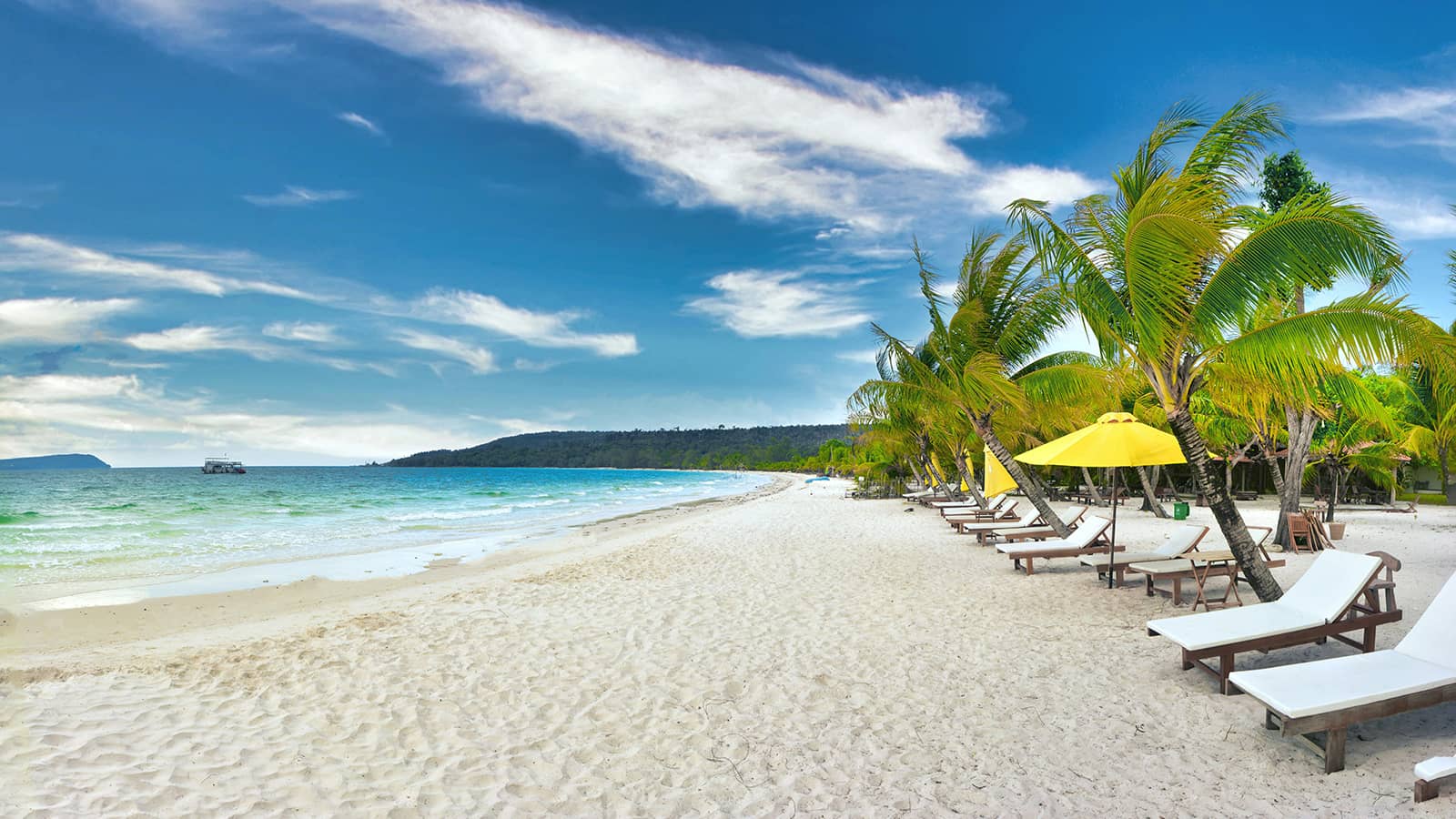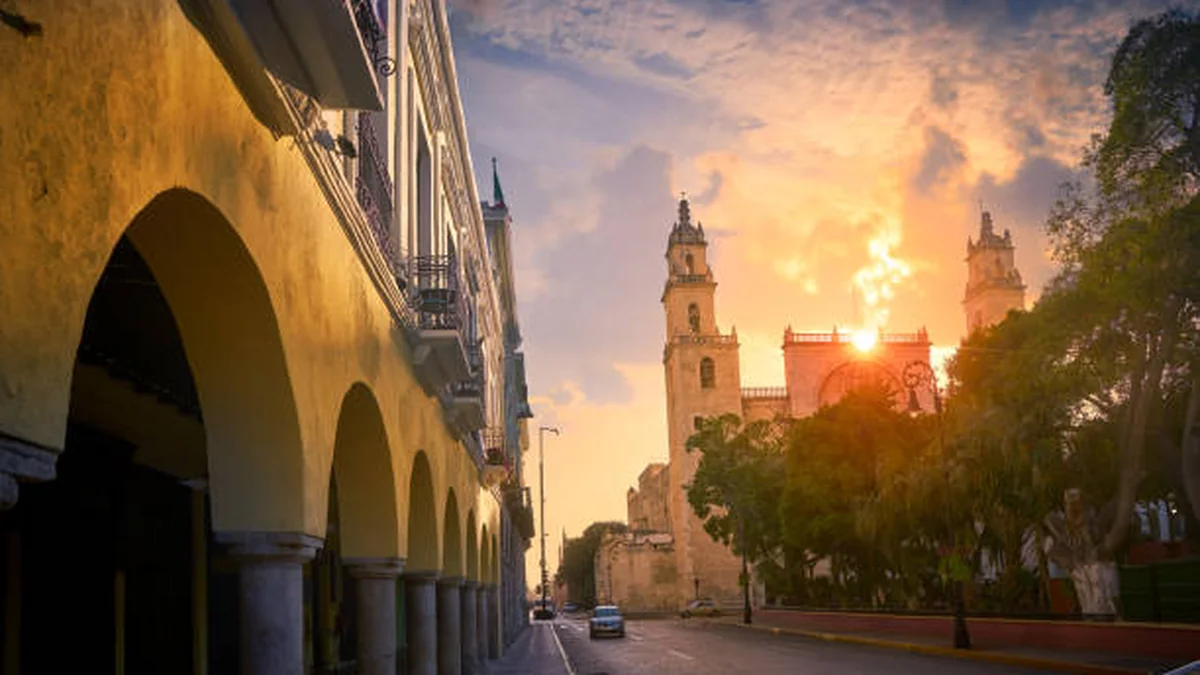
Most people who fly into Cancún never leave the resort strip. That’s fine, if a week of buffet lines and infinity pools is what you’re after. But the Yucatán Peninsula is one of the few places in North America where you can genuinely wander — Mayan cities half-swallowed by jungle, cenotes the color of blue Gatorade, colonial towns that haven’t changed their skyline in 300 years — all connected by good, well-marked highways. A road trip is how you actually see it.
A Yucatan road trip is a self-drive loop through the states of Quintana Roo, Yucatán, and Campeche, typically starting and ending at Cancún International Airport, covering stops like Tulum, Bacalar, Campeche, Mérida, Valladolid, and Chichén Itzá. The core loop takes about 12 hours of pure driving, so even a 7-day trip is doable, though 10–14 days lets you actually enjoy it.
What a Yucatan Road Trip Actually Looks Like
The confusion starts with the name itself. “The Yucatan” gets used two ways: sometimes to mean the whole peninsula, sometimes just the state of Yucatán, home to Mérida. In reality, the peninsula is split across three states — Quintana Roo (the Caribbean coast, home to Cancún and Tulum), Yucatán (the cultural interior, home to Mérida and Chichén Itzá), and Campeche (the quieter Gulf coast). A proper road trip touches all three, or at least two.
That’s also why people underestimate driving times. The peninsula looks compact on a map, but it’s roughly the size of Ireland. Budget more time between stops than you’d expect, and don’t try to see everything on a shorter trip. Pick a loop, not a checklist.
Best Time of Year for a Yucatan Road Trip
December through March is the sweet spot — dry, warm without being punishing, and outside hurricane season. April and May get hot and humid before the rains arrive. June through November is the rainy season, with the tail end of it overlapping hurricane risk on the Caribbean coast; storms don’t usually ruin a whole trip, but afternoon downpours are routine and some coastal roads can flood briefly. If you’re flexible, aim for January or February for the best weather-to-crowd ratio.
Quick takeaway: Go December–March for weather. If you’re on a budget, May or October can work if you don’t mind some heat or rain and want lower prices.
Rental Car, ADO Bus, or Both?
You don’t strictly need a car. Mexico’s ADO bus network, along with smaller operators like Primera Plus, connects every major town on this route with comfortable, air-conditioned coaches, and tickets (bookable through ADO directly or aggregators like Busbud) usually run in the range of a few hundred pesos for a two-hour hop. It’s a legitimate way to do this trip if you’d rather not drive in a foreign country.
But a rental car changes what’s possible. Cenotes, ruins, and the Ruta Puuc towns are often nowhere near a bus stop, and without your own wheels you’re stuck booking tours for things you could easily do independently. Renting is straightforward at Cancún airport, and driving conditions on the main highways are genuinely good — better paved and better signed than a lot of people expect from a first Mexico road trip.
The middle path a lot of travelers land on: rent a car for the mainland loop, then drop it off before a car-free stretch like Isla Holbox, which doesn’t allow regular vehicles anyway.
Driving Rules and Safety You Actually Need to Know
Here’s what most trip reports gloss over.
Topes will wreck your suspension if you don’t watch for them
Speed bumps, called topes, show up constantly — on highways, through small towns, near schools — and some are aggressive enough to damage a car taken over them at speed. They’re usually marked with a yellow “TOPE” sign, but not always, especially at night. This alone is the strongest argument for avoiding night driving on unfamiliar stretches.
Gas station etiquette (and the scam to know about)
Gas stations in Mexico are full-service; an attendant pumps for you, and a small tip is customary. The scam to watch for, most common around Cancún and Playa del Carmen, involves an attendant resetting the pump before you’ve seen the zeroed total, then charging for more fuel than you received. Watch the pump reset to zero before fueling starts, and pay in exact or close-to-exact amounts when you can.
Parking in town centers
Historic centers like Mérida and Campeche use metered street parking, marked with white-painted squares and often paid through a phone number or meter for a small hourly rate. Outside the center, parking is typically free and easy to find. Never leave valuables visible inside the car — trunk everything.
Quick takeaway: Drive during daylight, watch for topes, confirm the pump reads zero before fueling, and keep valuables out of sight.
The Route: Stop by Stop
Cancún and the islands (Isla Mujeres, Isla Holbox)
You’ll almost certainly start here, since it’s the region’s main airport hub. Cancún itself has more going on than its reputation suggests, and it’s a reasonable base for a day trip to Isla Mujeres — small, walkable, best explored by golf cart. Isla Holbox, further north via a ferry from the town of Chiquilá, is car-free and worth two or three nights if bohemian, sand-street islands are your thing; you’ll leave your rental car in a secure lot in Chiquilá while you’re over there.
Tulum and Sian Ka’an
Tulum gives you ruins on a clifftop over turquoise water — one of the few Mayan sites with an actual beach view — plus easy access to some of the region’s best cenotes. Just south, the Sian Ka’an Biosphere Reserve is worth a guided half-day if you want mangroves, wild crocodiles, and a genuinely undeveloped stretch of coast.
Bacalar, the Lake of Seven Colors
Bacalar’s lagoon shifts through bands of blue depending on depth and light, which is exactly what the nickname promises. Kayaking, paddleboarding at sunrise, and a look at the San Felipe Fort round out a couple of days here comfortably.
Campeche
The most overlooked stop on this list, and one of the best-preserved colonial port cities in Mexico — pastel buildings, intact city walls, and none of the tourist density of the coast. Most itineraries either skip it entirely or cut it short, which is the single biggest gap in most trip reports.
Mérida and the Ruta Puuc
Mérida is the peninsula’s cultural capital — museums, colonial mansions, a genuinely great food scene, and neighborhoods that feel lived-in rather than staged for visitors. On the way in from Campeche, detour along the Ruta Puuc to see Uxmal, Kabah, and Labná, a trio of Mayan sites with a distinct architectural style and a fraction of Chichén Itzá’s crowds.
Valladolid, Chichén Itzá, and Ek Balam
Valladolid is the obvious base for Chichén Itzá, one of the New Seven Wonders and still the region’s single biggest draw — go at opening time or on a sunrise tour to beat both the heat and the tour buses. If you want ruins you can actually climb (climbing has been prohibited at Chichén Itzá for years), head to Ek Balam instead, and cool off after at Cenote Xcanché nearby.
Cenotes Worth Building a Day Around
Cenotes are arguably the best reason to do this as a road trip rather than a resort stay — thousands of them dot the peninsula, and a car lets you chase the ones tour buses skip.
- Cenote Ik Kil, next to Chichén Itzá, is the most photographed and the most crowded — striking, but built up with platforms and stairs.
- Cenote Xcanché, near Ek Balam, offers rappelling and a rope swing with a fraction of the crowd.
- The Valladolid cluster — Cenote Suytun, Zací, Samulá, and Dzitnup — lets you cenote-hop without much driving.
- Cuzamá, near Mérida, strings together several cenotes reached by horse-drawn tuk-tuk carts through old henequen plantation land — a genuinely different experience from a swim stop.
Sample Itineraries by Trip Length
| Trip Length | Core Stops |
|---|---|
| 7 days | Cancún → Valladolid → Chichén Itzá → Tulum → Cancún (compact loop, skip the far south and west) |
| 10 days | Cancún → Valladolid → Chichén Itzá → Ek Balam → Tulum → Bacalar → back to Cancún |
| 14 days | Cancún → Tulum → Bacalar → Mérida (via Campeche) → Valladolid → Chichén Itzá → Isla Holbox → Cancún |
| 21 days | Adds Isla Mujeres, extra Mérida day trips (Cuzamá), and unhurried time in Campeche and Bacalar |
A useful rule of thumb across all four: overnight where you’ll actually explore, and treat anything reachable in under two hours as a day trip rather than a fresh hotel stay.
What a Yucatan Road Trip Actually Costs
Costs swing a lot by season and style, but as a rough baseline for two travelers:
- Rental car: economy compact, roughly $25–45 USD/day including basic insurance
- Gas: budget $10–15 USD per 100 km driven
- Accommodation: boutique hotels in Mérida or Bacalar often run $80–200 USD/night; simpler guesthouses can be under $50
- Food: street food and local spots run $5–10 USD per meal; sit-down restaurants closer to $15–25
- Entry fees: Chichén Itzá runs around $30 USD total for both the federal and state fees; smaller sites and cenotes are usually $3–10 USD each
- Parking: roughly 10 pesos/hour in metered town centers, free outside them
What to Skip (and What to Swap It For)
You don’t need Cancún, Playa del Carmen, or Tulum’s beach club strip to have a full trip — all three get crowded and expensive relative to what they offer, and several experienced road-trippers cut them entirely in favor of Campeche, Bacalar, and Isla Holbox. If you’ve already done a resort trip to the Riviera Maya, this is your excuse to go inland and west instead. If you do want beach time, keep it short and prioritize Bacalar’s lagoon or Isla Holbox’s sand streets over the busier coastal towns.
Yucatán road trips reward travelers who build in slack — an extra half-day in Campeche, a slower morning in Mérida — rather than ones who try to hit every stop on every list. Pick a loop that matches your time, rent the car, and let the rest of the route follow the roads that are already there.
Want more travel inspiration? Browse our collection of destination guides.
FAQ Section
How many days do you need for a Yucatan road trip?
A workable minimum is 7 days for a compact loop through Valladolid, Chichén Itzá, and Tulum. Most travelers find 10–14 days lets them add Bacalar, Campeche, and Mérida without rushing.
Is it safe to drive in the Yucatan Peninsula?
Yes, generally — roads are well-maintained and drivers are courteous by regional standards. The main risks are unmarked topes and driving after dark, so stick to daytime driving on unfamiliar routes.
Do I need a car for a Yucatan trip, or can I use buses?
You can do the whole trip by ADO bus between towns, but a car gives you access to cenotes, ruins, and the Ruta Puuc that buses simply don’t reach.
What’s the best time of year for a Yucatan road trip?
December through March offers the driest, most comfortable weather. Avoid peak hurricane season (roughly August through October) if possible.
Should I skip Cancún, Playa del Carmen, and Tulum entirely?
Not necessarily, but you don’t need all three. Many well-planned itineraries skip Cancún’s hotel zone and Playa del Carmen in favor of Bacalar, Campeche, and Isla Holbox, keeping only a short Tulum stop.
How much does a Yucatan road trip cost per person?
Budgeting $60–100 USD per person per day (split rental car, gas, mid-range hotels, and meals) covers a comfortable but not luxury trip; it can run lower with hostels and street food.
What are the best cenotes to add to a road trip route?
Cenote Ik Kil near Chichén Itzá, Cenote Xcanché near Ek Balam, the Valladolid cluster (Suytun, Zací, Samulá, Dzitnup), and the horse-cart cenotes of Cuzamá near Mérida.
Can I do a Yucatan road trip with kids?
Yes — cenotes, beaches, and climbable ruins like Ek Balam tend to work well for families. Just build in shorter driving days and more downtime than an adults-only itinerary.