Most people planning their first Kenya safari itinerary make the same mistake: they pick a number of days first, then try to cram in every park they’ve seen on Instagram. It usually backfires — long drives eat into game-viewing time, and the trip ends up feeling rushed instead of wild.
A solid Kenya safari itinerary runs 7 to 10 days, anchored around the Maasai Mara, with one or two additional parks like Amboseli or Lake Nakuru. Budget travelers can manage a worthwhile 5-day trip; anyone chasing the Great Wildebeest Migration should aim for July through October, when river crossings are most active.
That’s the short version. Here’s everything underneath it.
How Many Days Do You Actually Need
There’s no single right answer, but there is a wrong one: anything under 3 days in the Maasai Mara. You’ll spend so much of it driving that the wildlife barely gets a look-in.
Here’s how the options actually break down:
| Trip Length | Who It Suits | What You Realistically See |
|---|---|---|
| 3–4 days | Tight budgets, short layovers | Maasai Mara only, 2 full game drive days |
| 5–7 days | Most first-timers | Mara + Amboseli or Lake Nakuru, a rest day in Nairobi |
| 8–10 days | Travelers who want depth | Mara + 2 other parks, possibly a conservancy stay |
| 10–14 days | Combination trips | Kenya + Tanzania, or safari + coast |
A quick takeaway a lot of first-timers miss: the drive from Nairobi to the Maasai Mara’s Talek Gate takes roughly six hours by road, with stops at the Great Rift Valley viewpoint and Narok along the way. Flying into the Mara from Wilson Airport cuts that to under an hour, which matters more than people expect once they’re four hours into a bumpy road and still an hour out.
If your schedule allows it, 8 to 10 days hits the sweet spot — enough time in the Mara to actually track a pride of lions over a couple of days, plus one or two parks with a different character.
When to Go — Matching the Calendar to What You Want to See
The Great Wildebeest Migration gets all the attention, and for good reason — but it isn’t the only good window, and it comes with real trade-offs.
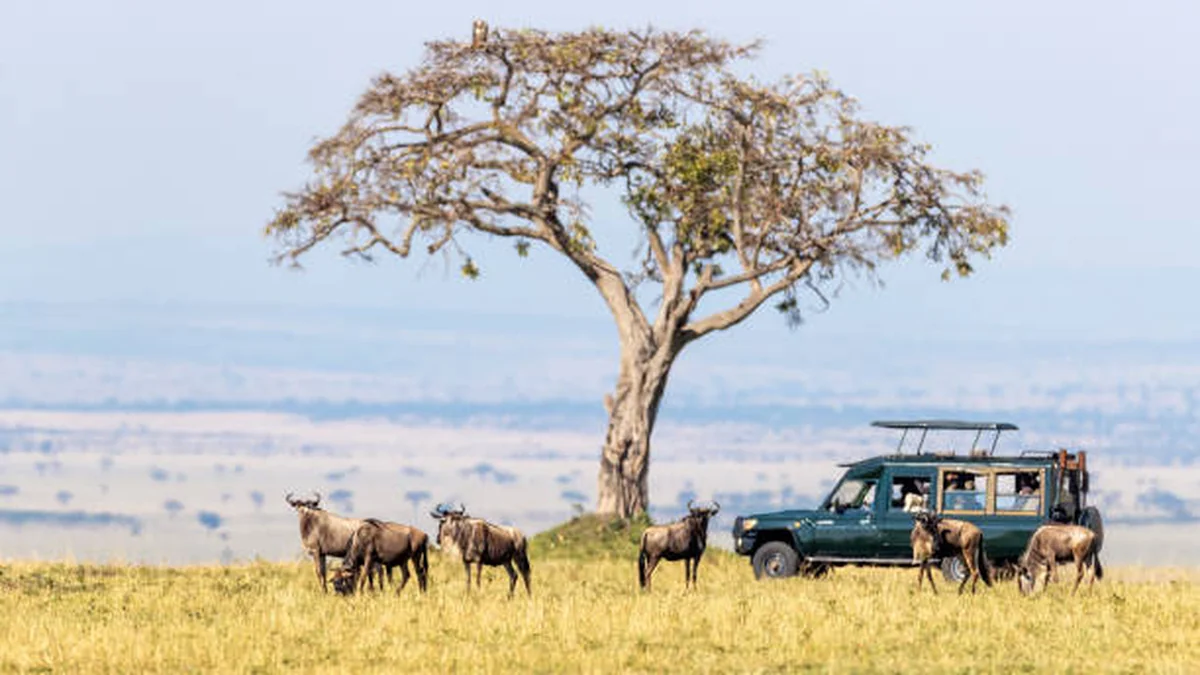
July to October is peak season. This is when the migration herds — close to two million wildebeest, zebra and gazelle — mass on the Mara River and cross in bursts of chaos that are genuinely hard to describe until you’ve seen one. It’s also the driest stretch of the year, which thins out vegetation and makes spotting animals easier. The cost: higher prices, more vehicles at popular sightings, and lodges booked out months ahead.
January and February is the quieter alternative most articles undersell. This is calving season — hundreds of thousands of wildebeest and zebra give birth within a few weeks, which draws predators in for easy pickings. Fewer tourists, lower rates, and dramatic predator action, just without the river crossings.
March to May are the long rains. Roads inside the reserve can turn to mud, and some camps close. It’s the cheapest time to go, and green-season photography has its own appeal, but it’s a harder trip logistically.
November brings short rains — usually less disruptive than the long rains, with a burst of green landscape and good birdwatching, since migratory birds from Europe and Asia arrive around this period.
Quick takeaway: if seeing a Mara River crossing is non-negotiable, book July–October a year out. If you’d rather have the plains mostly to yourself and don’t mind skipping the crossings, January–February is the better-kept secret.
A Sample 8-Day Kenya Safari Itinerary
This is a realistic structure, not a rigid script — swap parks based on what you want to prioritize.
- Day 1 — Arrive Nairobi. Land at Jomo Kenyatta International Airport, transfer to your hotel, rest and adjust. If your flight lands early, the Giraffe Centre is a good half-day stop — it’s run by the African Fund for Endangered Wildlife and lets you hand-feed Rothschild’s giraffes.
- Day 2–4 — Maasai Mara National Reserve. Fly or drive in. Two to three full days of game drives, targeting the Big Five and, in season, the migration herds along the Mara River. Consider one night in a private conservancy (Mara North, Olare Motorogi, or Naboisho) for a night drive or guided walk — activities not permitted in the main reserve.
- Day 5 — Transfer to Lake Nakuru or Amboseli. Nakuru is known for rhino sanctuaries and flamingo-lined shores; Amboseli delivers close encounters with large elephant herds against Kilimanjaro’s backdrop (weather permitting).
- Day 6–7 — Second park game drives. Slower pace, different terrain, different species mix — this is where a Kenya safari itinerary earns its variety.
- Day 8 — Return to Nairobi, departure. Buffer time for delayed flights or a last-minute stop at a curio market.
Quick takeaway: build in at least one full “rest” morning somewhere in the middle. Safari days start before dawn, and back-to-back game drives for eight straight days will wear out even enthusiastic travelers.
What a Kenya Safari Actually Costs
Costs jumped after Kenya’s 2024 park fee increases, and a lot of older guides online still quote pre-2024 numbers — worth knowing if you’re comparing quotes against something you read a while back.
| Tier | Per Person, Per Day | What’s Included |
|---|---|---|
| Budget (shared group) | $180–$300 | Shared vehicle, basic tented camp, park fees |
| Mid-range | $300–$600 | Private vehicle upgrade, comfortable tented lodges, some internal flights |
| Luxury | $600–$1,500+ | Premium camps, private guiding, exclusive conservancy access |
Park entrance fees are a significant chunk of any budget: Maasai Mara National Reserve runs roughly $70–$100 per adult per day in low season and up to $200 in high season, with private conservancies charging $90–$120 per day for the trade-off of fewer vehicles and more activities.
Common add-ons worth budgeting for separately:
- Hot air balloon safari over the Mara: roughly $450–$600 per person
- Maasai village visit: $20–$50 per person
- Guide/driver tips: $10–$20 per day
- Lodge staff tips: $5–$10 per day
Quick takeaway: the biggest lever on total cost isn’t the flights or the operator — it’s accommodation choice. Staying just outside a park gate instead of inside it can cut lodging costs by 30% or more without meaningfully hurting your game drive time.
National Reserve or Private Conservancy — What’s the Real Difference
This is one of the most common points of confusion, and most itinerary guides skip past it.
The Maasai Mara National Reserve is government-managed and open to any licensed vehicle. It has the highest density of wildlife and the main river crossing points — but also the most vehicles at any given sighting during peak months.
Private conservancies (Mara North, Olare Motorogi, Naboisho, and others) sit on land leased directly from Maasai landowners. Camps here operate under strict vehicle caps, meaning far fewer jeeps per sighting. They also allow activities the main reserve doesn’t: off-road driving, night game drives, and guided walking safaris. The trade-off is a higher daily conservancy fee and, in most cases, no access to the river crossing points themselves.
A lot of well-planned itineraries split time between both — a couple of nights in the reserve for the crossings, then a conservancy stay for the exclusivity and walking safaris.
Choosing an Operator (and Avoiding the Common Pitfalls)
Kenya’s safari industry is well developed, but that also means a wide range of operator quality — and not every company delivers what’s promised in the brochure.
A few things worth confirming before you pay a deposit:
- Vehicle type, in writing. “4×4 Land Cruiser with pop-up roof” and “minibus” are not interchangeable, and some travelers report being downgraded without notice.
- Exact camp names, not just “3-star tented camp.” Conditions between similarly rated camps can vary enormously — hot water, food quality, and tent condition are common complaint points.
- What’s included versus what’s extra — park fees, balloon safaris, and village visits are frequently quoted separately.
- Reviews from a platform that aggregates multiple operators, rather than relying solely on a single company’s own testimonials, gives a more honest read on consistency.
Honest downside worth naming: even well-run trips involve long unpaved drives, dust, and heat. If you’re sensitive to bumpy roads or long days in a vehicle, factor internal flights into your itinerary even if they cost more.
Packing, Visas, and Health Basics
Most nationalities need Kenya’s electronic travel authorization (ETA) before arrival — check current requirements against Kenya’s official immigration portal before booking, since visa policy is one of the more frequently updated details on any trip. A Yellow Fever certificate isn’t required to enter Kenya unless you’re arriving from a country with transmission risk, though some onward destinations may ask for proof on your return.
Packing essentials specific to a Kenya safari itinerary:
- Neutral-colored clothing (khaki, olive, tan) — avoid bright colors and pure white
- A warm layer for early-morning game drives, which start cold even in the dry season
- Binoculars — shared pairs in a vehicle rarely satisfy everyone
- A dust-proof camera bag or cover
- Anti-malarial medication, prescribed before travel
- Comfortable closed shoes for walking safaris in conservancies
Extending the Trip — Coast, Tanzania, or Both
If you have 10-plus days, a Kenya safari itinerary pairs naturally with two extensions:
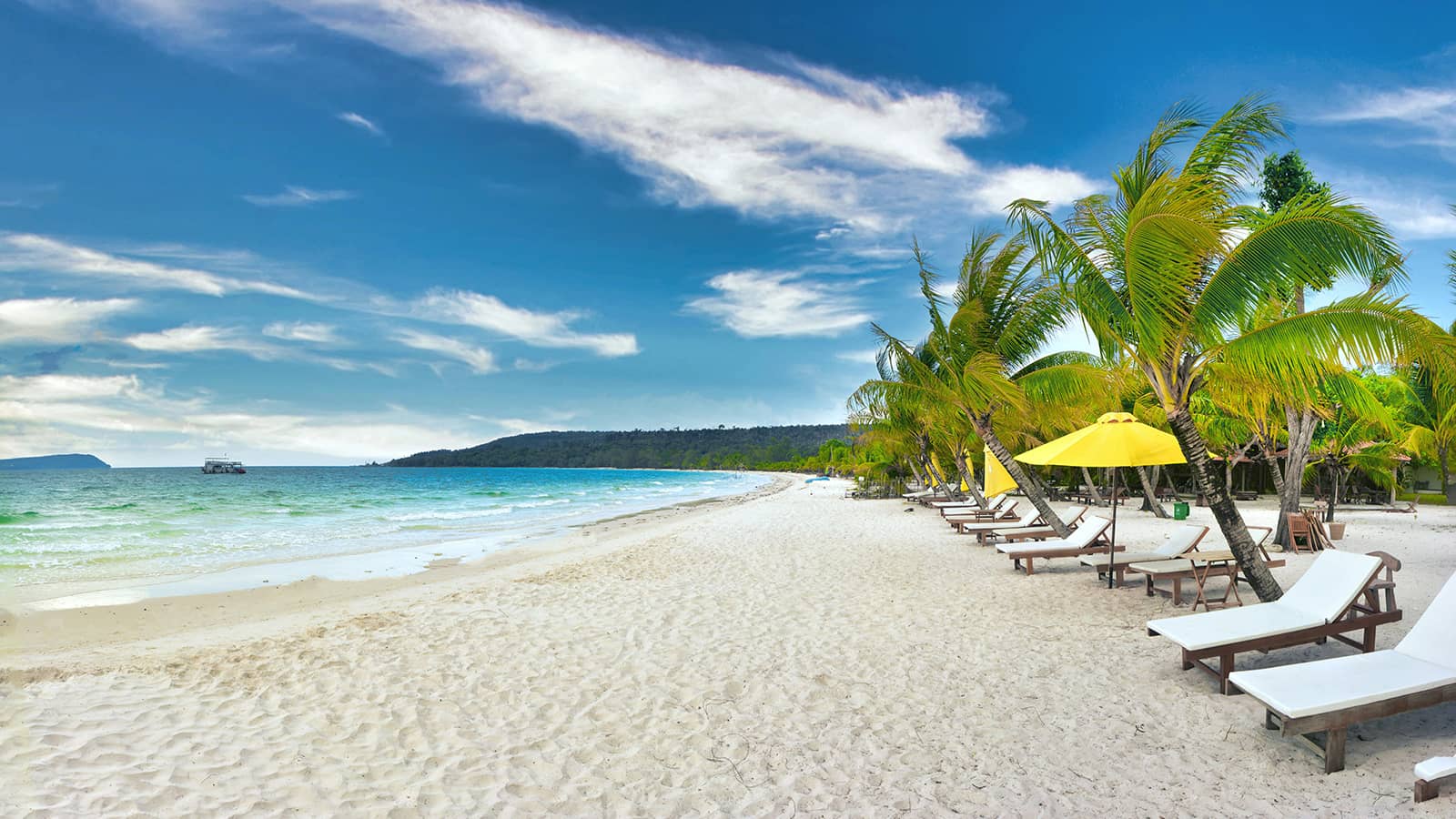
The Swahili Coast (Diani Beach, Mombasa) makes a relaxing bookend after several dusty game-drive days — a genuinely different pace and climate to close out the trip.
Kenya + Tanzania combined lets you add the Serengeti and Ngorongoro Crater to your Maasai Mara days, since the ecosystems are contiguous and wildlife moves across the (unfenced) border. This adds border-crossing logistics and usually a couple of extra travel days, but it’s a strong option if the Great Migration timing works in your favor on both sides.
A well-built Kenya safari itinerary comes down to three decisions: how many days you can realistically give it, which season matches what you want to see, and how you want to balance cost against exclusivity. Get those three right, and the operator and camp choices mostly sort themselves out. If you’re ready to move from planning to booking, start requesting quotes from two or three operators with the exact camps and vehicle type specified in writing — it’s the single best way to compare apples to apples.
For more safari planning guides and wildlife trip ideas, explore our travel guide library.
FAQ Section
How many days do you need for a Kenya safari itinerary?
Most first-timers should plan 7–10 days to comfortably cover the Maasai Mara plus one or two additional parks. A minimum worthwhile trip is 3–4 days, spent entirely in the Mara, though this leaves little room for variety.
What is the best time to visit Kenya for a safari?
July to October is peak season for the Great Migration and Mara River crossings. January–February offers calving season with fewer crowds. March–May (long rains) is the cheapest but logistically harder time to visit.
How much does a Kenya safari cost per day?
Budget safaris run roughly $180–$300 per person per day, mid-range $300–$600, and luxury $600–$1,500+, largely driven by accommodation choice and whether you’re inside a national reserve or a private conservancy.
Is Kenya safe for tourists on safari?
Safari parks and lodges maintain high security, and guided tours reduce most risks. Standard urban precautions apply in Nairobi and Mombasa, but violent crime targeting tourists is rare.
Do I need a visa to visit Kenya?
Most travelers need Kenya’s electronic travel authorization before arrival. Requirements can change, so confirm against Kenya’s official immigration site close to your travel dates.
What’s the difference between the Maasai Mara Reserve and a private conservancy?
The reserve is open to all licensed vehicles and has the highest wildlife density plus the river crossings. Conservancies cap vehicle numbers and allow night drives and walking safaris, at a higher daily fee.
Can I combine a Kenya safari with Tanzania in one trip?
Yes — the Maasai Mara and Serengeti are part of the same ecosystem. A combined 10–14 day itinerary is common, though it adds border-crossing logistics and travel days.
What should I pack for a Kenya safari itinerary?
Neutral-colored clothing, a warm layer for early drives, binoculars, a dust-proof camera bag, prescribed anti-malarial medication, and comfortable closed shoes if visiting a conservancy for walking safaris.