Argentina doesn’t fit into a single postcard. One week you could be sipping Malbec in the shadow of the Andes, and the next you’re standing in freezing spray at the foot of a glacier the size of a small city. Most people who start planning an Argentina vacation get overwhelmed fast — the country is enormous, and “best time to visit” answers change depending on which region you mean.
Quick answer: The best time for an Argentina vacation is during the shoulder seasons — March to May (autumn) or September to November (spring) — when weather is mild nearly everywhere, crowds thin out, and prices drop. Americans can enter visa-free for up to 90 days with a valid passport, though travel health insurance is increasingly requested at the border.
That’s the short version. Here’s everything else you actually need to know before you book.
When to Go: Argentina’s Seasons, Region by Region
Argentina stretches nearly 3,700 kilometers from the subtropical north to the sub-Antarctic south, so “best time to visit” genuinely depends on where you’re headed. Trying to apply one weather forecast to the whole country is the single biggest planning mistake first-timers make.
Summer (December–February): This is peak season for Patagonia and Tierra del Fuego — El Calafate, Bariloche, and Ushuaia are at their most accessible, with long daylight hours ideal for hiking near Los Glaciares National Park. It’s also the busiest and most expensive stretch, especially around the holidays, so book lodges and glacier tours months ahead.
Autumn (March–May): Mendoza’s wine harvest kicks off, the Lake District turns gold, and crowds start to thin. This is widely considered one of the two best windows for a well-rounded trip, though southern Patagonia starts closing down for winter by late April.
Winter (June–August): Buenos Aires stays mild and pleasant even as the south goes quiet — many Patagonian trails and tour operators shut for the season. This is prime time instead for skiing in the Lake District and the Andes, plus comfortable city sightseeing.
Spring (September–November): Jacaranda trees bloom purple across Buenos Aires, whale watching peaks near Peninsula Valdés, and Patagonia starts reopening without summer’s crowds. Along with autumn, this is the shoulder-season sweet spot most repeat visitors recommend.
Quick Takeaway: If your itinerary only includes Buenos Aires, Mendoza, and the north, go almost anytime. If Patagonia is the priority, aim for October–March. If you want it all without summer chaos, shoulder season wins.
Do You Need a Visa? Entry Requirements for 2026
American, Canadian, and most European passport holders can enter Argentina visa-free for tourism, no reciprocity fee required — that fee was scrapped back in 2016. On arrival, you’ll get a 90-day tourist stamp, extendable once for another 90 days at the Dirección Nacional de Migraciones in Buenos Aires, or by doing a border run to Uruguay, Chile, or Brazil.
What you actually need in your bag:
- A passport valid at least 6 months beyond your travel dates
- Proof of onward or return travel (rarely checked, but worth having)
- Proof of accommodation for at least your first few nights
- Travel health insurance — Argentina introduced a rule in 2025 that can require proof of coverage at the border, and while enforcement has been inconsistent so far, it’s cheap enough that skipping it isn’t worth the risk
If your nationality isn’t on the visa-exempt list, you’ll need either an Electronic Travel Authorization (ETA/AVE) or a consular tourist visa, which runs around $150 and requires photos, proof of funds, and a completed application.
Where to Go: Argentina’s Must-See Regions
You won’t see all of Argentina in one trip, and trying to is how people end up exhausted instead of amazed. Pick two or three regions and go deep.
| Region | Known For | Ideal Trip Length |
|---|---|---|
| Buenos Aires | Tango, architecture, steakhouses, Plaza de Mayo | 3–4 days |
| Patagonia (El Calafate, Bariloche) | Perito Moreno Glacier, hiking, lake scenery | 4–7 days |
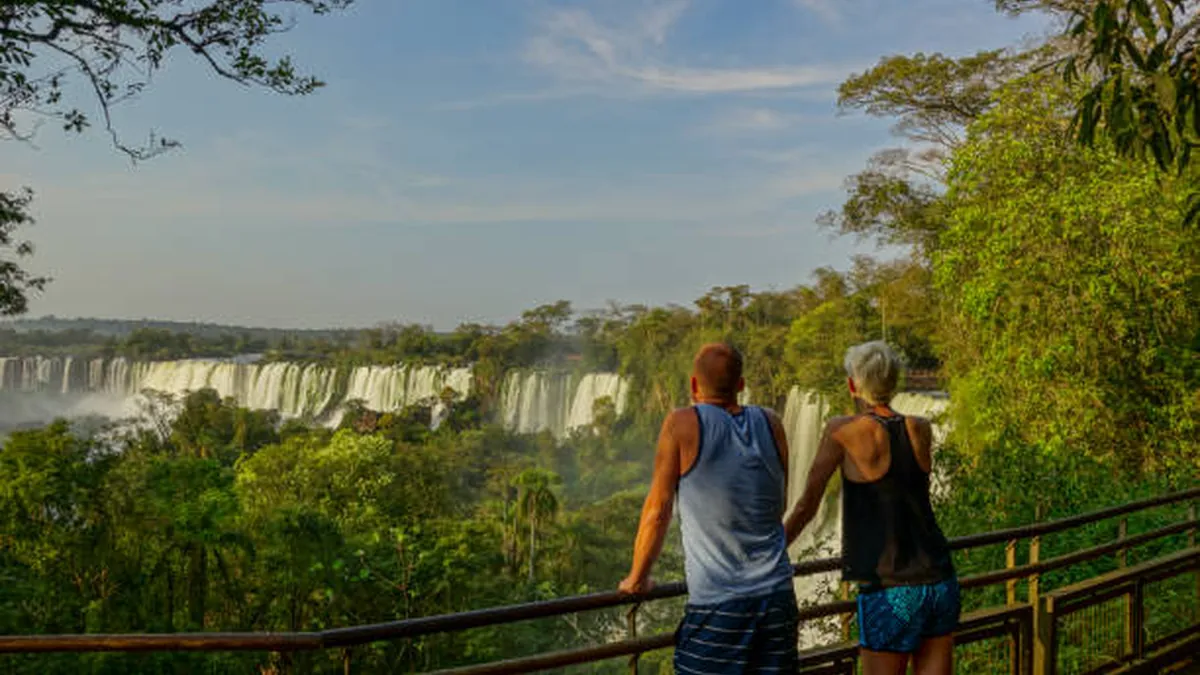
| Iguazú Falls | One of the world’s largest waterfall systems | 2–3 days |
| Mendoza | Malbec wine country, Andes backdrop | 2–3 days |
| Salta & Cafayate | Colonial towns, high-altitude vineyards, canyons | 3–4 days |
| Ushuaia | Southernmost city, Beagle Channel, Antarctica gateway | 2–4 days |
| Peninsula Valdés | Whale watching, penguin colonies | 2 days |
A practical tip most guides skip: if you’re visiting Iguazú Falls, decide early whether you want the Argentine side, the Brazilian side, or both — crossing into Brazil or Paraguay from the falls requires its own separate visa for many nationalities, so check that before you build your itinerary around a day trip across the border.
What Does an Argentina Vacation Cost?
This is the question most competitor guides skip entirely, and it matters more than usual right now because of Argentina’s currency situation. The official peso exchange rate and the informal “blue dollar” rate can differ significantly, and many travelers get noticeably more value exchanging cash through reputable local channels rather than at official bank rates. Ask locals or your hotel for current guidance — this shifts often enough that it’s worth checking on arrival rather than relying on last year’s numbers.
Rough daily budgets:
- Backpacker: hostels, buses, street food — modest daily spend
- Mid-range: boutique hotels, a mix of tours and independent exploring, sit-down asado dinners
- Luxury: private guides, wine-country lodges, glacier flights
Cash is still king in many smaller towns, so carry some, but cards are increasingly accepted in Buenos Aires and major tourist hubs. Tipping around 10% at restaurants is customary.
Getting Around Argentina
Argentina is huge, so transport choices shape your whole trip.
- Domestic flights save days of travel — worth it for Buenos Aires to Patagonia or Iguazú, since driving those distances eats your whole vacation.
- Long-distance buses, especially “cama” (sleeper) class, are comfortable and affordable for shorter regional hops.
- In cities, use a pre-arranged remise (private car service) or your hotel’s recommended radio taxi rather than hailing one off the street — taxi scams targeting tourists have been reported around airports and in central Buenos Aires.
Food, Wine, and Culture You Shouldn’t Skip
An asado — Argentina’s slow-grilled barbecue tradition — isn’t optional, it’s the culture. Pair it with a glass of Malbec from Mendoza or the high-altitude vineyards around Cafayate, and you’ve covered the two things Argentines are proudest of. In Buenos Aires, catch a tango show, but also just watch how naturally it shows up in daily life — plazas, cafés, street corners.
Out on the pampas, an estancia (working cattle ranch) stay puts you face to face with gaucho horsemanship traditions that predate the country’s cities. Dinner in Argentina runs late — 9 or 10pm in Buenos Aires isn’t unusual — so pace your day accordingly.
Is Argentina Safe for Tourists?
Argentina is generally safe for visitors who take normal city precautions. Petty theft and scams — particularly around taxis and crowded tourist areas — are the most common issues, not violent crime aimed at travelers. Keep your passport in a hotel safe and carry a photocopy, avoid resisting if robbed, and stick to pre-arranged transportation after dark. Popular outdoor activities like Patagonia trekking and Aconcagua climbs come with genuine environmental risk, so use licensed operators and don’t skip the safety briefing just because it feels like a delay.
Sample Argentina Itineraries by Trip Length
7 days: Buenos Aires (3) → Iguazú Falls (2) → Buenos Aires departure (2)
10 days: Buenos Aires (3) → El Calafate/Patagonia (4) → Buenos Aires (3)
14 days: Buenos Aires (3) → Mendoza (3) → El Calafate (4) → Ushuaia (2) → Buenos Aires (2)
Quick Takeaway: Fewer regions, more days each, always beats a rushed grand tour. Patagonia alone deserves 4+ days if you’re including it at all.
Conclusion
An Argentina vacation rewards travelers who plan around region-specific seasons instead of one blanket “best time to go.” Sort out your visa-free 90 days, budget with the blue dollar rate in mind, pick two or three regions instead of ten, and build in real time for Patagonia if it’s on your list. Start narrowing down your dates and regions now, and the rest of the planning falls into place fast.
Explore more destinations like this in our full travel guide collection.
FAQ Section
How many days do you need for an Argentina vacation?
Ten to fourteen days lets you comfortably combine Buenos Aires with one major region like Patagonia or Mendoza. A week works for a Buenos Aires-plus-Iguazú trip, but rushing Patagonia into a week alongside other stops usually backfires.
What is the best month to visit Argentina?
There’s no single best month for the whole country. October–November and March–April offer the best overall balance of weather and lower crowds, while December–February suits Patagonia specifically.
Do Americans need a visa for Argentina?
No. US passport holders can enter visa-free for up to 90 days, with no reciprocity fee, provided their passport is valid at least 6 months beyond arrival.
Is Argentina expensive to visit?
It varies widely by how you exchange currency and where you stay. Understanding the blue dollar rate before your trip can meaningfully change your budget compared to using official bank rates.
Is Argentina safe for tourists right now?
Yes, with normal precautions. Petty theft and taxi scams are the main risks tourists face, not violent crime targeting visitors.
What currency should I bring to Argentina?
US dollars in good condition are widely useful for exchange, alongside a card for cities. Check current blue dollar guidance locally rather than relying on outdated figures.
Can you drink the water in Argentina?
Tap water is generally safe in Buenos Aires and major cities, though many travelers prefer bottled water in remote or rural regions as a precaution.
Is Iguazú Falls better from Argentina or Brazil?
The Argentine side gets you closer to the falls with more trail access; the Brazilian side offers the best panoramic views. Crossing between them may require a separate visa depending on your nationality, so check before planning a two-country day trip.