Planning a Colombia roteiro is trickier than it looks, because the country is simply too big to “see it all” in one trip. Between mountains, beaches, desert, and rainforest, each region calls for a different travel style — and that’s where most self-planned itineraries fall apart.
A solid Colombia roteiro combines at least one Andean city (Bogotá or Medellín) with one Caribbean destination (Cartagena, San Andrés, or Santa Marta). Ten days is enough to cover the essentials; with 7 days, pick one region only; beyond 15 days, you can start exploring the interior too.
That answers the most common question right away. Now let’s get into the details that separate a generic itinerary from one that actually fits your pace.
How many days do you actually need in Colombia
There’s no single “perfect” Colombia roteiro — there’s the right itinerary for the time you have. In practice, most trip lengths follow this logic:
| Days available | What you can realistically do |
|---|---|
| 5–7 days | One region only: Bogotá plus a day trip, or Caribbean-only (Cartagena/San Andrés) |
| 10 days | Bogotá + Medellín + Cartagena (the “classic trio”) |
| 14–15 days | Classic trio plus Santa Marta/Tayrona or the Coffee Region |
| 20–21 days | Add San Andrés/Providencia or the far north (Punta Gallinas, Cabo de la Vela) |
| 25–30 days | Nearly the whole country: add Cali, Popayán, the Tatacoa Desert, and the full Caribbean coast |
Quick Takeaway: if this is your first trip to Colombia and you have fewer than 10 days, resist the urge to cram in four cities. Staying longer in fewer places beats a rushed itinerary — internal transfers eat up more time than they look like on a map.
Andes or Caribbean? How to choose your itinerary’s focus
The country splits, in practice, into two very different experience zones, and understanding this avoids a classic mistake in self-planned Colombia itineraries.
- Andes (interior): Bogotá, Medellín, the Coffee Region, Villa de Leyva. Focus on culture, museums, colonial architecture, coffee, and mild weather (sometimes cool at night, due to altitude).
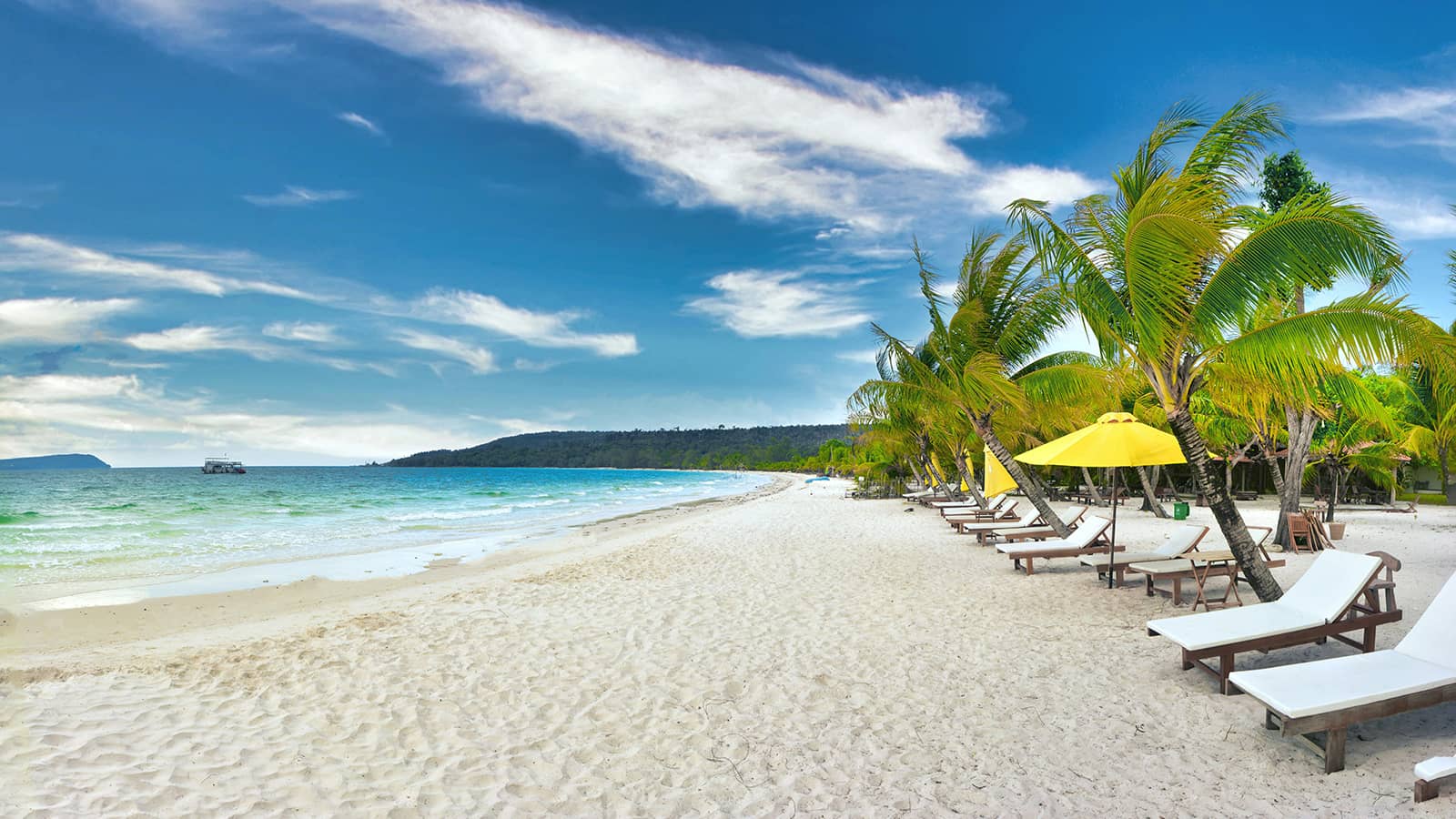
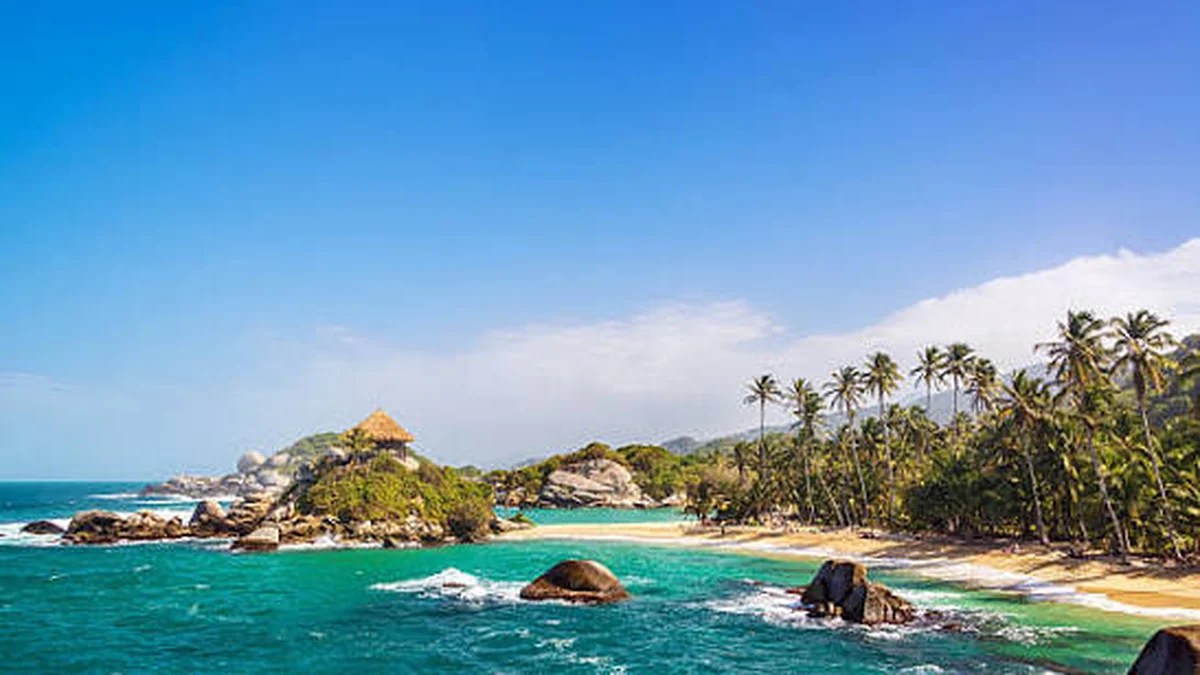
- Caribbean (coast): Cartagena, Santa Marta, Tayrona National Park, San Andrés. Focus on beaches, diving, year-round heat, and coastal nightlife.
Travelers who try to stitch both regions into a short trip usually end up spending more time in airports than at their destinations. It’s better to pick one dominant region and, if time allows, add the other as a complement.
A ready-made 10-day Colombia roteiro
This is the most-searched format because it balances time, cost, and variety well. The logic: Bogotá as the entry point, Medellín in the middle, Cartagena to close out with beach time.
Bogotá (3 days)
Many travelers use Bogotá only as a layover — that’s a mistake. The Colombian capital sits at 2,600 meters of altitude, which explains its mild year-round climate, and it holds a large share of the country’s culture.
- Day 1: La Candelaria (historic center), the Gold Museum, and the Botero Museum.
- Day 2: Monserrate Hill by cable car or funicular for a view over the whole city; in the evening, Zona T or Zona G for dinner.
- Day 3: Day trip to the Zipaquirá Salt Cathedral (about 1.5 hours away) or to Guatavita Lagoon, linked to the El Dorado legend.
Medellín (3 to 4 days)
Known as the “city of eternal spring,” Medellín has changed dramatically over the past decade and is now a highlight of most Colombia itineraries.
- Comuna 13, to understand the neighborhood’s transformation through street art.
- Parque Arvi, reachable by cable car.
- Day trip to Guatapé and the Peñol Rock (220 meters tall, 740 steps, and a view worth the climb).
Cartagena (3 days)
Closing the itinerary with beach and colonial history.
- The walled historic center and the Getsemaní neighborhood.
- San Felipe de Barajas Castle.
- A day boating out to the Rosario Islands or Barú beach.
Other itinerary options by trip length
7 days
Pick one focus only. Two combinations work well: Bogotá + Medellín (culture/city focus) or Cartagena + San Andrés (beach focus). Trying both in a week leaves the itinerary feeling rushed.
15 to 20 days
You can follow the 10-day itinerary above and add Santa Marta, Minca, and Tayrona National Park — a nature reserve between the sea and the Sierra Nevada, considered sacred land by the region’s Indigenous communities. Travelers who prefer more beach time can swap this extension for San Andrés and Providencia.
25 to 30 days
This is enough time for nearly the whole country: Cali for salsa dancing, Popayán, the Tatacoa Desert, and a deeper dive into the Caribbean coast, including less touristy stretches like Barranquilla.
Entry requirements and documentation
Good news: the paperwork for most visitors is light, but a few details trip up unprepared travelers at the airport.
- Passport valid for at least 6 months after your departure date from the country.
- Visa: not required for stays of up to 90 days for many nationalities (check your specific country’s requirement).
- Check-Mig: a mandatory online form, filled out between 72 hours and 1 hour before entering the country.
- Yellow fever certificate: required for entry.
- Onward or return ticket: may be requested at check-in; travelers without a fixed return date often buy a temporary onward ticket just to show proof of exit.
How much does a trip to Colombia cost
The cost of a Colombia roteiro varies a lot depending on travel style, but overall it runs cheaper than several other popular South American destinations.
| Profile | Approximate cost (10 days, excluding international flights) |
|---|---|
| Budget | US$500 – 750 |
| Mid-range | US$800 – 1,300 |
| High-end | US$1,500 – 2,500+ |
For day-to-day spending (food, local transport, entrance fees), plan for roughly US$50 to US$80 per person per day — which adds up to somewhere between US$500 and US$800 for 10 days, depending on exchange rates and spending habits.
Safety: what to know before you go
The main tourist routes — Bogotá, Medellín, Cartagena, San Andrés — are policed and generally safe for anyone taking the normal precautions of any large Latin American city: keep an eye on your belongings, avoid non-touristy areas at night, and use a rideshare app instead of hailing a taxi off the street.
Colombians sum this up with a phrase worth remembering: “no dar papaya” — literally “don’t give away papaya” — meaning don’t make yourself an easy target: don’t flash an expensive phone on the street, don’t leave a bag open, that kind of thing.
Common mistakes when planning a Colombia roteiro yourself
- Packing in too many cities. Every city change eats up half a day between transfers and check-in/check-out.
- Underestimating Bogotá’s altitude. Some travelers feel mild shortness of breath or a headache on day one — stay hydrated and skip alcohol on arrival.
- Waiting to buy tour tickets on the spot. Several attractions (the Monserrate cable car, Cartagena boat tours) sell out or cost more if bought last-minute.
- Not factoring in overland travel time between cities. Bogotá–Medellín takes 7 to 8 hours by road versus 30–40 minutes by air. Worth weighing the cost-benefit before locking in the itinerary.
- Forgetting the Check-Mig form. It only takes a few minutes, but skipping it can cause problems on arrival.
Conclusion
A well-built Colombia roteiro isn’t about squeezing in as many places as possible — it’s about matching the right combination of cities to the time and travel style you actually have. With 10 days, the Bogotá–Medellín–Cartagena trio already gives you a solid sample of the country; with more time, you can add pure Caribbean stretches, coffee country, or the desert in the interior. Start by deciding how many days you have, choose between Andes and Caribbean (or both, at a relaxed pace), and sort out your documentation early — the rest of the planning flows from there.
Looking for more itinerary ideas? Check out our complete collection of travel guides.
FAQ
How many days is ideal for a Colombia roteiro?
Ten days is enough to cover Bogotá, Medellín, and Cartagena at a comfortable pace. Seven days works if you focus on one region only, and from 15 days on you can combine the Caribbean coast with the interior.
Do I need a visa to visit Colombia?
Many nationalities don’t need a visa for stays of up to 90 days — just a valid passport, a yellow fever certificate, and the Check-Mig form completed before arrival. Requirements vary by nationality, so check your country’s specific rules.
Is Colombia safe for tourists?
The main tourist routes — Bogotá, Medellín, Cartagena, San Andrés — are policed and generally safe with the basic precautions of any large Latin American city, like avoiding non-touristy areas at night.
What’s the best time to visit Colombia?
The driest periods run from December to March and July to August, which are ideal for the Caribbean coast. Outside those months it rains more, but the country has a tropical climate year-round due to its proximity to the equator.
How much does a 10-day Colombia trip cost?
Excluding international flights, costs range from around US$500 (budget travelers) to over US$2,500 (high-end), depending on accommodation, internal transport, and activities.
Can you take a bus from Bogotá to Cartagena?
Technically yes, but the route is long and tiring. Most travelers fly between the main cities instead, since domestic flights tend to be affordable.
Is San Andrés worth adding to the itinerary?
Yes, especially for travelers focused on beaches and diving. It’s a separate destination, so it typically fits into itineraries of 15+ days, or as the sole focus of a 7-day Caribbean-only trip.
What shouldn’t you skip on a Colombia roteiro?
The Gold Museum and Monserrate Hill in Bogotá, Comuna 13 in Medellín, and the walled historic center of Cartagena are the most frequently mentioned highlights among past travelers.