Most people give Kyoto three days and leave wishing they’d had five. The city’s temples, historic neighborhoods, and day-trip options add up fast — and if you plan by “top sights” instead of by geography, you’ll burn half your trip on trains crisscrossing the city.
Quick answer: A Kyoto itinerary works best when built around neighborhoods, not a scattered bucket list. Spend 3–5 days grouping sights by area — Southern Higashiyama, Arashiyama, downtown, and Northern Higashiyama — then add a Nara or Uji day trip if time allows. This cuts transit time and beats the crowds.
How Many Days Do You Actually Need in Kyoto?
Three days is the minimum for a satisfying first visit. It covers the essentials but moves fast. Five days is the sweet spot most repeat visitors land on eventually — enough time to slow down, add a day trip, and skip the mid-afternoon temple fatigue that hits around day three.
Here’s how the options actually compare:
| Days | What You Realistically Cover | Best For |
|---|---|---|
| 1 day | Fushimi Inari + one Higashiyama walk | Layover or add-on to a Tokyo/Osaka trip |
| 2 days | Southern Higashiyama + Arashiyama | Very tight schedules |
| 3 days | Above + downtown Kyoto (Nijo Castle, Kinkaku-ji, Nishiki Market) | Short but complete first visit |
| 4 days | Above + Northern Higashiyama and the Philosopher’s Path | Better pacing, less rushing |
| 5 days | Above + a Nara or Uji day trip | First-timers who want depth, not just highlights |
Quick takeaway: If you’re only choosing one number, pick 4. Three feels rushed by the last afternoon; five is ideal but not everyone has it. Four gets you almost everything without the exhaustion.
Kyoto Itinerary by Neighborhood, Not Just by Sight
The biggest planning mistake is treating Kyoto’s sights like a checklist instead of a map. Group your days by area and you’ll spend far less time on buses.
Day 1 — Southern Higashiyama and Gion
Start at Fushimi Inari Taisha early — ideally before 8am. The thousands of vermillion torii gates that wind up Mount Inari are the single most photographed sight in Kyoto, and they’re genuinely crowded by mid-morning. You don’t need to hike the full loop; walking up to Shin-ike Pond gives you the classic view without the two-hour round trip.
From there, head into Southern Higashiyama for Kiyomizu-dera, a wooden temple perched on a hillside with sweeping city views. The walk down through the preserved streets of Ninenzaka and Sannenzaka is as much a highlight as the temple itself.
End the day in Gion, Kyoto’s historic geisha district. Hanami-koji Street is lined with machiya houses, and if you’re lucky, you’ll spot a maiko hurrying between appointments — don’t stop them for photos, it’s considered rude and they’re usually on the way to work. Walk along the Shirakawa Canal at dusk, then find dinner in Pontocho Alley, a narrow lane of restaurants overlooking the Kamo River.
Day 2 — Arashiyama
This district sits on the western edge of the city and needs a half or full day on its own. Arashiyama Bamboo Grove (also called Sagano Bamboo Forest) is the draw, but go right at opening — it’s one of the few Kyoto sights that gets genuinely uncomfortable by late morning.
Pair it with Tenryu-ji Temple, a UNESCO World Heritage Site with one of the city’s best zen gardens, accessible right next to the bamboo grove’s north gate. If you have kids or just like animals, Iwatayama Monkey Park is a short, steep walk up for hilltop views and wild macaques. Quieter alternatives nearby — Gio-ji and Adashino Nembutsu-ji — get a fraction of the visitors and are worth the extra ten minutes on foot.
Day 3 — Downtown Kyoto
Spend the morning at Nishiki Market, a covered arcade of food stalls that’s the closest thing Kyoto has to a culinary crash course — pickles, skewers, fresh seafood, matcha sweets. From there, Nijo Castle offers a different kind of history: the “nightingale floors” were designed to creak and warn of intruders.
In the afternoon, head to Kinkaku-ji, the Golden Pavilion. It’s genuinely worth the hype and the crowds — the gold-leaf building reflecting off its pond is one of the most photographed scenes in Japan. Pair it with one of Kyoto’s celebrated rock gardens nearby if you want a quieter contrast.
Day 4 — Northern Higashiyama and the Philosopher’s Path
This is the day most 3-day itineraries skip, and it’s a mistake. Start at Ginkaku-ji, the Silver Pavilion — less flashy than Kinkaku-ji, more contemplative, with a striking sand garden. From there, walk the Philosopher’s Path, a canal-side route lined with cherry trees that’s stunning in spring and quiet nearly year-round. Detour to Nanzen-ji or Honen-in along the way, then finish at the Imperial Palace Gardens if you have energy left.
Day 5 — Nara Day Trip
If you’ve got a fifth day, Nara is the easiest and most rewarding add-on. See the day-trip section below for full details.
Worthwhile Day Trips: Nara and Uji
Nara is about 45 minutes from Kyoto Station by direct train, and it’s genuinely a different world — over 1,000 sacred deer roam freely through Nara Park, and most will bow for a deer cracker (some are less polite about waiting their turn). Nara’s temples are on the same historical tier as Kyoto’s, just far less crowded. Budget a half to full day.
Uji is a smaller, quieter alternative if you’d rather not do a full Nara day. It’s known for green tea production and Byodo-in Temple, whose Phoenix Hall appears on the 10-yen coin. It’s less visited than Nara, which makes it a good option if you’re avoiding crowds more than checking off famous names.
Where to Stay in Kyoto (and Where to Avoid)
Gion is the most atmospheric choice — walkable to Southern Higashiyama, close to the subway, and the neighborhood itself is part of the experience at night. Higashiyama more broadly offers similar charm with slightly more room to breathe.
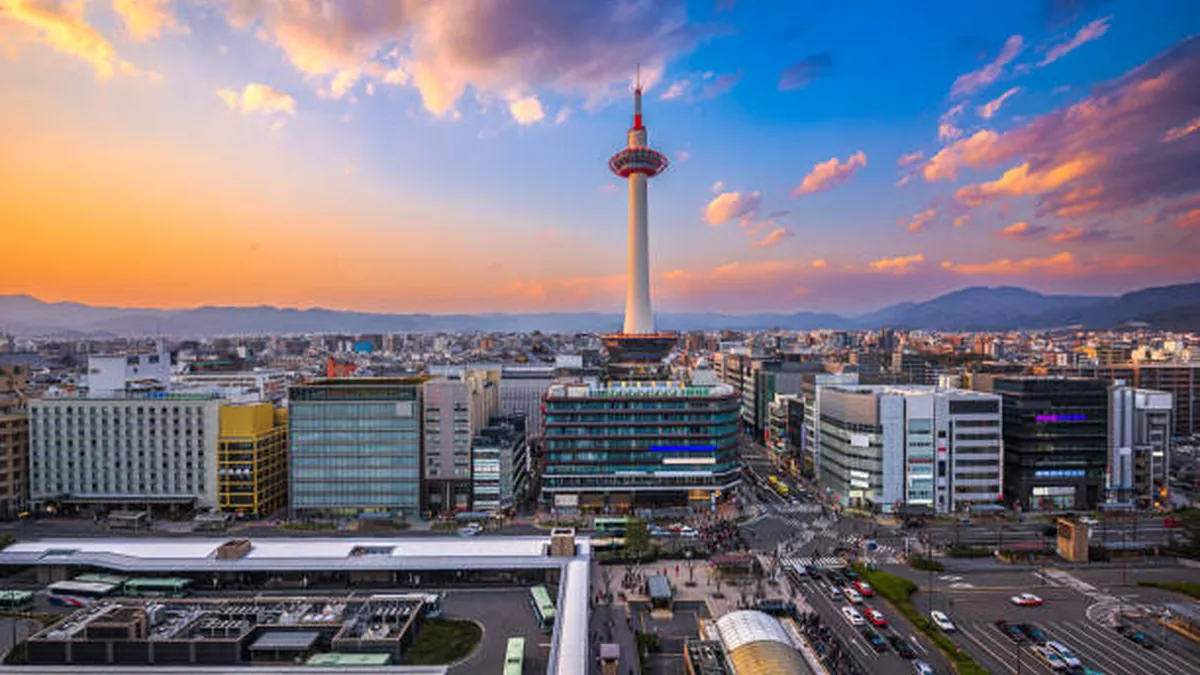
Kyoto Station is convenient for train access and has plenty of dining, but it lacks the traditional character found elsewhere in the city — fine for a one-night stopover, less ideal as a base for a longer stay.
Best Time to Visit and How to Beat the Crowds
Cherry blossom season (late March through early April) and fall foliage (mid-to-late November) are Kyoto’s two peak windows, and both are worth the crowds if your dates allow. Outside those windows, Kyoto is noticeably calmer and often cheaper.
Whatever the season, timing beats luck. Arrive at major sights — Fushimi Inari, Arashiyama Bamboo Grove, Kinkaku-ji — right at opening or in the last hour before closing. Many temples and museums close on Mondays, so avoid building a Monday-heavy itinerary around specific attractions; check individual opening days before you lock in a schedule, especially around national holidays.
Practical Planning: Getting Around, JR Pass, Cash, and Packing
Kyoto is best explored on foot and by bus rather than train — the subway network is limited compared to Tokyo’s, and buses run more frequently in most tourist areas. Expect to walk considerably more than you think; some visitors report covering close to 11 miles in a single sightseeing day.
JR Pass: worth doing the math before buying. A 14-day ordinary JR Pass runs around ¥80,000. If your trip is Kyoto-only with day trips to Nara or Uji, you likely won’t recoup that cost — it makes far more sense if you’re also covering long-distance routes like Tokyo to Kyoto by Shinkansen.
Cash: cards are more widely accepted than they used to be, but many small restaurants, markets, and temples remain cash-only. Keep yen on hand and use convenience store ATMs (7-Eleven and Lawson are the most reliable) to top up.
Packing: comfortable walking shoes are non-negotiable given the daily distances. Dress modestly for temple visits — covered shoulders, no very short skirts — and pack layers if you’re visiting in fall or winter, when mornings run cold and afternoons warm up fast.
Temple fees: budget modestly. Most entrance fees run 500 to 1,000 yen per site, so a temple-heavy day rarely breaks the bank on admissions alone.
A well-planned Kyoto itinerary comes down to grouping by neighborhood, timing your mornings around the crowds, and being honest about how many days you actually have. Three days works if that’s what you’ve got. Five lets you slow down and add Nara. Either way, start with Fushimi Inari early, save Gion for evenings, and don’t over-schedule Arashiyama and downtown into the same day — they’re on opposite sides of the city.
If you’re still finalizing dates, check seasonal crowd and weather patterns for your travel window before you lock in a day-by-day plan, and consider booking a guided tour for Arashiyama or Fushimi Inari if you’d rather not manage timing and routes yourself.
For more expert travel tips and itineraries, explore our travel planning resources.
FAQ Section
Is 3 days enough for Kyoto?
Yes, but it’s tight. Three days covers Southern Higashiyama, Arashiyama, and downtown Kyoto comfortably, but you’ll likely skip Northern Higashiyama and any day trips. It works well if this is a stop within a larger Japan trip.
How many days should I spend in Kyoto?
Four days is the sweet spot for most first-time visitors — enough to cover the major districts without rushing. Five days lets you add a Nara or Uji day trip.
What is the best area to stay in Kyoto?
Gion or Higashiyama offer the most walkable access to major sights and the most traditional atmosphere at night. Kyoto Station area is convenient for trains but less charming.
Is the JR Pass worth it for a Kyoto-only trip?
Usually not. The JR Pass pays off best on longer, multi-city Japan trips. For Kyoto plus a Nara or Uji day trip, individual tickets are typically cheaper.
Can I day trip to Nara from Kyoto?
Yes. Nara is about 45 minutes away by direct train and makes an easy half-to-full-day trip, known for its free-roaming deer and historic temples.
What’s the best time of year to visit Kyoto?
Late March to early April for cherry blossoms, and mid-to-late November for fall foliage. Both are peak crowd periods but widely considered worth it.
Is Kyoto walkable, or do I need a car?
Kyoto is very walkable within neighborhoods, with buses connecting districts. A car isn’t necessary and parking near major sights is limited.
Do I need cash in Kyoto?
Yes, keep yen on hand. Many small restaurants, markets, and some temples are cash-only, even though card acceptance has improved in recent years.