Most people who fly to Egypt see the pyramids, cruise the Nile, and go home. Almost none of them make it to Siwa Egypt — a desert oasis so far from everything else in the country that getting there is half the adventure.
Siwa Egypt is a remote oasis in the country’s Western Desert, close to the Libyan border, known for its salt lakes, mud-brick Shali Fortress, and the ancient Temple of the Oracle where Alexander the Great was declared a pharaoh in 331 BC. It’s reached by an 8–13 hour drive from Cairo and rewards visitors with a slower pace, distinct Amazigh culture, and landscapes unlike anywhere else in Egypt.
Siwa Egypt Location: Where Is It, and Why Go?
Siwa sits roughly 560–740 kilometers west of Cairo, tucked into the Western Desert near the Libyan border and on the edge of the Great Sand Sea, part of the Sahara. The oasis floor is unusually low — around 25 meters below sea level — and it isn’t far from the Qattara Depression, one of the lowest points in Africa.
What makes Siwa Egypt different from Luxor or Aswan isn’t just distance. The oasis stayed cut off from the rest of Egypt until a paved road finally reached it in the 1980s. That isolation let a distinct culture take root: locals here are Amazigh (Berber), not Arab-Egyptian, and many still speak Siwi as a first language.
Quick takeaway: if you want the classic Egypt of temples and the Nile, Siwa is not that trip. If you want turquoise salt pools, palm groves, mud-brick ruins, and a genuinely different pace of life, it’s one of the country’s best-kept destinations.
How to Get to Siwa Egypt from Cairo
There’s no commercial airport in Siwa, so every route runs by road. The closest airport is Marsa Matrouh, about 4 hours away by car or bus.
| Route | Duration | Notes |
|---|---|---|
| Direct night bus, Cairo–Siwa | 10–13 hours | Cheapest option; buses leave Cairo around 10 PM |
| Private car/taxi, Cairo–Siwa | 8–9 hours | Faster, more flexible, higher cost |
| Cairo–Alexandria–Siwa (broken up) | 2 days | Stop overnight in Alexandria, then 7–8 hours onward |
| Fly to Marsa Matrouh, then transfer | ~1 hr flight + 4 hrs road | Best if you’re short on time |
Whichever way you go, you’ll pass through at least one military checkpoint — expect a passport check and a bag search, since the route runs close to the Libyan border. It’s routine, if a little disorienting the first time.
Consensus among travelers: breaking the journey up in Alexandria or Marsa Matrouh makes the trip far more bearable than doing it in one overnight haul, and it lets you see Egypt’s north coast along the way.
Siwa Egypt History — the Oracle That Made Alexander a Pharaoh
Siwa’s most famous historical moment happened in 331 BC, when Alexander the Great made the grueling desert crossing specifically to consult the Oracle of Amun at what’s now called the Temple of the Oracle. According to the story, the oracle declared him the son of Amun and a legitimate ruler of Egypt — a moment that helped cement his authority over the country.
The temple predates that visit by centuries; the oracle was already renowned enough to draw the Persian king Cambyses and, later, Roman-era visitors. Nearby, the Mountain of the Dead (Gebel al-Mawta) holds tombs cut into rock from the 26th Dynasty (664–525 BC), reused as burial sites through the Greek and Roman periods — and, oddly, as hiding places during World War II.
The Best Things to Do in Siwa Egypt
- Shali Fortress (Shali Ghadi): the ancient hilltop core of Siwa town, built from kershef, a local mix of salt and clay. Abandoned after severe rains damaged it in 1926, it still dominates the skyline and glows gold at sunset.
- Temple of the Oracle: the ruined but still atmospheric site of Alexander’s visit, with an open court, inner sanctuary, and deep well.
- Mountain of the Dead: a hillside honeycombed with tombs; four are open to visitors, including the tomb of Si Amun with its mixed pharaonic, Greek, and Roman artwork.
- Salt lakes and salt pools: the reason many people come. The water is dense enough that you float effortlessly, similar to the Dead Sea — just watch for sharp salt crystals in shallower pools.
- Fatnas Island (Fantasy Island): a small island on Siwa Lake, best at sunset, with simple cafes serving tea and cold drinks.
- Great Sand Sea: jeep safaris and sandboarding on the dunes bordering the oasis. This is where the security protocol matters most — trips near the Libyan border typically require permits, a convoy, and an armed guard, arranged through your guide.
- Cleopatra’s Spring: a natural spring popular for a swim, tied to local legend about Cleopatra’s own visit.
- House of Siwa Museum: a small, locally run museum of Amazigh clothing, pottery, and tools — worth seeking out even though it barely has an online footprint.
Best Time to Visit Siwa Egypt
| Season | Months | Daytime Temp | Notes |
|---|---|---|---|
| Peak season | October–April | 18–30°C | Cool nights, ideal for desert trips |
| Shoulder | February–April | Mild, windier | Wildflowers appear in the desert |
| Avoid | June–August | 40°C+ | Harsh, dusty, hard on outdoor plans |
Pack warm layers regardless of season — desert nights drop sharply even when the days are pleasant.
Siwa Egypt Culture, Language, and Food
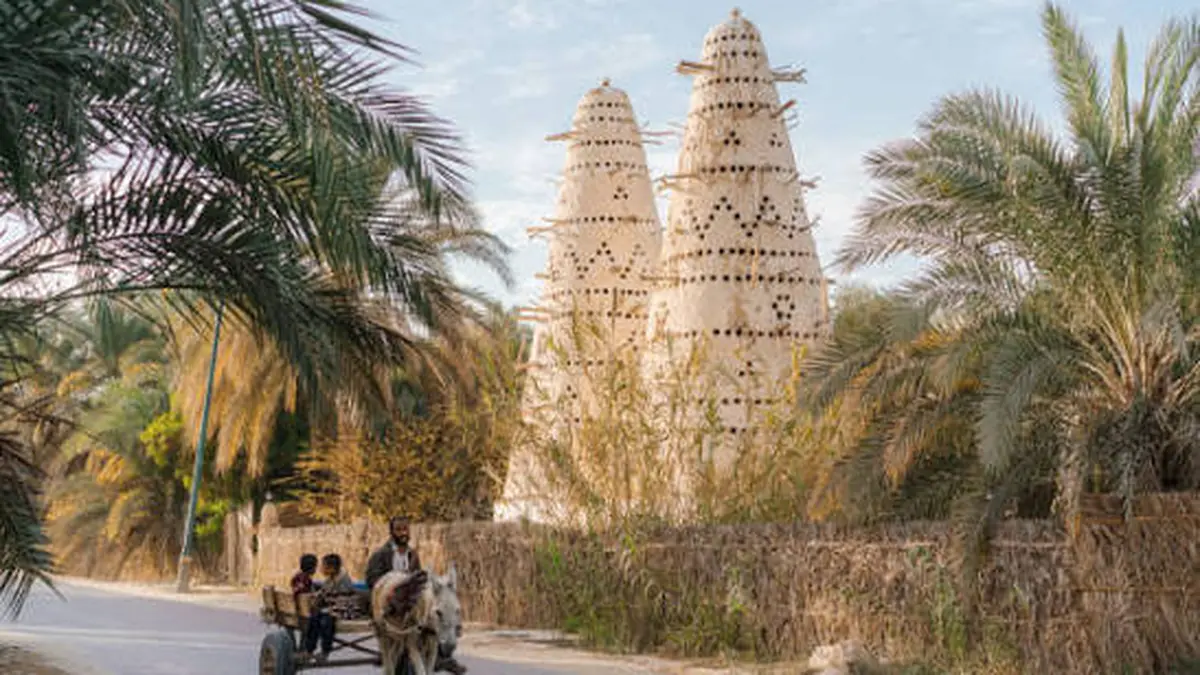
Siwans are Amazigh, not Arab, and their first language, Siwi, is closely related to Moroccan Berber languages rather than Arabic. That cultural distinctiveness shows up everywhere: in local crafts, in traditional silver jewelry, and in building techniques using kershef that you won’t see elsewhere in Egypt.
Food follows the oasis’s own rhythm. Dates and Siwan olive oil are local staples, and slow-cooked lamb dishes are common at guesthouses. If you get the chance to share tea in an Amazigh home, take it — hospitality here is genuine, not performative for tourists.
Practical Tips — Checkpoints, Cash, Connectivity, Safety
- Checkpoints: because of the Libyan border, expect several military checkpoints between Cairo/Alexandria and Siwa, plus permit requirements for desert excursions into the Great Sand Sea.
- Cash: ATMs are limited. Bring enough cash for your whole stay — most hotels, restaurants, and tour operators don’t take cards.
- Connectivity: Wi-Fi is patchy at best. Don’t plan on getting serious remote work done.
- Guides: it’s possible to explore the town independently, but never head into the desert without a licensed local guide.
- Alcohol: avoid traveling with it; local customs and checkpoints don’t look kindly on it.
- Travel status: the region occasionally appears on temporary government restriction lists due to its proximity to Libya. This is usually short-lived, but it’s worth checking current advisories before you book.
A Sample 3-Day Siwa Egypt Itinerary
- Day 1: Arrive, settle into a downtown Siwa guesthouse, climb Shali Fortress at sunset.
- Day 2: Morning at the Temple of the Oracle and Mountain of the Dead; afternoon swim in the salt lakes; evening at Fatnas Island for sunset.
- Day 3: Full-day Great Sand Sea safari with sandboarding and a stop at Bir Wahed’s hot and cold springs, guide and permit arranged in advance.
Add a fourth day if you want to slow down further — most travelers who visit once wish they’d budgeted more time here, not less.
Final Thoughts
Siwa isn’t a convenient add-on to a Nile-focused Egypt trip — it’s a deliberate detour that takes planning, patience, and a long drive. But between the salt lakes, the Oracle’s ruins, and a culture that feels genuinely distinct from the rest of the country, it’s one of the few places in Egypt that still feels undiscovered. If you’ve already done Cairo and Luxor, Siwa is where Egypt surprises you again.
Ready to plan your route? Compare bus, car, and flight-transfer options above, book your Siwa guesthouse in advance during peak season (October–April), and arrange your desert guide before you arrive.
Find more trip-planning inspiration in our library of travel guides.
FAQ SECTION
Is Siwa Oasis worth visiting?
Yes — most travelers rate it among Egypt’s most memorable stops. It offers salt lakes, ancient ruins, and Amazigh culture you won’t find along the Nile, though it requires a long journey to reach.
How do you get to Siwa from Cairo?
By direct night bus (10–13 hours), private car (8–9 hours), or by flying to Marsa Matrouh and continuing 4 hours by road. Breaking the trip up in Alexandria is a popular option.
Is Siwa safe to visit?
Generally yes, though its proximity to Libya means military checkpoints and occasional temporary travel restrictions. Always travel with a licensed guide for desert excursions and check current advisories before booking.
How many days do you need in Siwa?
Most guides recommend 3–4 days: enough time for the main historical sites, the salt lakes, and at least one Great Sand Sea excursion.
What language do people speak in Siwa?
Siwi, an Amazigh (Berber) language related to Moroccan Berber dialects, is the local first language, alongside Arabic.
Can you swim in Siwa’s salt lakes?
Yes — the water is dense enough to float effortlessly, similar to the Dead Sea. Smaller pools can have sharp salt crystals, so wear water shoes if you have them.
Is there an airport near Siwa?
Not in Siwa itself. The nearest airport is in Marsa Matrouh, roughly 4 hours away by road.
What is Siwa Oasis famous for?
The Temple of the Oracle, where Alexander the Great was declared a pharaoh in 331 BC; the mud-brick Shali Fortress; and its turquoise salt lakes.