If you’ve found a flight to Hat Yai for July and you’re now nervously googling “Koh Lipe monsoon season,” you’re not overreacting. This tiny island’s ferries genuinely do stop running some days, and the difference between a great low-season trip and a stranded, soggy one usually comes down to which weeks you pick.
Koh Lipe’s monsoon season runs from May through October, driven by the southwest monsoon winds that bring rough seas and daily rain showers. Rainfall peaks in September, ferry schedules shrink, and the Tarutao National Marine Park closes to boat tours from mid-May to mid-October — but the island never fully shuts down, and prices drop hard.
When Is Koh Lipe Monsoon Season?
Thailand’s Andaman coast runs on two seasons, not four. Ko Lipe is home to a tropical monsoon climate, so there are only two seasons: a wet one and a dry one, driven by changes in prevailing wind direction caused by temperature differences between sea and land.
The dry season stretches from November to April. The wet, or monsoon, season covers May to October — though exactly where sources draw the line varies by a few weeks depending on which shoulder month they’re counting.
Why the Southwest Monsoon Happens
The rainy season is characterized by frequent, heavy downpours and increased cloud cover, driven by southwest monsoon winds that significantly affect the island’s daily rhythm. Unlike some monsoon regions further north, Koh Lipe isn’t especially flood-prone. The island is generally shielded from the region’s dominant wind patterns, which keeps flooding risk low even though annual precipitation totals around 2,345mm.
What that means in practice: rain arrives in bursts, not endless grey days. Long periods of rain are uncommon at any time of year on Koh Lipe, and heavy showers are usually brief with plenty of sunny intervals in between.
Quick takeaway: Monsoon season = May to October. It’s wetter and rougher, not necessarily miserable — and it’s the cheapest, quietest time to be on the island.
Month-by-Month Weather Breakdown
Averages hide a lot. Here’s how the wet season actually plays out month by month.
| Month | Conditions | Rainfall/Sea State | Crowds & Prices |
|---|---|---|---|
| May | Rain begins, still mild | Light, occasional | Low, cheap |
| June | Hot, humid, mostly evening showers | Moderate | Very low |
| July | Warm, frequent afternoon/evening rain | Moderate–heavy | Very low |
| August | Rainy but manageable | Heavy at times | Lowest of the year |
| September | Rainiest month | Heaviest | Lowest, many closures |
| October | Rain tapering off | Still heavy early, easing late | Starting to pick back up |
May–June: The Gentle Start
May marks the start of low season and is actually a good time to visit — rooms are cheaper and it rains less than later in the low season. Throughout June, the weather is hot, humid and rainy, but most rain is limited to the evening, with rare full days of washout, and accommodation is often heavily discounted due to thin crowds.
July–August: Warm, Wet, Quiet
July is a warm and rainy month with common afternoon and evening showers, though it’s still easy to enjoy the island if you tolerate some limited rain in the latter half of the day; August is similarly rainy but extremely affordable thanks to minimal visitor numbers.
September–October: Peak Rainfall
This is the stretch every competitor guide flags — for good reason. September is the rainiest month on Koh Lipe, averaging around 339mm of rain, with the wet season peaking toward the end of the month and frequent thunderstorms through mid-to-late September. By comparison, average rainfall in October runs around 344mm versus just 47mm in February, the driest month of the year.
October is the tail end. October usually opens with intense rain that gradually decreases as the month goes on, nearly ending by month’s close, with an average temperature around 29°C.
How the Monsoon Affects Getting to Koh Lipe
There’s no airport on Koh Lipe. Every visitor arrives by boat, which is exactly why monsoon timing matters more here than on islands with flight access.
Ferry Routes That Slow Down or Stop
The high season, running November to April, sees the most frequent ferry services, with multiple daily departures from popular ports; ferry schedules can be affected by weather, particularly during the low season. Pak Bara Pier on the mainland is the one constant. During low season, Pak Bara remains the only port open for boat travel to the island, with a single boat departing around 11:30 local time.
Routes from other islands thin out fastest. Ferries from Langkawi typically operate October to June, coinciding with high season, on a roughly 1.5-hour international crossing that requires passing through immigration. Cross-reference that with pricing: a Pak Bara–Koh Lipe ticket runs roughly 600–800 THB, Langkawi–Koh Lipe around 1,200–1,500 THB, and Phuket–Koh Lipe 1,500–2,500 THB including island stops.
Cancellations cluster at the worst of the season. Boat cancellations are more common from August through October, so if your trip falls in that window, build in slack.
The Langkawi Work-Around
If you’re coming from Malaysia in low season, direct boats often vanish entirely. Due to rough seas and limited immigration services on the island, direct ferry routes from Langkawi are often unavailable during the June-to-October low season, meaning the journey requires multiple transfers and takes longer than usual — typically a ferry to Tammalang Pier, an overland leg to Pakbara, then a speedboat to the island, with the return trip sometimes requiring an overnight stop on the mainland.
Quick takeaway: Book Pak Bara–Lipe if you’re travelling in low season — it’s the one route that reliably runs. Anything from Langkawi in June–October should be treated as a multi-day logistics project, not a same-day hop.
What’s Open (and Closed) During Low Season
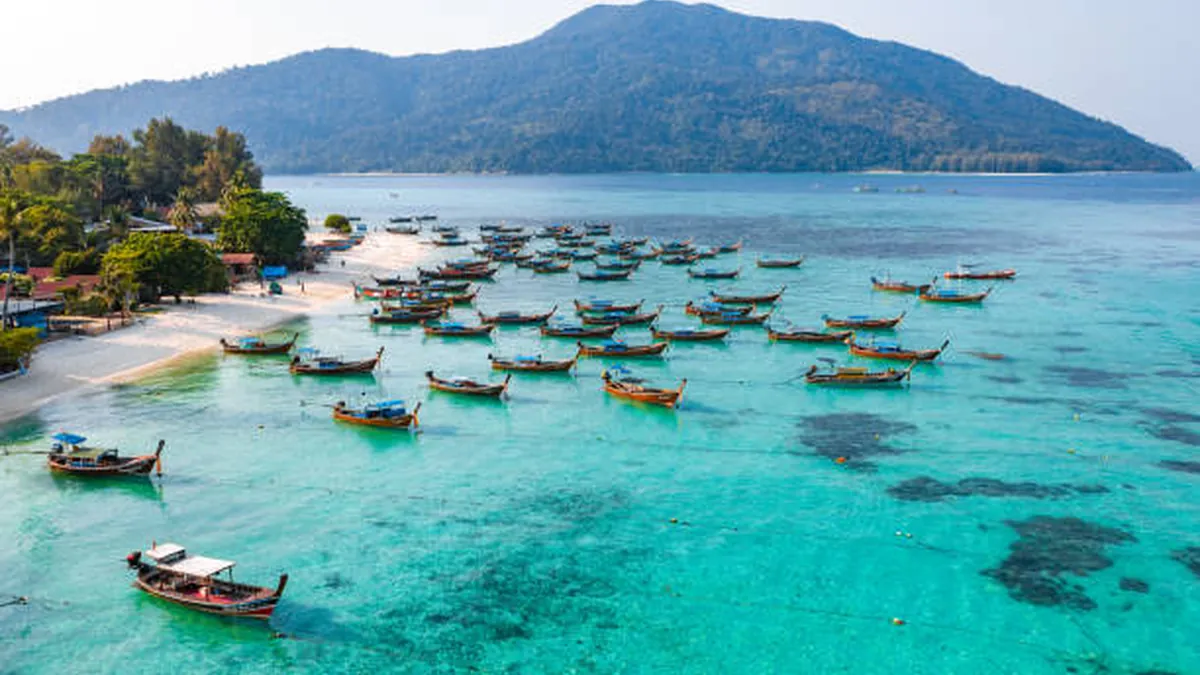
The island doesn’t hibernate, but a good chunk of it does. At least half the bars, restaurants, shops and tour companies close during low season, with hotels often using the downtime for repair work and construction. While the majority of businesses shut down during the rainy season, a few remain open, and the island’s three beaches sit nearly empty of the crowds that fill them in high season.
Diving and island-hopping take the biggest hit. The Tarutao National Marine Park closes entirely from May 15th to October 15th, meaning group tours to the surrounding seven islands and other national park sites simply aren’t running during that window.
Should You Visit Koh Lipe During Monsoon Season?
The Case For Going
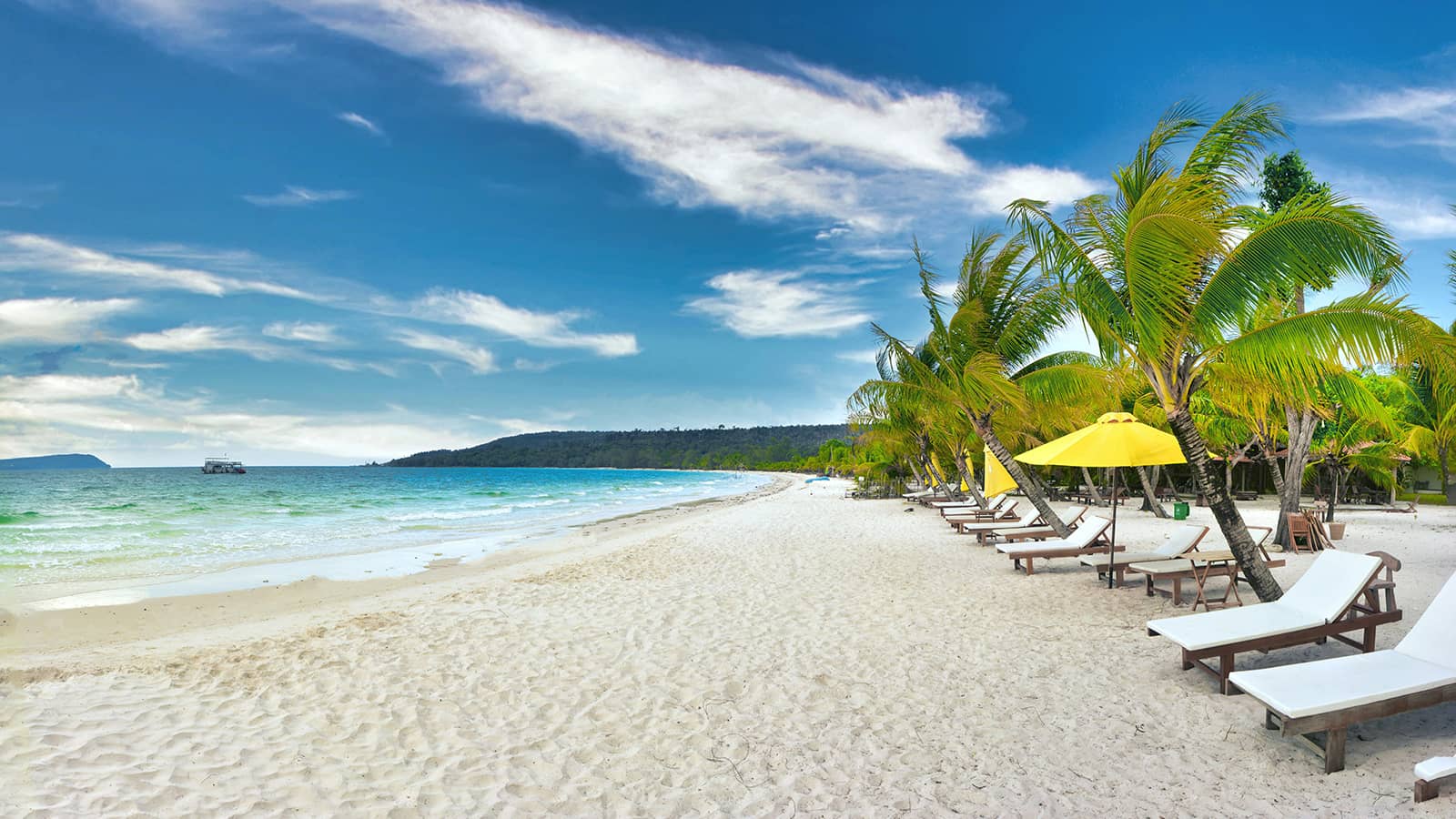
Money and solitude, mostly. During low season the beaches are practically empty, restaurants uncrowded, and motorcycle taxis are easy to flag down anywhere on the island. Low season also brings the most peaceful, budget-friendly version of the island, with fewer tourists and a genuinely relaxed atmosphere — accommodation often runs at half the high-season rate.
The Case For Waiting
Reduced diving visibility and rougher crossings top the list. Increased rainfall during the wet season reduces water visibility, making snorkeling and diving less rewarding, while choppy seas can disrupt boat services and travel plans. One traveler’s account captures the risk bluntly: clear skies and calm water greeted the crossing at Pak Bara Pier, but within fifteen minutes the boat ran into rain, wind, and rough seas so severe the passenger had to physically brace a child to keep her from being thrown around by the waves.
Quick takeaway: Go for low season if your priorities are budget and quiet. Wait for dry season if diving visibility and calm crossings matter more to you than saving money.
Packing & Practical Tips for Monsoon Travel
- Lightweight rain jacket and a dry bag for electronics — a lightweight rain jacket and waterproof bags for electronics are advisable specifically for the monsoon months.
- Waterproof pouch for your phone and passport during boat transfers
- Quick-dry clothing over cotton — it never fully dries in the humidity
- Comfortable sandals plus a spare pair — comfortable walking shoes are essential for exploring the island on foot, alongside sunscreen, a hat, and sunglasses.
- Motion sickness tablets if you’re prone to seasickness — rough crossings are common in low season
- Cash in Thai baht — card machines are unreliable island-wide, monsoon or not
- Buffer days on both ends of your trip in case of ferry delays or cancellations
Shoulder Season: The Smart Middle Ground
If the all-or-nothing choice feels too extreme, look at the edges. May and early November sit right at the seams of the two seasons, often delivering a workable mix of decent weather, lower prices, and thinner crowds than full high season. One returning visitor put it simply after splitting a week between sun and rain in late September: four days of brilliant sunshine were balanced against three days sheltering indoors between cosy bars and Thai massages — not a bad way to spend a rainy day at all.
Discover more destinations and planning tips in our travel guide library.
FAQ Section
Is Koh Lipe worth visiting during monsoon season?
Yes, if you value low prices and empty beaches over guaranteed sunshine and clear diving water. Expect afternoon rain showers, occasional rough ferry crossings, and about half the island’s businesses closed, especially July through September.
When exactly does Koh Lipe’s monsoon season start and end?
Monsoon season runs roughly May through October, with the southwest monsoon winds bringing daily rain and choppier seas. Dry season resumes in November and holds through April.
Which month has the most rain in Koh Lipe?
September is the rainiest, averaging around 339mm, with October close behind at roughly 344mm. Rain tapers off through October as the dry season approaches.
Do ferries still run to Koh Lipe during monsoon season?
Yes, but reduced. Pak Bara Pier stays open year-round with limited daily departures. Routes from Langkawi and Phuket often pause or reduce service, and cancellations cluster between August and October.
Is it safe to take a speedboat to Koh Lipe in low season?
Generally yes, but crossings can get rough with real swells, especially from Langkawi. Operators cancel when conditions are genuinely unsafe, so a scheduled departure means it’s considered manageable that day.
Can you go snorkeling or diving during Koh Lipe’s monsoon season?
It’s possible but not ideal — rain reduces water visibility, and the Tarutao National Marine Park closes to boat tours from mid-May to mid-October, which rules out most island-hopping trips.
What should I pack for a monsoon-season trip to Koh Lipe?
A lightweight rain jacket, a dry bag for electronics, quick-dry clothing, motion sickness tablets, cash in Thai baht, and buffer days in your itinerary in case of ferry delays.
Is May a good compromise month to visit Koh Lipe?
Yes. May sits at the very start of the wet season — rain is lighter than later months, prices are already dropping, and the worst of the rough seas hasn’t set in yet.